September 11, 2026
10 Best Wall Art Ideas to Inspire Your Home Office
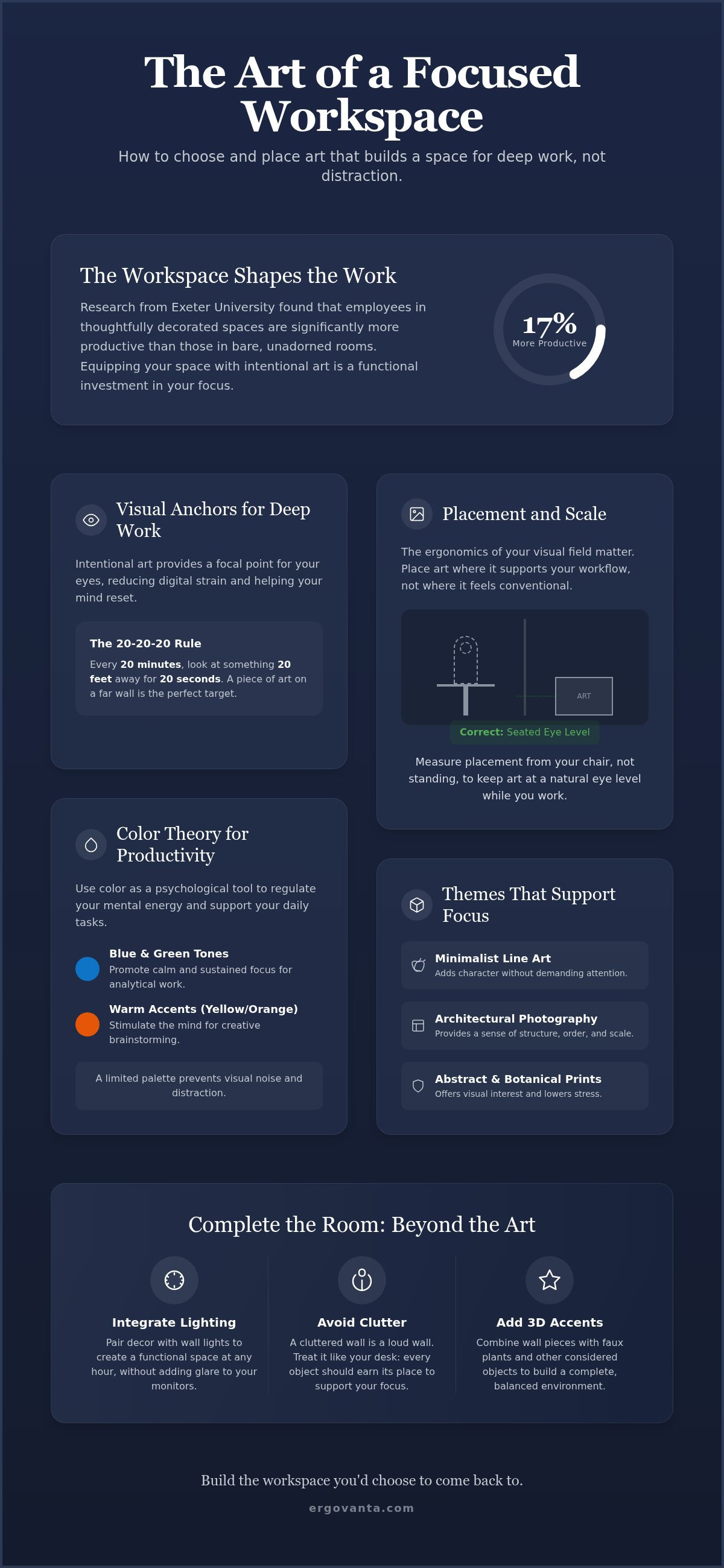
Research from Exeter University found that employees in spaces decorated with art and plants are up to 17% more productive than those in bare rooms. The workspace shapes the work. Equip it deliberately. Finding the best wall art for a home office is a critical step in making your space feel intentional rather than accidental.
You likely feel the difference between a room that is merely occupied and one that is truly built. We will show you how to choose and place art that grounds your space and supports your focus. By selecting pieces that are made for the work, you'll build a room you actually want to come back to every morning. It's about personal ownership of your environment and creating a considered space that reduces decision fatigue.
This guide previews ten specific ideas to help you equip your walls with purpose. You will learn how to pair visual pieces with functional lighting and 3D accents to create a balanced workspace that feels entirely yours.
Key Takeaways
- Treat your wall art as a visual anchor that provides a place for your eyes to rest during deep work.
- Find the best wall art for a home office by prioritizing blue and green tones that promote calm and mental clarity.
- Measure placement from your chair rather than standing to keep art at a natural eye level while you work.
- Pair your decor with wall lights and layered lighting to build a space that feels functional at any hour.
- Complete your environment by combining wall pieces with faux plants and considered accent objects.
The Workspace Shapes the Work: Why Intentional Art Matters
The workspace shapes the work. Equip it deliberately. Your environment isn't just a backdrop for video calls; it's the physical infrastructure for your focus. Finding the best wall art for a home office requires moving past the idea of "filling space." Every object on your wall should earn its place. When you build a room with intention, you reduce the mental friction that generic filler creates. A considered wall makes the room feel like a destination rather than a spare bedroom you've been forced into.
The Purpose of Visual Anchors
A visual anchor is a dedicated focal point for your eyes. In a workspace, this serves a functional purpose that goes beyond simple decoration. Digital eye strain is a constant reality for anyone spending serious hours at a desk. By following the 20-20-20 rule, you look at something 20 feet away for 20 seconds every 20 minutes. A piece of art placed strategically on a far wall provides that prescribed target.
It gives your mind a place to rest during deep work. Research into the Psychology of art suggests that visual environments directly impact cognitive performance and stress levels. Choose art that encourages this kind of distance looking. It should be a target that allows your eyes to adjust and your brain to reset before returning to the screen.
Intentional choices reduce mental clutter. When you avoid generic filler, your brain has fewer unnecessary signals to process. A wall that is built with purpose supports a steady flow state. It turns a room into a tool for the job. This is the difference between a room that feels like a generic spare bedroom and a workspace that is built for your specific needs.
Avoiding the Corporate Aesthetic
Reject the generic posters often found in corporate cubicles. Those pieces are designed to project a corporate identity, not your personal workflow. Your home office is your territory. It should reflect your own interests and curiosities. Avoid the "motivational" tropes that focus on status or power. Instead, look for pieces that feel ownership-anchored and personal.
Building a space you choose to come back to means selecting the best wall art for a home office that is made for the work. This involves choosing pieces that inspire focus rather than creating a distraction. A cluttered wall is a loud wall. To ensure your art supports your focus, pair it with considered lighting or minimalist decor. Good light ensures your art is visible and clear without creating distracting glare on your monitors. This approach moves your office away from the generic look and toward a personal sanctuary of productivity.
Select Art Made for the Work: Colors and Themes
Color choice isn't just about aesthetics. It is a psychological tool. The workspace shapes the work, so you must equip your walls with a palette that matches your workload. The best wall art for a home office uses color to regulate your mental energy throughout the day. When you select art made for the work, you turn a generic room into a sanctuary of productivity.
Color Theory for Productivity
Color choice impacts your mood. Use it to your advantage. Blue and green tones are proven catalysts for calm and sustained focus. These cool shades are ideal for analytical tasks and deep concentration. If your daily routine involves heavy data processing or long hours of coding, these colors help maintain a steady mental pace. They provide a visual cooling effect that prevents burnout during intense sessions.
Introduce warm accents like yellow or orange in creative brainstorming areas. These shades stimulate the mind and encourage lateral thinking. However, keep the overall palette considered and limited. A workspace with too many competing colors creates visual noise, which leads to distraction. A restricted palette ensures the room remains a place of clarity rather than chaos. Build your space around one or two primary tones to keep the environment grounded.
Themes that Support Focus
The theme of your art dictates the narrative of the room. Abstract art provides visual interest without being a narrative distraction. Because it lacks a specific story or literal subject, it allows the mind to wander briefly during breaks without getting lost in a complex scene. This makes it an excellent choice for those who need to maintain a high level of focus over long periods.
- Minimalist line art: Simple, clean, and unobtrusive. It adds character without demanding constant attention.
- Architectural photography: Provides structure and perspective. These pieces offer a sense of order and scale that can be very grounding.
- Botanical prints: Bring a sense of the outdoors inside. Nature photography or landscapes are known to lower stress levels, especially in high-pressure roles.
In 2026, warm earth tones like terracotta, rust, and sand are leading trends for creating a more lived-in, grounded atmosphere. These colors pair exceptionally well with minimalist decor and natural materials. If you are building a new workspace and need help choosing pieces that fit your specific layout, contact us for guidance on how to equip your office with purpose.
Placement and Scale: The Ergonomics of Your Visual Field
Placement is a matter of ergonomics. You should equip your walls for the view from your chair, not just the view from the door. When you choose the best wall art for a home office, the goal is to create a visual environment that supports your workflow. Scale the art to the wall. A small print on a large, empty wall feels accidental and unintentional. It creates a sense of imbalance that can be a subtle but constant distraction during deep work.
Consider your "Zoom background" as part of your professional infrastructure. For video calls, the camera typically frames a band of wall from about 40 to 75 inches off the floor. To ensure your art is visible and well-positioned, place it in the upper half of this band. Offset the pieces from your silhouette so they don't appear to be growing out of your head on screen. This considered approach makes your space feel built for the job.
Avoid glare by being intentional about light sources. Don't place glass-framed art directly opposite a window. The resulting reflections will turn your visual anchor into a source of digital eye strain. If you have a bright room, consider matte finishes or non-reflective glass to keep the focus on the work rather than the glare.
The Eye-Level Rule
The standard gallery rule is to hang art so the center is 57 to 60 inches from the floor. However, your home office is a seated environment. Adjust your placement slightly lower to account for your position at the desk. Research suggests that seated eye level is typically between 44 and 48 inches. Hanging your primary piece at this height ensures it is visible without straining your neck or forcing you to look up from your monitor. It's about how you feel in the space after eight hours of work.
Organizing a Gallery Wall
If you prefer a collection over a single large piece, start with a central hero piece and build outward. This provides a clear anchor for the eye. Maintain consistent spacing of 2 to 3 inches between frames to keep the arrangement organized and structured. Mix textures by combining framed prints with sculptural accent pieces. This adds physical depth to the room and moves away from a flat, generic aesthetic. A well-organized gallery wall should feel like a collection of objects that have earned their place over time.
Light Your Workspace: Integrating Wall Lights and Art
Art needs light to be seen. You've spent time finding the best wall art for a home office; don't let it disappear in the shadows. Equip your walls with intentional lighting. A well-lit piece of art does more than decorate. It defines the room's atmosphere and makes the space feel intentional. If you can't see the details of your prints after 5:00 PM, the environment isn't fully built.
Layer your light. A single overhead fixture is rarely enough for a considered workspace. Combine overheads, desk lamps, and wall-mounted fixtures to create visual depth. Using wall lights allows you to highlight specific pieces without adding clutter to your desk. This keeps your primary work surface clear for the tasks that matter. It's a functional choice that supports both aesthetics and ergonomics.
Adjustable lighting is a requirement for the best wall art for a home office. It allows you to shift the mood from a high-focus morning to a quiet evening wind-down. When the work is done, dimming the lights on your art turns the office from a production center into a personal sanctuary. The workspace shapes the work, but the light shapes the mood.
Highlighting Your Best Pieces
Place a wall light directly above or beside a focal art piece. This creates a gallery-style effect that makes the art feel permanent and considered. Choose warm light, specifically between 2700K and 3000K. This temperature makes colors feel natural and avoids the clinical look of high-kelvin bulbs. Avoid harsh shadows by using diffused lighting sources. This ensures the texture of the paper or the brushstrokes on the canvas are visible without being obscured by dark patches.
The Role of Desk Lamps
A desk lamp can cast secondary light onto a nearby wall. This is a subtle way to illuminate art when you don't have hardwired wall fixtures. Position the lamp carefully to reduce glare on framed glass. Light can also define different zones within the same room. One lamp might focus on your keyboard, while another highlights a botanical print in your reading corner. It's about building a room that functions in layers and feels entirely yours.
Complete the Room: Small Objects that Earn Their Place
Walls provide the foundation; the rest of the room provides the context. The best wall art for a home office does not work in a vacuum. It requires a supporting cast of physical objects to feel grounded. To build a cohesive environment, you must look at how your frames interact with the items on your desk and shelves. A room that feels entirely yours is one where every item has earned its place through intentionality and function.
Pair your wall art with faux plants to achieve a balanced, organic look. While a framed print provides a visual anchor, greenery adds texture and breaks up the hard lines of your monitor and desk. This combination prevents the room from feeling like a sterile corporate environment. The goal is to build a workspace that feels lived-in but organized. It should be a room that gets used every day, not a showcase for guests.
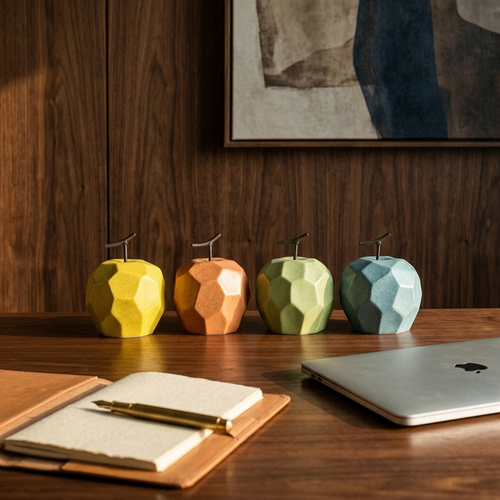
Your desk accessories should be as considered as the art on your walls. If you have chosen minimalist line art, your desk should follow that same logic. A cluttered surface undermines the clarity your wall art is designed to provide. Equip your space with objects that support your workflow and reflect your personal curiosities. When the physical and visual elements of a room align, the mental friction of starting your workday disappears.
Beyond the Frame
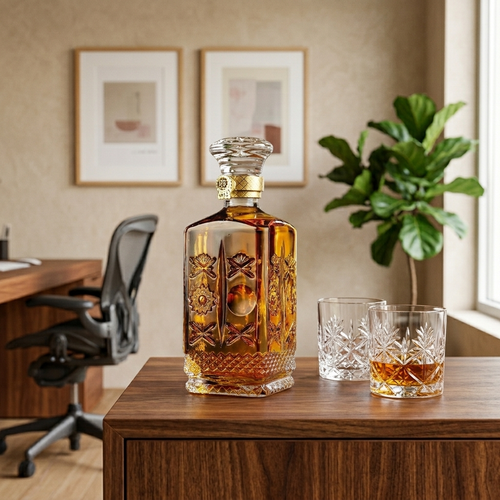
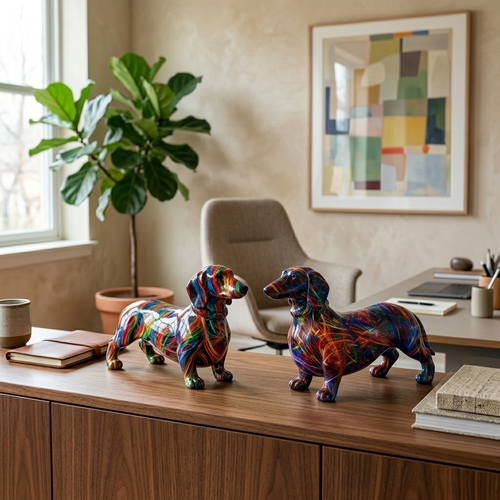
Walls are for personality; surfaces are for the work. Use floating shelves to display 3D objects alongside your flat art. Incorporating decor such as figurines or vases adds depth and variety to your visual field. These small objects serve as tactile anchors. They offer a physical counterpoint to the digital world on your screen. Keep your primary desk surface clear for the tasks that matter, moving your personal items to the walls and shelves where they can be seen but not felt.
A Space for the People Who Do the Work
Perform a final check of your environment. Does this room help you do your best work? Finding the best wall art for a home office is a process of trial and error. Edit your space ruthlessly. If a piece of art or a desk accessory no longer supports your focus, remove it. A workspace is a living tool that should evolve with your needs. Equip your space for the long haul by choosing quality materials and timeless themes over temporary trends. Build the workspace you would choose to come back to every single morning. It belongs to you, so make sure it feels that way.
Equip Your Space for the Work Ahead
The workspace shapes the work. Equip it deliberately. You have seen that the best wall art for a home office is more than a backdrop; it is a visual anchor that supports your focus and prevents digital eye strain. By layering intentional lighting with considered decor, you build a room that feels personal and functional. Every piece should earn its place in the environment where you do your best work.
At Ergovanta, we value purposeful function in every design. We curate our collection for the people who do the work, offering national shipping across the US to help you build a space you actually want to come back to. Your office isn't just a room; it's the physical infrastructure of your output. Equip it with objects that reflect your own curiosities and support your daily ritual.
Take ownership of your environment today. When your space is built with purpose, the work follows naturally.
Frequently Asked Questions
What is the best type of art for a home office?
The best wall art for a home office is any piece that supports focus and provides a mental reset. Minimalist line art and botanical prints are excellent choices because they offer visual interest without a complex narrative distraction. Choose art that feels ownership-anchored and reflects your personal curiosities. It should earn its place by providing a target for your eyes during breaks, helping you return to your work with clarity.
How high should I hang art in my office?
You should hang art so the center is at your seated eye level, which is typically between 44 and 48 inches from the floor. Standard gallery rules suggest 57 to 60 inches for standing viewers, but your office is a seated environment. Equip your space deliberately by adjusting the height so the piece is visible without neck strain. This considered placement allows you to enjoy the visual anchor while working at your desk.
Can I use a gallery wall in a small home office?
A gallery wall works well in a small office if you maintain strict organization and consistent spacing. Start with one central piece and build outward, keeping two to three inches between frames. Mix in sculptural accent pieces or small figurines to add depth without overwhelming the limited wall space. This approach makes the room feel built and intentional rather than cluttered. It turns a small wall into a functional collection for the work.
Should I put art behind my desk or in front of it?
Place art where it serves your primary need: in front of you for a visual reset or behind you for a professional background. Art on the wall you face provides a target for the 20-20-20 rule, reducing digital eye strain. Art behind your desk helps build a considered environment for video calls. Ideally, you should equip both areas to create a complete, balanced room that feels like a destination rather than a spare bedroom.
How do I choose art that doesn't distract me while I work?
To avoid distraction, choose abstract art or minimalist themes that lack a demanding narrative. Pieces with a restricted color palette and simple lines provide interest without forcing your brain to process a complex story. The best wall art for a home office acts as a quiet companion to your workflow. Avoid pieces with high-contrast patterns or text that might pull your focus away from deep work. Focus on calming, grounded imagery.
What colors of wall art are best for productivity?
Cool tones like blue and green are best for analytical tasks and sustained concentration. These shades promote calm and clarity during long work sessions. If your job requires creative brainstorming, introduce warm accents like terracotta or ochre to stimulate the mind. Keep the overall palette limited to avoid visual noise. A considered color choice helps regulate your mental energy and makes your space feel made for the work. It is about intentionality.
Is it better to have one large piece of art or several small ones?
One large piece provides a clean focal point and reduces visual clutter, which is often better for high-focus environments. It creates a sense of scale and order on a large wall. Several small pieces allow for more variety and personal expression but require careful organization to avoid feeling messy. Scale the art to the wall size; if the piece is too small, it feels unintentional. Choose the option that best supports your mental clarity.
How do I light my home office wall art?
Light your art by layering your light sources to create depth and eliminate harsh shadows. Use dedicated wall lights to highlight specific focal pieces without adding clutter to your desk. Position your desk lamp to provide secondary illumination, but ensure it doesn't create glare on framed glass. Aim for warm light temperatures between 2700K and 3000K to keep colors looking natural. This approach ensures your art is visible and clear during late-night work sessions.
Disclaimer
Ergovanta publishes these guides to help people set up better workspaces. Product recommendations reflect what we sell. Specifications, prices and availability are accurate at the time of writing and may change. Nothing here is medical, ergonomic or professional advice; if you have a specific health concern about your workstation, speak to a qualified professional.
From the catalog