September 13, 2026
Best Lighting for Reception Areas: A Professional Guide
Most reception areas are lit for security cameras, not for the people who actually use them. You've likely felt the disconnect: harsh overhead lights that feel cold and corporate, or a desk so dim the person working there struggles to see the tasks in front of them. It is frustrating when the first room a visitor sees feels like an afterthought rather than a considered environment. The workspace shapes the work. Equip it deliberately.
Finding the best lighting for a reception area isn't about chasing status or buying expensive fixtures. It's about intentionality and equipping a room that gets used. You can build a space that guides visitors naturally while supporting the actual work happening at the desk. By choosing objects that earn their place, you create an entryway that feels personal and functional.
This guide explains how to layer lighting using desk lamps, floor lamps, and wall lights to support every person in the room. We'll cover technical details like color temperature and mandatory 2026 energy controls to help you build a workspace you'd choose to come back to.
Key Takeaways
- Layer ambient, task, and accent light to build a room that guides visitors while supporting the actual work.
- Identify the best lighting for a reception area by choosing color temperatures between 2700K and 3000K for an intentional, warm atmosphere.
- Equip the desk with focused task lamps to prevent screen glare and physical strain for people working long hours.
- Select lighting and decor objects that earn their place to create a cohesive environment that feels like your space.
- Stay compliant with 2026 energy codes by integrating mandatory automated controls and occupancy sensors into your setup.
The Reception Area Sets the Tone: Why Intentional Lighting Matters
The workspace shapes the work. Equip it deliberately from the moment someone walks in. A reception area is a high-traffic functional zone, not just a holding pen for visitors. When you search for the best lighting for a reception area, you're balancing the needs of the visitor looking for direction and the person doing the work. Standard office lighting often treats humans like inventory in a warehouse; it is sterile, impersonal, and corporate cold. By choosing intentional, layered light, you define different zones within a single entryway without the need for physical barriers.
To better understand how lighting impacts the atmosphere of an entryway, watch this helpful video:
Intentional architectural lighting design prioritizes human needs. It uses light to create a sense of order and purpose. This approach helps visitors understand where to go without needing a map. It also ensures the environment feels personal rather than like a generic waiting room. When you build your space with the people who do the work in mind, the room becomes more than just a pass-through; it becomes a sanctuary of productivity.
Creating a Functional First Impression
Lighting should guide the eye toward the primary point of contact. If a visitor has to squint to see the person at the desk, the lighting has failed. Avoid harsh glares that make face-to-face interaction uncomfortable or feel like an interrogation. Focus on clarity and visibility rather than flashy, status-driven design. Using considered lighting makes the room legible and the interaction natural. It is about making the visitor feel seen and the staff feel supported.
The Room That Gets Used
Reception areas are rooms that get used hard. They require durable, reliable fixtures that earn their place. The atmosphere in this room affects the mood of everyone who enters, including the staff who spend serious hours there. You can build a space that feels personal through intentional object selection. Focus on workspace essentials that are made for the work. When you equip a room with tools that function well, it becomes a space you'd choose to come back to. Avoid the temptation to use decorative filler; choose objects that have a purpose.
Layering for Function: Ambient, Task, and Accent Light
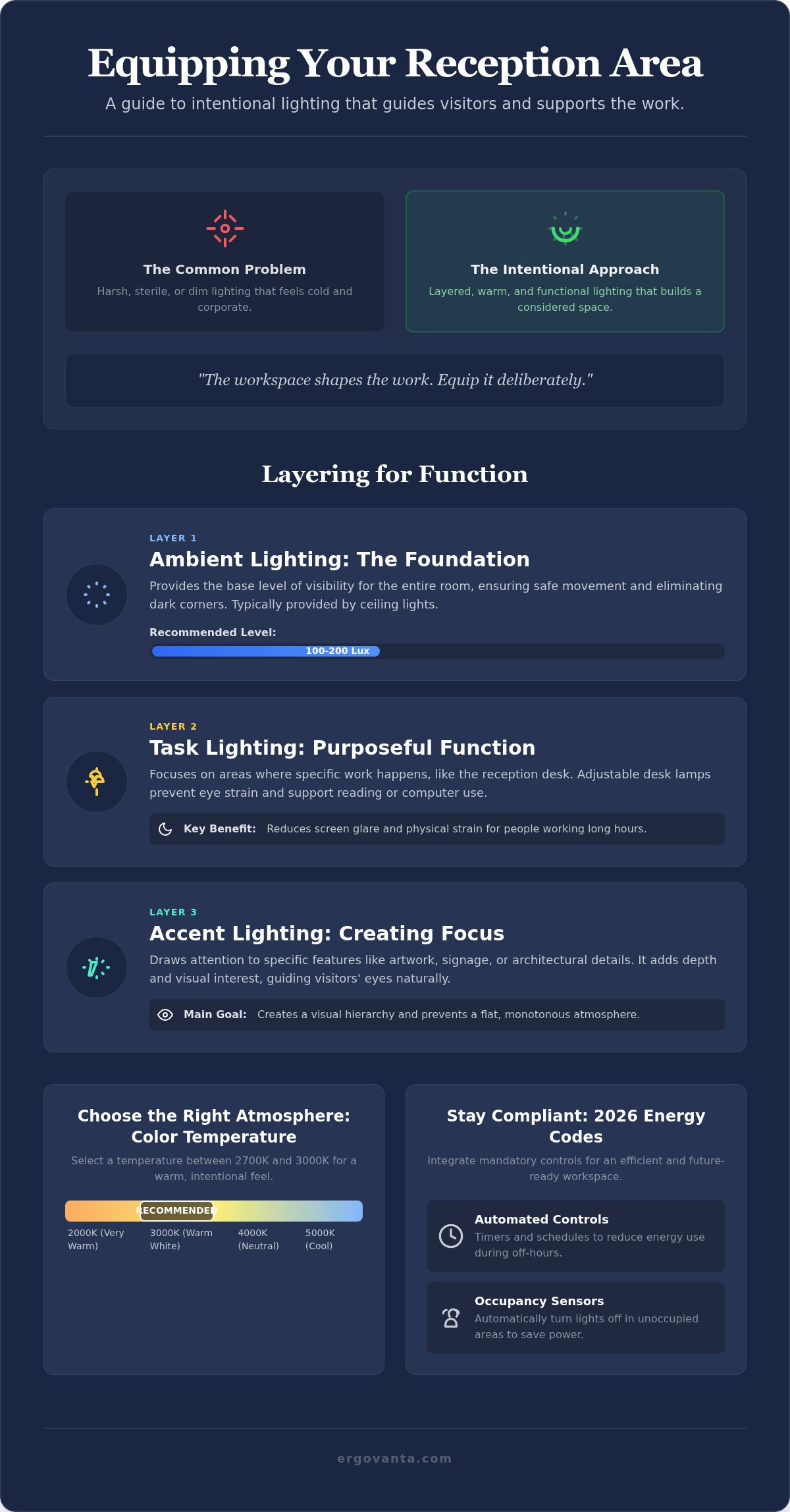
A flatly lit room feels like a hospital corridor. It lacks depth and fails to guide the eye. To achieve the best lighting for a reception area, you must treat the space as a series of functional layers. This approach prevents a clinical atmosphere while ensuring every square foot remains safe and usable. By layering light, you create a room that is both intentional and comfortable for the people who do the work.
The interaction between these layers is what makes a workspace feel considered. When you only rely on a single light source, the environment becomes monotonous. Layering allows you to control the mood and functionality of different zones simultaneously. It is the difference between a generic office and a workspace you'd choose to come back to.
Ambient Lighting: The Foundation
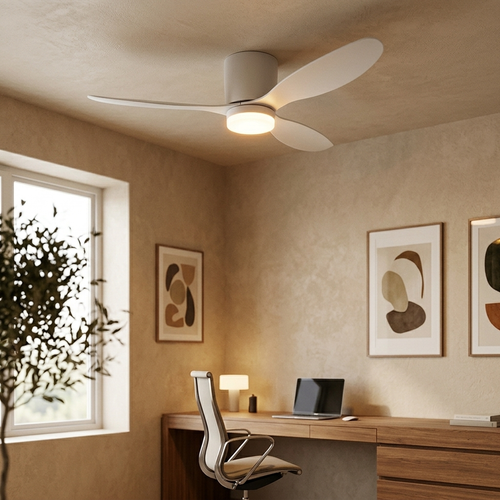
Ambient light provides the base level of visibility. Start with ceiling lights to provide a steady, even wash of illumination. According to the Illuminating Engineering Society (IES) RP-1-20 standard, general lobby and reception areas where tasks are transient should maintain 10 to 20 foot-candles (100 to 200 lux). This ensures safe movement for visitors and staff. Choose fixtures that distribute light broadly. Your goal is to eliminate dark corners without creating a sterile, over-bright environment.
Task Lighting: Purposeful Function
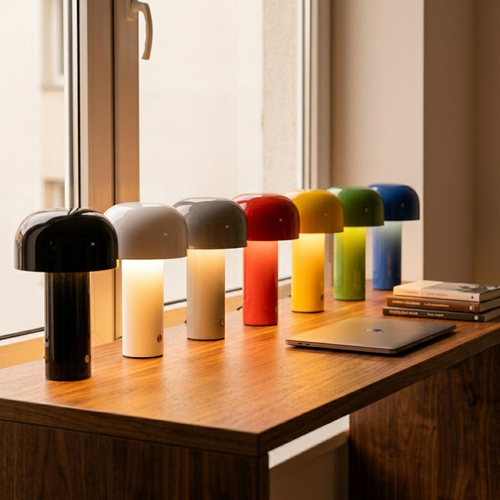
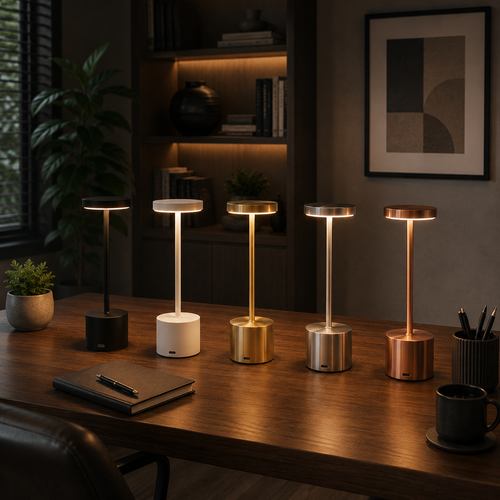
Task light focuses on the areas where the actual work happens. Equip the reception desk with desk lamps that offer adjustable brightness. This localized light is essential for reading documents, handling deliveries, or using sign-in kiosks. The person behind the desk spends serious hours in this space. Proper task lighting prevents eye strain and reduces the risk of headaches caused by poor visibility. Ensure the light is directed at the workspace to prevent it from spilling over into visitor seating areas and causing discomfort.
Accent Lighting: Defining the Space
Accent lighting adds character and defines the room's architecture. Use wall lights to highlight signage or specific objects that earn their place. Floor lamps are excellent tools for defining the edges of a seating area. They create a "room within a room" feeling that makes visitors feel more secure. For effective contrast, accent lights should be approximately three times brighter than the ambient base. This creates a visual hierarchy that makes the best lighting for a reception area feel personal and functional. If you're unsure how these layers fit into your specific floor plan, contact our team for guidance on building a space that works.
Equipping the Reception Desk for the Person Behind It
The best lighting for a reception area often focuses too much on the visitor and not enough on the person stationed there. The receptionist is the anchor of the entryway. They spend serious hours at this desk; the lighting must support their long-term health and focus. If the environment is poorly equipped, it leads to fatigue and frustration. You must build a workspace that feels intentional for the person behind the desk, rather than just a pass-through for visitors.
Choose lamps with a high Color Rendering Index (CRI). A high CRI makes reading easier by providing light that mimics natural daylight. This is essential for a desk that handles physical paperwork, ID verification, and package labels. When colors and text are clear, the brain doesn't have to work as hard to process information. It is a small detail that earns its place by making the work feel less taxing. Equip the desk with tools that are made for the work.
Ergonomic Lighting Placement
Position desk lamps to the side of the primary work area to minimize shadows across the desk surface. Using adjustable arms allows the user to direct light exactly where it is needed for specific tasks, such as signing a visitor log or checking a manifest. It is also important to consider how the light interacts with monitor arms and other tech accessories. A well-placed lamp should illuminate the surface without obstructing the view of the screens or creating physical clutter. The workspace shapes the work, so equip it deliberately.
Managing Screen Glare and Eye Strain
Workplace fatigue is often caused by screen reflections. Avoid placing light sources directly behind or in front of a monitor. This prevents screen glare, which is a leading cause of headaches and eye strain. Diffused light sources are much better for tech-heavy reception desks than exposed bulbs or harsh spotlights. It is about how the person feels after six hours at the desk. When you equip the space with soft, indirect light, the staff experiences greater comfort and visual clarity. This isn't about medical metrics; it is about building a room that gets used without causing physical drain.
Every object on the desk should earn its place. When you build a workspace with functional and considered tools, you create an environment that supports the work. Lighting is not just decor; it is a fundamental requirement for a workspace you'd choose to come back to. Focus on the small objects that make the day easier.
Practical Setup: Color Temperature and Placement Guide
Color temperature is more than a technical specification; it is the emotional baseline of your entry. Measured in Kelvins (K), it dictates whether a space feels like a laboratory or a considered workspace. For the best lighting for a reception area, you must balance the need for visitor comfort with the requirements of staff alertness. Consistency is the primary rule. Mixing vastly different color temperatures in the same line of sight creates a jarring visual experience that feels accidental rather than intentional. Equip your space with a unified palette to ensure the room feels cohesive.
Choosing the Right Kelvin Rating
Your choice of Kelvin rating should reflect the specific function of each zone within the reception area. Current design trends favor intentional warmth, moving away from sterile environments toward human-centric spaces. Consider these ranges for your setup:
- 2700K to 3000K (Warm White): Best for seating areas. It creates a welcoming, soft atmosphere that helps visitors feel at ease while they wait.
- 3500K to 4000K (Neutral White): Best for the reception desk. This range supports focus and mental alertness for the person doing the work.
A neutral 3500K is often the most effective compromise for a professional environment. It provides enough clarity for reading and tech tasks without making the room feel clinical. Avoid 5000K+ daylight bulbs; they are often too harsh for indoor reception zones and can cause significant eye strain over long periods. The goal is to build a space that feels personal and functional, not one that feels like a warehouse.
Smart Placement for Natural Flow
Placement should guide the visitor naturally through the room. Ensure the path from the entry door to the reception desk is the most brightly lit area. This creates an intuitive flow that requires no explanation. Place light sources at varying heights, including ceiling, wall, and table, to create visual depth and eliminate shadows. This layering prevents the room from looking flat and corporate. Use floor lamps to fill in dead spaces or corners where overhead light fails to reach. This makes the entire entryway feel like a room that gets used rather than a forgotten corner of the building. By 2026 standards, your placement must also work with mandatory automatic controls. Occupancy sensors now require a reduced time delay of 15 minutes, so position your fixtures to ensure sensors detect movement effectively across all seating and work zones.
Building Your Space with Considered Lighting and Decor
A reception area shouldn't feel like a waiting room in a generic office park. It should feel like your space. The workspace shapes the work, so equip it deliberately from the moment someone walks in. Achieving the best lighting for a reception area requires looking beyond the lamps themselves to see how they interact with the furniture and tools around them. You aren't just buying fixtures; you're building an environment where work happens. When you move away from corporate templates and focus on personal ownership, the room starts to feel human. It becomes a place you’d choose to come back to.
Avoid the temptation to over-decorate with filler. A cluttered entryway is a distracted entryway. Instead, focus on the etymology of Ergovanta: ergon, or purposeful function. Every figurine, vase, or light fixture should earn its place. If an object doesn't support the work or the person doing it, it doesn't belong in the room. Build a space that is personal and functional, emphasizing that your office shouldn't feel like everyone else's. When you choose objects with intentionality, you create a room that get used and respected.
Selecting Fixtures That Earn Their Place
Choose materials that feel substantial and real. Metal, wood, and glass provide a tactile quality that corporate plastic cannot replicate. Minimalist designs often age better because they focus on function rather than ornament. They fit a wider variety of office styles as your business grows and your needs change. Prioritize quality construction over trendy shapes. A fixture that looks "of the moment" today may feel dated by 2027. Look for clean lines and honest materials that will continue to support the work for years. This is about equipping a room that gets used, not just one that looks good in a catalog.
Integrating Lighting with Other Essentials
Lighting is most effective when it works in tandem with your workspace essentials. Consider how light hits different textures in the room. A soft glow on a felt desk mat or a sharp highlight on a wood riser adds depth and visual interest. You can pair your lighting with faux plants to add a sense of life to the entryway without the burden of maintenance. These small objects earn their place by softening the hard edges of technology and making the space feel more considered. Equip your entryway to be a sanctuary of productivity that reflects your specific work. When every item is chosen with intentionality, the room becomes a source of influence and clarity.
Equip Your Entryway for Purposeful Function
The workspace shapes the work. Your reception area is the first point of contact for visitors and a primary workspace for your staff. By layering light effectively and prioritizing the health of the person behind the desk, you move beyond corporate templates. Choosing the best lighting for a reception area means selecting objects that earn their place through purposeful function and intentional design.
Focus on the balance between welcoming warmth in seating zones and task-oriented clarity at the desk. Ergovanta fixtures are designed specifically for the people who do the work. We provide a professional-grade catalog with national shipping across the US to help you build a space that feels like yours. You're not just decorating a room; you're equipping an environment that supports focus and clarity.
Build a room that gets used and respected.
Frequently Asked Questions
What is the best color temperature for a business reception area?
Use a neutral 3500K color temperature to achieve a professional balance. It provides enough clarity for the work without the sterile feel of higher Kelvin ratings. Warm white (2700K to 3000K) is best for seating areas where you want visitors to feel comfortable and welcomed. Neutral white (3500K to 4000K) supports focus at the reception desk. Consistency across these zones is vital to ensure the room feels intentional and cohesive.
How many lumens do I need for a small office entryway?
Aim for 10 to 20 foot-candles of maintained illuminance for general reception areas, as recommended by the IES. In a small entryway, this typically translates to about 30 to 40 lumens per square foot for the base layer of light. You can calculate the total lumens required by multiplying the room's square footage by this target. This provides the best lighting for a reception area by ensuring safe movement without over-lighting the space.
Should I use LED or halogen bulbs for my reception desk lamp?
Choose LED bulbs for your reception desk lamp. They are more efficient and last significantly longer than halogen alternatives. LEDs also produce very little heat, which is a major benefit for someone working in close proximity to the fixture for serious hours. Modern LED technology offers high Color Rendering Index (CRI) ratings, which makes reading documents and seeing screen details much easier for the person doing the work.
How do I stop overhead lights from reflecting on the reception computer screen?
Position the computer screen perpendicular to overhead light sources to minimize direct reflections. If ceiling lights are fixed, use a monitor light bar or a desk lamp with a diffused shade to provide localized light that doesn't bounce off the glass. You can also adjust the tilt of the monitor or use a monitor arm to find an angle that avoids glare. This reduces eye strain and the fatigue often caused by poorly considered light placement.
What is the difference between ambient and task lighting in an office?
Ambient lighting provides the base level of visibility for the entire room, ensuring visitors can navigate the space safely. Task lighting is focused on specific areas where work happens, such as the reception desk. While ambient light is often provided by ceiling fixtures, task light usually comes from desk lamps or adjustable wall lights. Balancing both layers prevents the room from feeling flat or clinical while supporting the specific functional needs of the staff.
Can I use floor lamps as the primary light source in a reception area?
Floor lamps are rarely sufficient as a primary light source in a commercial setting, but they are essential for layering. They work best as accent or secondary lighting to define seating areas and fill in dead spaces where overhead light doesn't reach. Use them to create a "room within a room" feeling in your entryway. This makes the space feel more like a considered environment and less like a generic corporate transit zone.
How high should wall lights be mounted in a professional entryway?
Mount wall lights approximately 60 to 66 inches from the floor to keep them near eye level. This height ensures the light is effective for illuminating signage or artwork without causing glare for people walking through the room. If the ceiling is exceptionally high, you might adjust this slightly, but the goal is to keep the light source integrated with the human scale of the entryway to maintain an intentional, personal feel.
Does the lighting in my reception area affect staff productivity?
Lighting directly impacts staff focus and physical health. Poorly lit workspaces cause eye strain, headaches, and general fatigue, which slows down the work. Providing high-quality task lighting at the reception desk helps the person stationed there stay alert and comfortable throughout their shift. When you equip a room with the best lighting for a reception area, you are investing in the long-term productivity and comfort of the people who do the work.
Disclaimer
Ergovanta publishes these guides to help people set up better workspaces. Product recommendations reflect what we sell. Specifications, prices and availability are accurate at the time of writing and may change. Nothing here is medical, ergonomic or professional advice; if you have a specific health concern about your workstation, speak to a qualified professional.
From the catalog