June 12, 2026
Desk Organization Accessories: A Guide to Building a Workspace That Works

The workspace shapes the work. Equip it deliberately. If you spend serious hours at a desk, the room around it matters more than you think. It's easy to let cables tangle and visual clutter pile up, but a messy surface often leads to a distracted process. Choosing the right desk organization accessories isn't about following a trend. It's about intentionality. You need tools that earn their place on your desk by supporting the way you actually move and think throughout the day.
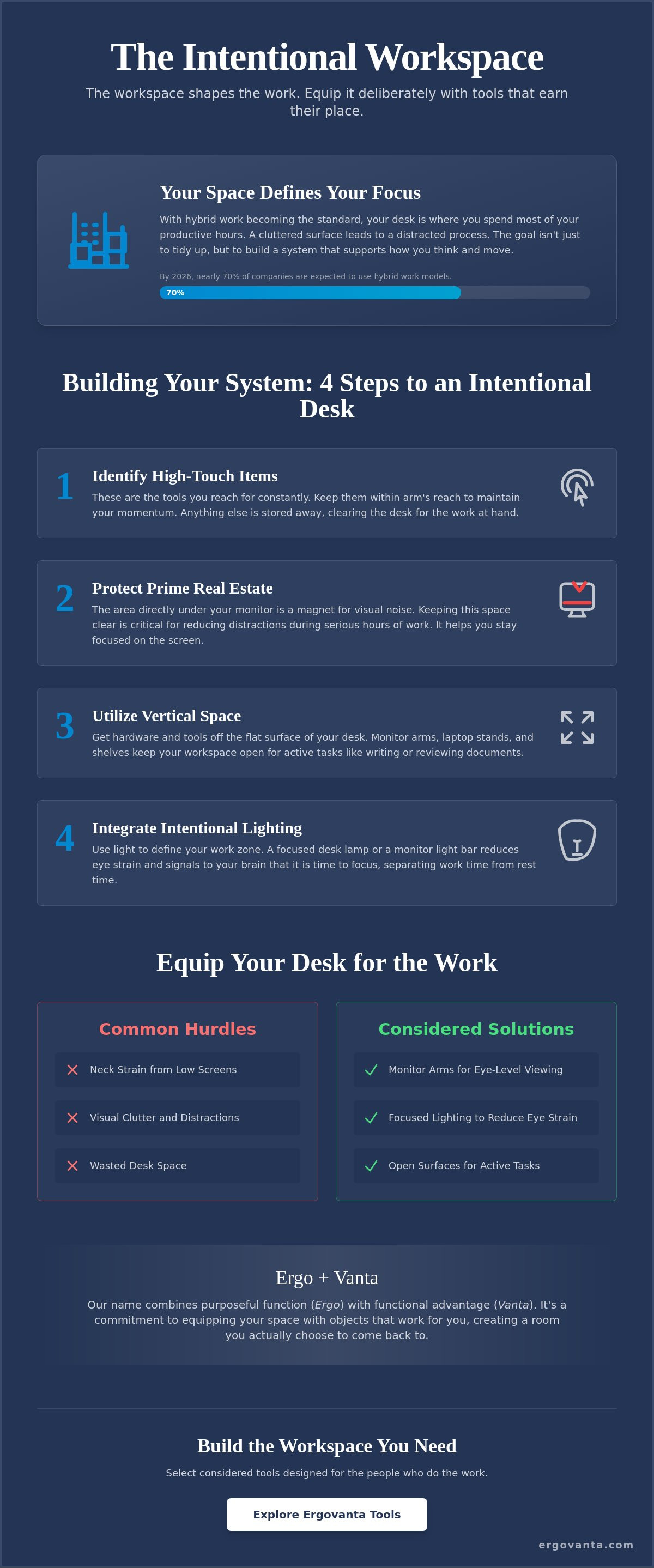
With nearly 70% of companies adopting hybrid work models by 2026, your setup is likely where you spend the majority of your productive hours. You probably agree that a workspace should be a tool, not a hurdle. This guide will show you how to build a workspace that works by selecting considered tools that solve common pains like neck strain and cable mess. We will preview how to equip your space with monitor arms, laptop stands, and lighting designed for the people who do the work. It's time to build a space you actually choose to come back to.
Key Takeaways
- Define your workspace by the work you actually do. Choose tools that support your specific workflow instead of just hiding the mess.
- Learn how to select desk organization accessories that earn their place by keeping high-touch items within reach and clearing visual noise.
- Protect the "prime real estate" directly under your monitor. Clearing this space helps reduce distractions during serious hours of work.
- Equip your desk with intentional tech and ergonomic supports. Monitor arms and lumbar pillows help you stay focused without the physical strain.
- Focus on ownership and function. Build a system of objects that work for you, creating a room you actually choose to come back to.
The Intentional Workspace: Why Desk Organization Accessories Matter for the Work
The workspace shapes the work. Equip it deliberately. Desk organization is more than just clearing a surface; it's the deliberate selection of desk organization accessories that support your specific workflow. When you spend serious hours at a desk, the physical room around you dictates your focus. A considered workspace is not about hiding your tools in a drawer. It is about making the right things accessible so you can stay in the flow without searching for what you need.
In a space where real estate is limited, every item must earn its place. We often think of office supplies as generic commodities, but the objects you choose to keep within arm's reach should be there for a reason. If an accessory doesn't actively help you do the work, it's just visual noise. By being intentional about your desk organization accessories, you build an environment that works for you instead of against you.
To better understand this concept, watch this helpful video:
Beyond Decluttering: The Psychology of a Considered Setup
Visual order isn't just for looks. It reduces the mental load during long sessions. When your space is cluttered, your brain spends energy processing the mess instead of the task at hand. Intentionality in your space leads to intentionality in your work. You don't need a performative mindset to be productive. You just need a prepared environment that gives you the quiet confidence to start. When the room is ready, the work follows.
Ergo and Vanta: Finding Your Functional Advantage
Our philosophy is built into our name. "Ergo" comes from the Ancient Greek for purposeful function in action, and "Vanta" is a coined word for advantage. A real advantage in your workspace comes from tools that work with you, not against you. This means choosing items that are made for the work you actually do. You can see how we apply this commitment to intentionality on the Ergovanta about us page. We believe your space should be a source of clarity, not frustration.
Building Your System: How to Choose Accessories That Get Used
A system is only as good as its daily utility. Building a workspace isn't about buying every gadget available; it's about how you move through your tasks. If you spend serious hours at your desk, your desk organization accessories should facilitate action instead of creating obstacles. A system that requires too much maintenance will eventually be abandoned. Instead, focus on a setup that supports your natural habits.
- Step 1: Identify high-touch items. These are the objects you reach for multiple times an hour. Keep them within an easy reach to maintain your momentum.
- Step 2: Clear the prime real estate. The area directly under your monitor is a magnet for clutter. Keeping this space open reduces visual noise and keeps your focus on the work.
- Step 3: Utilize vertical space. Get hardware and tools off the flat surface. This keeps the desk open for active tasks like writing or reviewing documents.
- Step 4: Integrate lighting. Use light to define your work zone. Proper illumination helps signal to your brain that it is time to focus.
Lighting and Vision: The Role of Desk Lamps and Monitor Bars
Lighting is a tool for focus. While overhead lights can be harsh, desk lamps provide the intentional, focused light needed for deep work. For those with limited space, monitor light bars are a smart alternative. They sit on top of your screen to save desk space while reducing eye strain. Using different lighting layers also helps your brain distinguish between work time and rest time. Use cooler light for tasks and warmer light for winding down.
Physical Comfort: Monitor Arms and Laptop Stands as Organizational Tools
Choosing the right monitor and laptop stands is the foundation of an organized desk. Lifting your screen does more than help your neck; it creates usable space beneath it for other essentials. When your hardware is mounted rather than sitting on the surface, the desk feels light and open. This setup allows you to focus on the task at hand without feeling crowded by your own equipment. If you have questions about which tools fit your specific workflow, you can always reach out to our team for guidance on building your space.
Equipping the Desk: Essential Tools for Serious Hours
Equipping your desk is about more than just aesthetics; it's about durability and function. If you spend serious hours at a desk, the tools you choose must be made for the work and built to last. You need desk organization accessories that support your specific workflow without becoming a distraction. Every object on your desk should earn its place by serving a clear purpose, whether it is managing your hardware or supporting your posture.
Comfort is a fundamental part of the process. Ergonomic supports like foot rests or lumbar pillows aren't just extras; they are what allow you to stay at the desk comfortably for the long haul. You shouldn't feel like you're fighting your chair or the floor beneath you. When you feel grounded in your space, your focus remains on the task at hand rather than on physical discomfort. Prioritize tools that encourage natural movement and keep you supported during the most intense parts of your day.
Technology and Device Management
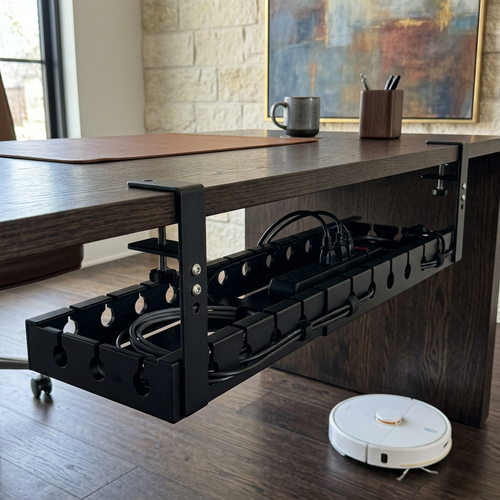
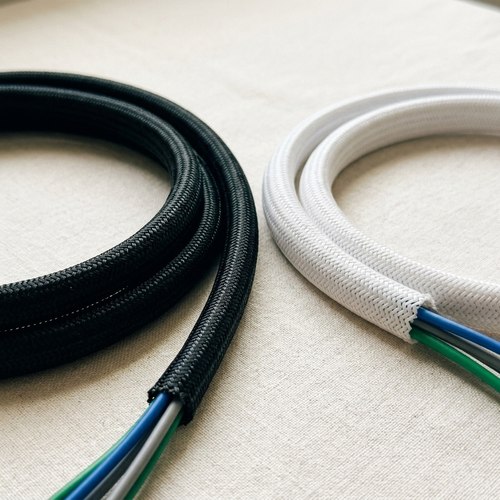
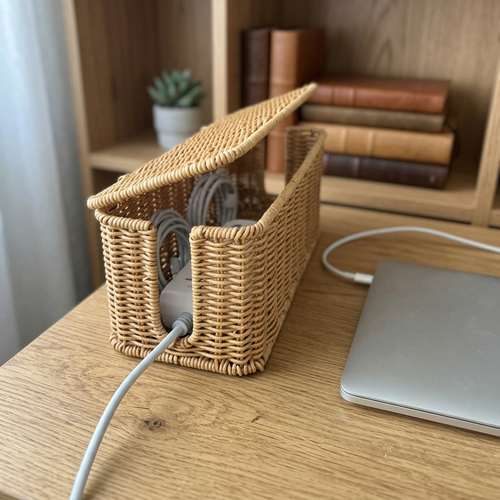
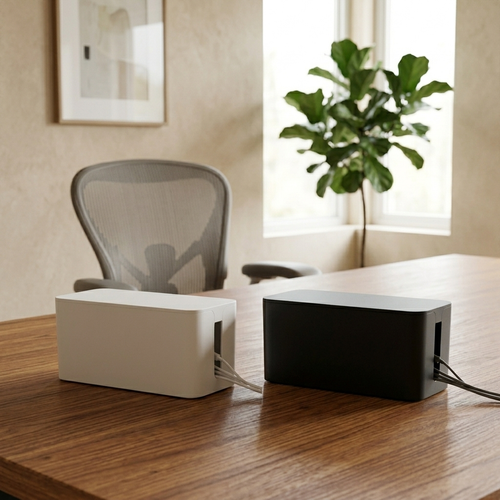
Tech creep is a common hurdle in a modern setup. Without a plan, chargers and cables can quickly migrate across your surface. Utilizing tech and device accessories like wireless chargers and headphone stands gives every gadget a dedicated home. Cable management is the invisible hero of a considered workspace. By organizing your desk organization accessories to manage power and connectivity, you remove the friction that often slows down a deep work session.
The Final Layer: Intentional Decor and Lighting
Once the functional tools are in place, add the layers that establish personal ownership. Faux plants or simple vases add a sense of life to the room without requiring maintenance or causing distraction. If your desk surface is already at capacity, look to the surrounding area for your lighting. Using wall lights or floor lamps allows you to illuminate the room effectively without sacrificing valuable real estate. These considered choices help you build the workspace you would choose to come back to. For the people who do the work, an intentional environment is the ultimate advantage.
Build a Space Worth Returning To
The workspace shapes the work. Equip it deliberately. By now, it's clear that building a system isn't about filling a drawer with gadgets. It's about intentionality. You've learned how to identify your high-touch items and clear the prime real estate under your monitor to reduce visual noise. Choosing the right desk organization accessories means finding tools that earn their place by supporting your specific workflow during those serious hours of work.
Ergovanta was founded in 2021 to support the people who do the work. We provide purpose-built ergonomic tools and a curated selection of lighting and workspace essentials that prioritize function over status. Your setup shouldn't just look clean; it should feel like a place where you can actually think. Take ownership of your environment and equip your space with our best sellers to start building a workspace that works for you. You do the work; now build the room that supports it.
Frequently Asked Questions
What are the most important desk organization accessories for a small workspace?
Focus on vertical space to keep the desk surface clear for active work. Monitor arms and laptop stands lift hardware off the table, creating usable space underneath for notebooks or phones. Monitor light bars also save space by replacing traditional lamps. These desk organization accessories allow you to build a functional system even when square footage is limited. It's about using the room you have efficiently.
How do I organize my desk cables without using permanent adhesives?
Weighted cable blocks and under-desk trays are the best non-permanent solutions for wire mess. These tools keep wires in place using gravity or tension instead of sticky glue that ruins finishes. This approach is ideal for anyone who likes to reconfigure their space or works from a rental. It keeps the invisible hero of cable management working for you without damaging the desk you choose to come back to.
Does desk organization actually improve productivity for WFH professionals?
Reducing visual friction directly supports focus during long work sessions by removing mental load. When every tool has a dedicated place, you spend less time searching and more time doing the work. An intentional environment creates a sense of quiet confidence, allowing you to move through tasks with fewer distractions. It isn't about status or looking busy; it's about equipping a room that actually gets used.
How often should I re-evaluate my desk organization setup?
Re-evaluate your setup every three months or whenever your primary workflow changes significantly. Your needs as a creator or freelancer evolve, and your tools should keep up with those shifts. If you find yourself reaching for an object that is always out of reach, it's time to move it. Regular adjustments ensure your desk organization accessories continue to earn their place on your surface and support your serious hours.
From the catalog