May 29, 2026
Desk Organization Ideas for Small Spaces: Build a Workspace That Works

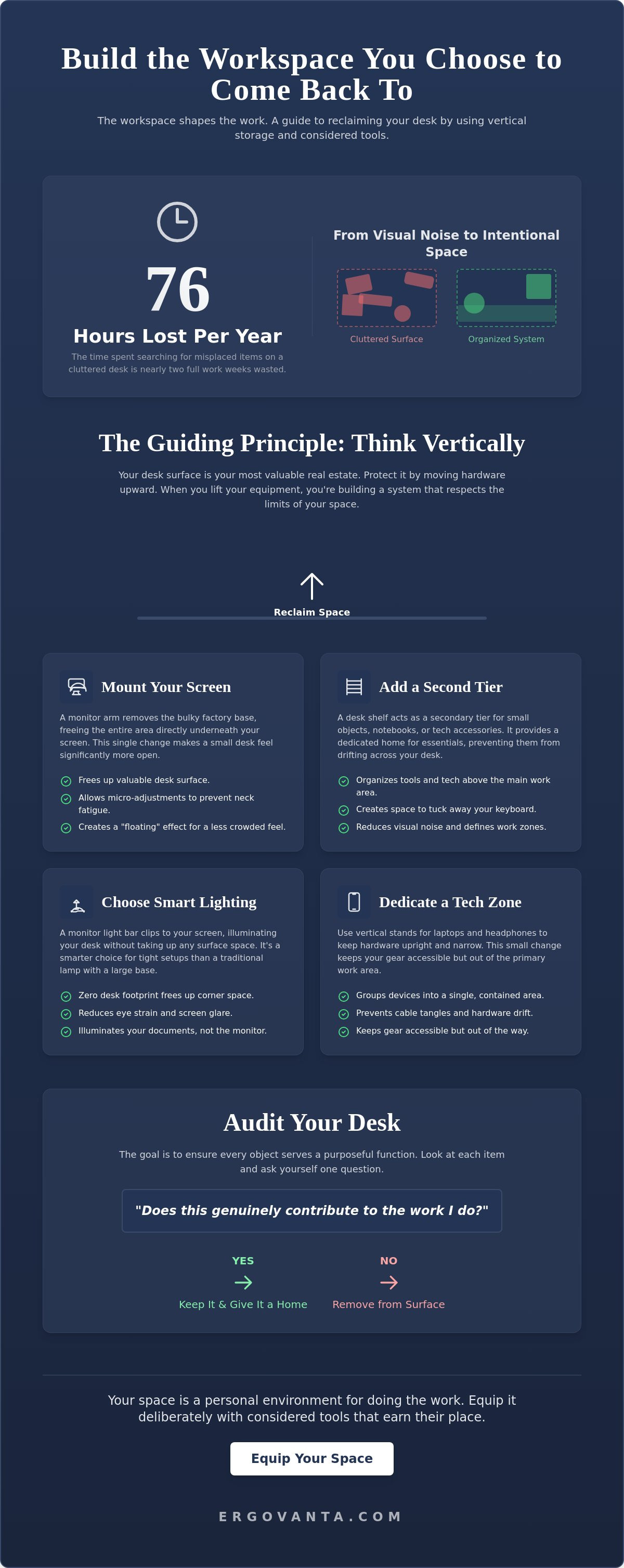
You lose 76 hours every year searching for misplaced items on your desk. That's nearly two full work weeks wasted because of clutter. If you spend serious hours at a desk, the room around it matters more than you think. It's difficult to focus when you're fighting for physical space between your hardware and your notes. We've all felt the strain of a poorly positioned screen or the visual noise of a crowded surface. You need desk organization ideas for small spaces that move beyond just tidying up.
The workspace shapes the work. Equip it deliberately. You deserve a clear, intentional surface that allows you to think. We'll show you how to build a workspace that feels personal and ready for the day by using vertical storage and considered tools. You'll learn how to reclaim your desk by lifting your gear and choosing objects that earn their place. From monitor arms to intentional lighting, it's time to build the workspace you'd choose to come back to.
Key Takeaways
- Protect your desk surface by moving hardware upward. Use monitor arms and desk shelves to create secondary tiers for your tech accessories.
- Audit your current setup to ensure every object serves a purposeful function in action. Remove anything that does not contribute to the work.
- Implement effective desk organization ideas for small spaces by using a desk mat to define your primary work area and manage visual noise.
- Build a workspace that feels personal and functional. Equip your space only with considered tools that earn their place on your desk.
Reclaiming the Surface by Thinking Vertically
The desk surface is your most valuable real estate. Protect it by moving hardware upward. When you're working in a tight corner or a small room, every square inch counts. Clutter isn't just a mess; it's a distraction that competes for your attention. By shifting your focus from the horizontal to the vertical, you reclaim the area where the actual work happens. It's about intentionality. If an object doesn't need to be touched every ten minutes, it doesn't need to sit in your primary work zone.
Verticality reduces visual noise and creates a clear boundary for your active work area. A considered Desktop organizer or shelf system helps define these boundaries. Choose materials like solid wood that provide stability and a grounded feel to the room. You want a foundation that doesn't wobble when you're in the middle of a deep-focus session. When you lift your equipment, you aren't just cleaning; you're building a system that respects the limits of your space.
To better understand how to maximize a compact footprint, watch this helpful video:
The Desk Shelf as a Foundation
A well-placed shelf acts as a secondary tier for small objects like notebooks or tech accessories. It provides a dedicated home for essentials, preventing them from drifting across the desk throughout the day. When the work is done, a shelf allows you to tuck your keyboard away (this signals a clear end to your session). For the primary vertical tool in your space, consider exploring monitor and laptop stands that match your workflow.
Monitor Arms and Mounting
Mounting your screen removes the bulky factory base from your desk entirely. This single change is one of the most effective desk organization ideas for small spaces because it frees up the area directly underneath your monitor. It also allows for micro-adjustments to your eye level, which helps prevent chronic neck fatigue. This creates a floating effect that makes a small desk feel significantly more open. You aren't just saving space; you're equipping your environment to be more responsive to how you move.
Choosing Tools That Earn Their Place
The workspace shapes the work. Equip it deliberately. When you are looking for desk organization ideas for small spaces, the goal isn't just to buy more bins; it's to ensure every object on your desk serves a purposeful function in action. Start with an audit. Look at every item on your surface and ask if it genuinely contributes to the work you do. If it doesn't, it's just visual noise. Removing the non-essentials creates room for intentionality and focus. You want a desk that feels ready, not crowded.
Prioritize multi-functional tools that justify their footprint. A lamp that includes a wireless charger or a monitor light bar that takes up zero desk space are examples of gear made for the work. Choosing durable, considered items means you spend less time managing your stuff and more time using it. If you have questions about how to equip your specific setup, you can always reach out to us for guidance on building a space that works.
Functional Lighting and Monitor Light Bars
Traditional lamps often have large, heavy bases that consume valuable corner space. A monitor light bar is a smarter choice for tight setups. It clips directly to the top of your screen, illuminating your documents and keyboard without taking up any room on the desk. Beyond saving space, proper lighting is vital for focus. Reducing eye strain and glare is a fundamental component of proper office ergonomics, especially during late-night sessions.
Dedicated Tech Stations
Devices have a habit of drifting across the desk. Use vertical laptop stands or headphone stands to keep your gear upright and narrow. This small change keeps your hardware accessible but out of the way. Integrated tech accessories like wireless chargers also help by preventing cable tangles. By grouping your tech into a single zone, you prevent it from cluttering the entire surface. This is one of the most effective desk organization ideas for small spaces because it defines where the technology ends and your active workspace begins.
Building a Workspace You Choose to Come Back To
If you spend serious hours at a desk, the room around it matters more than you think. A workspace is a personal environment for doing the work. It shouldn't be a status symbol or a collection of objects that get in your way. When researching desk organization ideas for small spaces, people often forget that the goal is to build a room that actually gets used. Use a desk mat to define your primary work area. It acts as a visual anchor, keeping your mouse and keyboard in place while signaling to your brain exactly where the focus happens. By managing visual noise, you protect your ability to stay in the zone.
Adding life to a small room doesn't have to mean adding more chores. Considered faux plants provide the visual benefit of greenery without the maintenance. They earn their place by softening the hard edges of technology and making the space feel less like a utility closet and more like a room you'd choose to come back to. These are the small details that make a space feel finished and intentional.
Managing the Visual Noise
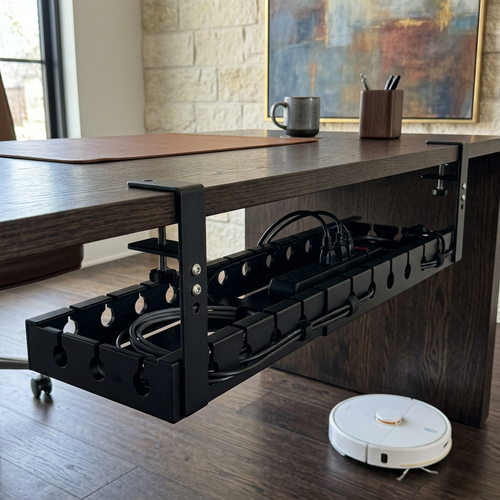
Clutter is often just a collection of unfinished decisions. Use cable management trays to hide the wire nest that inevitably grows behind a small desk. Instead of five small trinkets, choose a single, well-considered decor piece that adds character without consuming the surface. Keep your workspace intentional by clearing the surface at the end of every day. This simple ownership-anchored habit ensures you start the next morning with a clean slate.
The Ergonomic Advantage
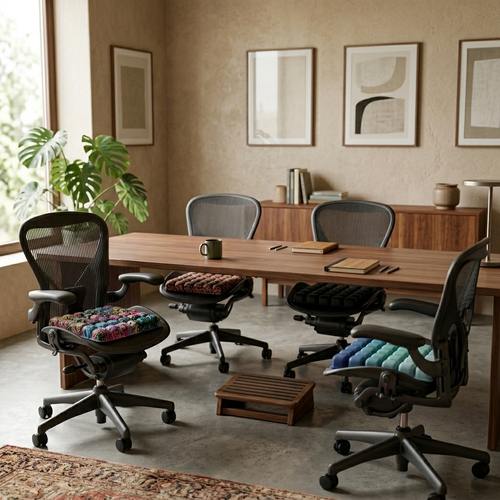
Ergonomics isn't about clinical jargon; it's about how you actually feel after four hours at your desk. In a compact setup, small additions carry more weight. A footrest or lumbar support can make a small desk feel like a professional hub rather than a temporary fix. Explore ergonomics and comfort tools that fit into tight corners. These are the small objects that earn their place by supporting your body while you do the work.
Build a Space That Earns Its Keep
The workspace shapes the work. Equip it deliberately. By now, you've seen that reclaiming your surface isn't about clearing everything away; it's about moving hardware upward and choosing tools that earn their place. Whether you're lifting a screen with a monitor arm or defining your zone with a desk mat, every change should make the room feel more like yours. These desk organization ideas for small spaces work because they focus on intentionality rather than just buying more stuff. You don't need a sprawling office to be effective. You just need an environment that feels considered and ready for the day.
Ergovanta was founded in 2021 to support the people who do the work. We use durable materials like solid walnut and high-grade steel because we believe your equipment should be as resilient as your focus. Our design philosophy is anchored in functional design and purposeful function in action. It's time to stop fighting your furniture and start building a setup that actually supports your workflow. Equip your workspace with considered essentials and build the room you'd choose to come back to. Your work deserves a place that feels like yours.
Frequently Asked Questions
How do I organize a very small desk with no drawers?
You organize a drawerless desk by moving your storage to the vertical plane. Use a desk shelf to create a secondary tier for your notebooks and tech accessories, freeing up the primary surface for active work. Small objects like pens should live in a dedicated valet tray or a desk lamp with built-in storage. If an item does not earn its place on the surface, move it to a wall light with a ledge or a nearby floor lamp.
What are the best desk organization ideas for students in dorms?
The best desk organization ideas for students in dorms focus on multi-functional tools that justify their footprint. Use a monitor light bar instead of a traditional lamp to reclaim corner space. Since dorm desks are often cramped, a vertical laptop stand keeps your machine out of the way when you are using a notebook. Equip your space with considered objects like a headphone stand or a wireless charger to prevent a cable nest from taking over.
Can a monitor arm work on a thin or small desk?
A monitor arm can work on a thin desk if you use a reinforcement plate to distribute the weight. Most high-grade steel arms offer a c-clamp mount that takes up less than three inches of surface space. This is one of the most effective desk organization ideas for small spaces because it removes the bulky monitor stand entirely. Ensure your desk material is solid enough to handle the tension, or choose a grommet mount for a stable foundation.
How can I hide cables on a desk that is in the middle of a room?
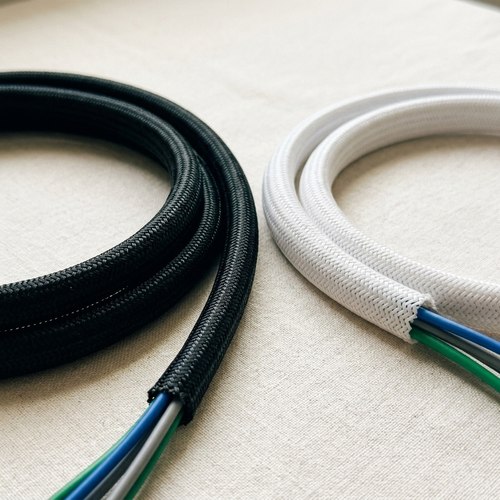
Hide cables by installing an under-desk tray to catch the wire nest before it reaches the floor. Since the back of your desk is visible, use a cable spine or simple velcro ties to group all cords against one desk leg. This keeps the look intentional and clean from every angle. Grouping your tech in one zone and using wireless chargers for your phone or earbuds also helps reduce the number of visible wires crossing your surface.
From the catalog