September 25, 2026
Home Bar Lighting: A Practical Guide to Choosing the Right Fixtures
One fixture rarely does every job at a home bar. A pendant can draw the eye, but it may not help you find a glass on a dim shelf or create a softer mood around the seating. Good home bar lighting gives each area the light it needs without making the room feel like a showroom.
To choose fixtures for your counter, shelves, or seating, start with how you use the space. A bar for long evenings has different needs from one that mainly serves as a quick stop for a drink. Adding more fixtures isn’t always the answer. Placement and light quality matter just as much.
This guide shows you how to layer ambient, task, and accent light, then compare fixture types for different parts of your bar. You’ll see how pendants, wall sconces, table lamps, ceiling fixtures, and floor lamps can suit different layouts, and which practical details to check before choosing. The goal is a setup that feels welcoming for guests and works just as well on an ordinary evening.
Key Takeaways
- Plan home bar lighting around the moments your bar needs to support, from preparing drinks to settling in with guests.
- Map the counter, display shelves, seating, and walkways before choosing fixtures, so each light has a clear purpose.
- A statement fixture can anchor the room, but consider other lighting needs before relying on it alone.
- Measure ceiling height, counter length, and available wall space, then check fixture dimensions and requirements before choosing.
- Compare Ergovanta’s Hospitality collection by placement, including the Snooker pendant, Pearl wall light, and Halo cordless table lamp.
Home Bar Lighting Starts with the Way You Use the Space
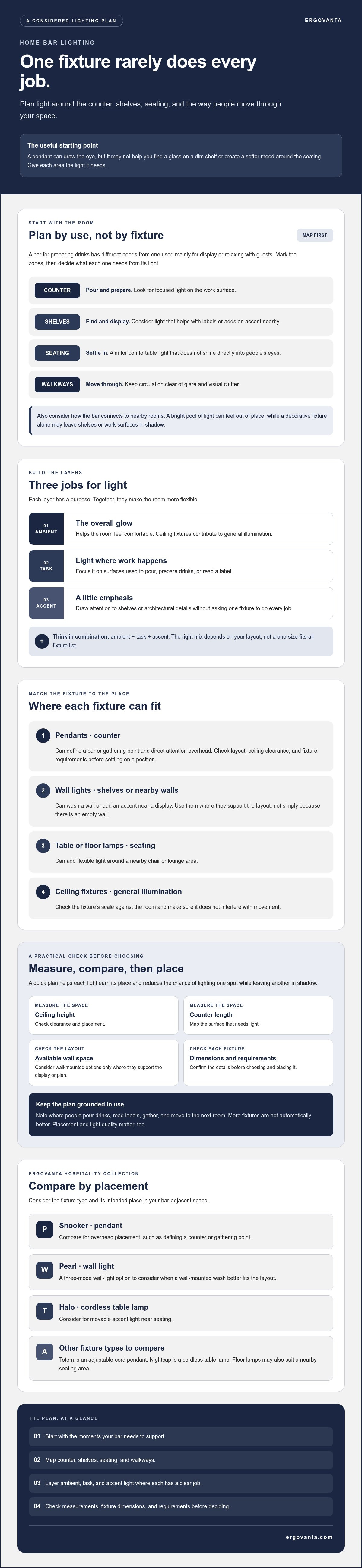
Choose lighting around the activities your bar needs to support. Home bar lighting is the combination of fixtures that shapes the room’s atmosphere and illuminates the surfaces people use. A setup for mixing drinks has different priorities from one used mainly to display bottles or relax with guests.
Think about where people pour drinks, read labels, and gather. Then consider how the bar connects to nearby rooms. A bright pool of light can feel out of place if it clashes with the adjoining space, while a single decorative fixture may leave shelves or work surfaces in shadow.
For visual inspiration, this video shares a range of home bar lighting ideas:
What should home bar lighting help you do?
Start with the bar’s main use: entertaining, occasional drinks, storage, or everyday use. Identify the surfaces that support those activities, such as a counter for pouring, shelves for bottle labels, or a nearby table where people gather. Note the route between the bar and the next room, too. Lighting should help people use the space and move through it without leaving one corner noticeably dim.
A striking fixture can anchor the room, but it may not serve every task. A pendant over the counter can define that area, for example, while shelves and seating may need their own considered light. The right mix depends on your layout, not on a rule that every bar needs the same fixtures.
Atmosphere and useful light can work together
Think in layers. Ambient light provides the overall glow that helps the room feel comfortable. Task lighting focuses on a surface where you pour, prepare drinks, or read a label. Accent lighting draws attention to shelves or architectural details. Each layer has a job. Together, they make the room more flexible.
That approach reflects the basic principles of lighting design, where light supports both how a space looks and how people use it. Use these principles as a starting point, then choose fixtures that suit your layout. Ergovanta’s lighting collection offers fixture types to compare for bar-adjacent spaces.
Layer Home Bar Lighting Across the Counter, Shelves, and Seating
Map the bar before choosing fixtures. Mark the counter, display shelves, seating, and the routes people use to move through the room. This simple plan helps each light earn its place and avoids relying on a striking fixture that illuminates one spot while leaving the rest of the space in shadow.
Start with the surfaces and activities. Place task-focused light near the counter where you serve or prepare drinks. Consider wall or display lighting for shelves, but don’t assume every shelf needs its own fixture. Around seating, look for comfortable light that doesn’t shine directly into people’s eyes. Keep walkways clear of glare and visual clutter.
- Counter: Pendants can define a bar or gathering point and direct attention overhead. Check the room layout, ceiling clearance, and fixture requirements before settling on a position.
- Shelves: Wall lights can wash a wall or add an accent nearby. Use them where they support the display, not simply because there’s an empty wall.
- Seating: A table or floor lamp can add flexible light around a nearby chair or lounge area.
- Circulation: Ceiling fixtures contribute to the room’s general illumination. Check their scale against the room and make sure they don’t interfere with movement.
Which fixture types suit each lighting layer?
Match the fixture to the job. An adjustable-cord pendant such as Totem may suit targeted overhead placement, while the three-mode Pearl wall light may work when a wall-mounted wash better fits the layout. Cordless table lamps such as Halo or Nightcap can add movable accent light near seating. Check each fixture’s dimensions, requirements, and intended placement before choosing.
For an overview of how fixtures work together, see Lighting Design: Techniques to Transform Interior Spaces from Marymount University. The practical principle is simple: combine light sources to support the room rather than expecting one fixture to handle every task.
Sketch the layout before shopping
Draw a quick floor plan, even if it’s only a few boxes and arrows. Mark each zone, note where people sit and walk, then label the intended role of each light: general glow, focused counter light, shelf accent, or seating light. Add ceiling and wall positions that could support fixtures. The sketch makes gaps and overlaps easier to spot before you compare options.
Once you know which fixture types suit your plan, compare lighting in Ergovanta’s Hospitality collection, which includes options for bar-adjacent spaces as well as hotels, bars, and restaurants.
Is One Statement Light Enough? Compare Home Bar Fixture Options
A statement fixture can give a bar a clear visual anchor, but it may not light the counter, shelves, and seating equally well. Compare fixtures by placement and purpose before choosing. The best home bar lighting plan is the one that supports the activities in your space, not necessarily the one with the most memorable centerpiece.
Use this table to narrow your options. Product details below reflect the information provided. Check dimensions, compatibility, and mounting requirements against the current product listing before choosing.
| Fixture type | Useful placement | Typical role | Details to verify |
|---|---|---|---|
| Pendant | Above a counter or gathering point | Defines a zone and directs light overhead | Dimensions, cord or chain adjustment, mounting details, and ceiling clearance |
| Ceiling fixture | Central or general room position | Contributes to overall illumination | Scale, dimensions, mounting details, and ceiling clearance |
| Wall light | Beside a bar or display wall | Adds a wall wash or focused accent | Dimensions, mounting requirements, and stated light controls |
| Table or floor lamp | Near seating or a reading spot | Adds light where a fixed fixture may not fit | Dimensions, power or charging details, and intended placement |
What to compare before choosing a pendant or ceiling fixture
Look beyond the silhouette. Compare the fixture’s visual scale with the bar and room, then check how its cord or chain can be adjusted and what the product states about mounting. Totem has an adjustable cord; Snooker has an adjustable chain. These details can help you assess placement, but they don’t establish a specific hanging range. Review dimensions and compatibility before deciding whether either suits your ceiling.
When a wall, table, or floor light may fit better
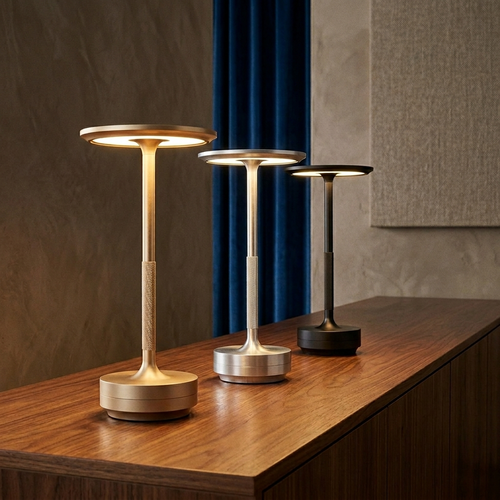
A wall fixture can work where overhead lighting isn’t practical or where you want light on a wall. Pearl has three on-fixture light modes. Check the listing to see what each mode does. Halo and Morel are cordless, touch-dim table lamps with rechargeable batteries, making them options to consider when movable placement matters. Cordless design gives you placement flexibility, not a guarantee that a lamp suits every surface or activity.
For a reading corner or the edge of a home office near the bar, Orrery is a floor-lamp example to consider. Compare its footprint with your available space. Ergovanta’s lighting collection brings fixture types together for comparison. Choose by the job each light needs to do, then verify the product details before you commit.
Choose Home Bar Lighting with a Practical Shopping Checklist
A few measurements and clear fixture roles can prevent a familiar mistake: choosing a light because it looks right, then discovering it doesn’t fit the room or the way you use the bar. Use this checklist to compare options against your layout.
A five-step checklist for comparing fixtures
- 1. Map the space. Note what happens at the bar, which surfaces are used for serving or preparation, where people sit, and how they move through the room. Mark nearby rooms that share the space visually.
- 2. Assign each light a role. Decide whether a fixture will provide general illumination, focused light for a surface, or an accent for a display. This keeps your shopping tied to a real need, not just a good-looking product photo.
- 3. Measure the proposed placement. Check ceiling height and available wall space. Measure the counter length and note nearby outlets, especially if you’re considering a lamp that needs a power source. Compare your measurements with all listed fixture dimensions, including the space it occupies once mounted.
- 4. Compare stated features. Review the control method, materials, cord or chain adjustment, and other fixture-specific details. Don’t assume dimming, bulb compatibility, or weather resistance from appearance alone. Look for those details in the product information.
- 5. Verify requirements before choosing. Check the listed bulb or LED details, mounting instructions, and installation requirements. If information is missing or unclear, confirm it before selecting a fixture for a particular location.
Common home bar lighting mistakes to avoid
One pendant or chandelier may anchor the room, but it shouldn’t be expected to serve every surface and activity. Check for glare from seated positions and consider whether a fixture will shine directly into someone’s eyes. Don’t choose a size or mounting position before measuring the room. A product image can’t tell you whether a fixture will clear the ceiling, fit above your counter, or suit your wall.
Good home bar lighting comes from matching each fixture to its place and purpose, then checking the practical details. Keep your sketch and measurements beside you as you compare options. If a listed specification matters to your setup, verify it rather than guessing.
Build a Home Bar Lighting Plan with Ergovanta's Hospitality Collection
You’ve mapped the zones and decided what each fixture needs to do. Now compare those needs with specific options. Ergovanta’s Hospitality collection brings together lighting, decor, and bar pieces suited to hotels, bars, and restaurants. Its fixture examples can also help you compare approaches for a home bar, from overhead placement to a light you can move.
Standout lighting examples for different bar layouts
Think of these as options for specific roles, not a ranking. A fixture that suits one layout may be the wrong fit for another.
- Snooker: A billiard-style pendant with an adjustable metal chain and E27 bulb socket. Consider it above a counter or gathering point if the ceiling and mounting details suit your space. Check the dimensions and bulb information on the product page.
- Pearl: A copper-tone wall lamp with warm, cool, and neutral modes switched on the fixture. It may suit a wall near the bar where a wall-mounted light fits better than a pendant. Confirm its dimensions and stated controls before choosing its location.
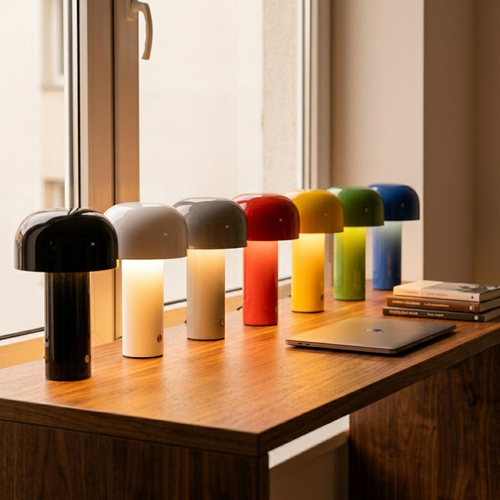
- Halo: A cordless aluminum table lamp with touch dimming and an acrylic diffuser. Consider it for a surface near seating when movable placement is useful. Review the current product details for dimensions and charging information.
Make the final choice fit your space
Match the fixture to your plan. Snooker is an overhead option for a counter or gathering area. Pearl offers a wall-mounted alternative. Halo gives you a cordless table-light option near seating. None is a universal answer, and appearance alone won’t tell you whether a fixture fits your ceiling, counter, or available surfaces.
Before choosing, compare dimensions, finishes, and stated specifications with your measurements. Verify bulb or LED details, controls, mounting requirements, and other product information on the listing. Details can vary by fixture, so check the individual product page rather than assuming one item’s features apply to another. For more fixture types to compare, browse Ergovanta’s lighting collection.
Build your home bar lighting plan around the room you have and the way you use it. A considered choice should earn its place, whether it anchors the counter, adds light to a wall, or gives a seating area its own glow.
Build a Bar That Works for Your Evenings
Good home bar lighting starts with how you use the room. Give the counter, shelves, and seating the light each needs, then check fixture dimensions, controls, and requirements before choosing. One statement fixture may set the mood, but a considered mix can better support serving, displaying, and relaxing.
Ergovanta’s Hospitality collection brings together lighting, decor, and bar pieces suited to hotels, bars, and restaurants. Lighting options include pendants, wall sconces, cordless table lamps, ceiling fixtures, and floor lighting. Compare the options with your layout, and check each product page for its specifications and availability.
Choose pieces that fit your layout and the way you want the room to feel. A thoughtful plan doesn’t need to be complicated; it just needs to work for your space.
Start with one clear purpose for each light, and build from there. Your bar can feel ready for company and still make sense on an ordinary evening.
Frequently Asked Questions
What is the best lighting for a home bar?
The best home bar lighting combines comfortable room-wide illumination with focused light for the surfaces you use. Choose fixtures based on how the bar functions: a counter used for preparing drinks needs a different emphasis from shelves used mainly for display. Consider how the bar connects to nearby rooms, too. The goal isn’t to fill every spot with a fixture, but to create a cohesive setup that supports the activities you actually do there.
How do you light a home bar counter?
Light the counter so you can see the surface clearly without creating glare for people seated nearby. A pendant can provide focused overhead light, while surrounding room light can soften the contrast. A commonly used placement guideline puts the bottom of a pendant 30 to 36 inches above the countertop, but check the fixture’s instructions and your room layout before using that measurement. Also consider shadows cast by people standing at the counter.
Are pendant lights good for a home bar?
Yes, pendant lights can work well above a bar counter or gathering point because they help define that area. Their suitability depends on the ceiling, counter size, fixture dimensions, and mounting requirements. Check the product’s stated cord or chain adjustment rather than assuming it can hang at any height. A pendant is one layer of the plan, not automatically the only light the room needs.
Can cordless table lamps work on a home bar?
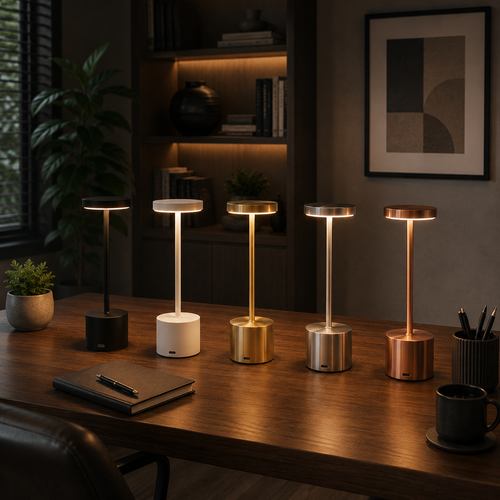
Yes. A cordless table lamp can add light to a side surface or seating area without requiring a nearby outlet for use. It can also be moved as the layout changes. Check the product details for charging method, battery information, controls, and dimensions, then choose a stable surface where the lamp won’t interfere with serving or conversation. Cordless placement is useful, but it still needs a sensible home.
What color light is best for a home bar?
Warm white is a common choice for an inviting bar atmosphere. The guidance for this article identifies 2700K as a comfortable option, with 3000K also suitable for a more modern feel. Light above 3500K can appear cooler and more clinical in a hospitality setting. Consider how the light looks alongside nearby rooms and finishes, and check bulb or LED compatibility before selecting a color temperature.
How many lights should a home bar have?
There’s no fixed number. Start by identifying the areas that need light, such as the counter, display shelves, seating, and walkways. Then decide what each fixture contributes: overall illumination, focused light, or an accent. A compact bar may need fewer sources than a larger setup with separate seating and displays. The useful measure is whether the space has comfortable coverage without harsh glare or unnecessary fixtures.
Should home bar lighting be dimmable?
Dimming can make a bar easier to adapt, letting you lower the brightness for relaxed conversation or increase it when you need clearer task light. Check that the fixture’s stated control method supports dimming, and verify compatibility with the dimmer or bulb you plan to use. Don’t assume a fixture is dimmable based on appearance. If it offers built-in controls, review the product details to understand how they work.
Ready to compare fixtures for your layout? Explore Ergovanta’s Hospitality collection.
Disclaimer
Ergovanta publishes these guides to help people set up better workspaces. Product recommendations reflect what we sell. Specifications, prices and availability are accurate at the time of writing and may change. Nothing here is medical, ergonomic or professional advice; if you have a specific health concern about your workstation, speak to a qualified professional.
From the catalog