July 16, 2026
Home Bar Lighting Ideas: Build a Space Worth Using

A home bar that looks great but feels impossible to use is just a storage unit for glassware. If you find yourself squinting to measure a pour or losing the atmosphere to a harsh overhead glare, your space isn't failing; it's just under-equipped. Lighting is the tool that defines the boundary between a cluttered corner and a functional area made for the craft. To build a space worth using, you need more than just a few bulbs; you need intentional home bar lighting ideas that account for both the work of mixing and the ritual of relaxing.
We agree that the right environment shouldn't feel like a clinical lab or a dark cave. This guide will show you how to equip your bar with a layered lighting scheme that eliminates shadows and highlights the objects that have earned their place. You'll discover how to balance task lighting for drink prep with ambient fixtures that set the tone. We'll provide clear direction on which pendants and wall lights to choose so your bar finally feels considered, organized, and ready for use.
Key Takeaways
- Learn how to layer ambient, task, and accent lighting to build a space that supports the work of mixing and the ritual of resting.
- Use targeted accent lighting to showcase the small objects, such as decanters and glassware, that earn their place on your shelves.
- Implement home bar lighting ideas that rely on warm, 2700K tones to create a clear transition into your downtime.
- Equip your space with dimmable fixtures and intentional wall lights to maintain a balanced atmosphere that eliminates harsh shadows.
The Fundamentals of a Considered Home Bar
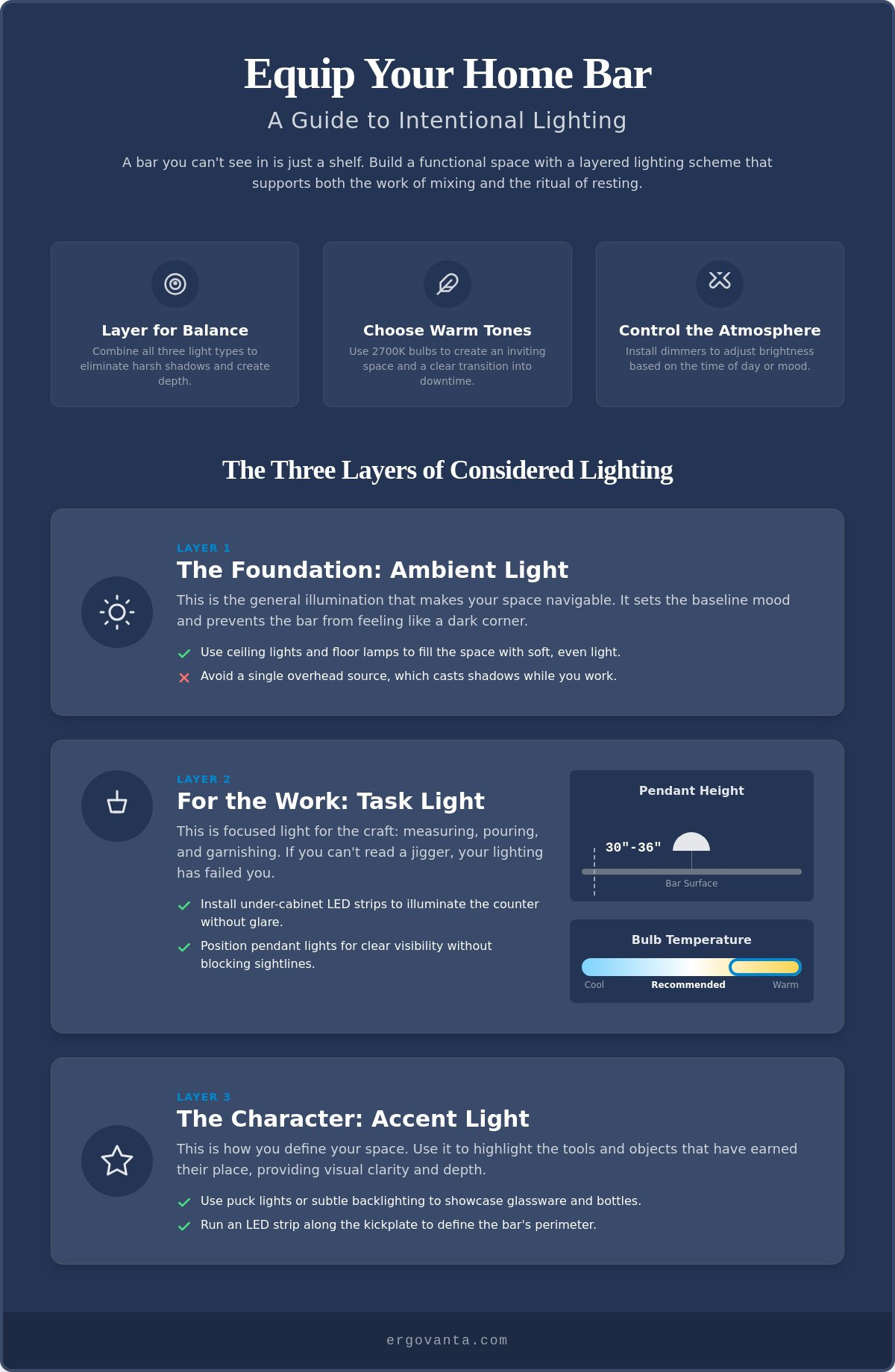
The workspace shapes the work. Equip it deliberately. A home bar functions best when you treat it as a dedicated station for a specific craft. To move beyond a cluttered counter, you must understand the Fundamentals of Lighting and how they apply to your setup. Effective home bar lighting ideas rely on three distinct layers: ambient, task, and accent. Each layer has a job to do. Without all three, you end up with a space that either feels like a hospital hallway or a cave where you can't find the bottle opener.
To better understand how these layers come together, watch this helpful video:
Ambient light sets the baseline. It provides the general illumination that makes the room navigable. Use ceiling lights or floor lamps to fill the space without over-brightening. The goal is a balanced scheme that avoids harsh shadows by placing light sources at multiple heights. If all your light comes from one point on the ceiling, you'll be working in your own shadow every time you lean over the counter.
Choosing Task Lighting for Drink Preparation
Task lighting is for the work. This is where you measure, pour, and garnish. If you can't see the measurements on a jigger, the light is failing you. Install under-cabinet LED strips to illuminate the counter directly without creating glare. Position pendants exactly 30 to 36 inches above the bar surface. This height provides clear visibility while keeping the fixtures out of your line of sight. Select warm-toned bulbs, ideally in the 2700K to 3000K range, to keep the environment inviting while you work.
Ambient Solutions for the Whole Room
Your ambient layer should be flexible. Since the 2026 National Electrical Code reduced residential lighting load calculations to 2VA per square foot, modern LED solutions are more efficient than ever. Use dimmers to adjust the room based on the time of day or the mood of the gathering. A bar that is too bright feels clinical; one that is too dark feels neglected. Dimmable ceiling lights allow you to find the middle ground where the room feels considered and ready for use.
Intentional Accent Lighting to Define Your Space
Accent lighting is where you define the character of the bar by highlighting the small objects that have earned their place. It isn't about creating a status symbol; it's about providing visual clarity for the tools you actually use. Use wall lights to draw attention to the textures of your backsplash or a specific piece of artwork. This approach builds depth in the room without adding unnecessary clutter to your workspace. The focus should always be on the considered look: less is often more when you want to create a room that gets used.
Subtle backlighting is a functional choice that helps you identify bottles at a glance while making them glow with a soft, indirect light. Many generic home bar lighting ideas suggest using bright, color-changing LEDs that can feel distracting or cheap. Instead, aim for a balanced scheme that favors restraint. When you integrate home bar lighting ideas that focus on intentionality, you create a space that feels ready for use rather than just a showpiece.
Highlighting Your Bar Tools and Glassware
Your tools should be easy to find. Place small puck lights inside your cabinets to showcase your glassware accessories and decanters. If you have a specific area for prep, angle directional spotlights toward your favorite items. This catches the light on the glass and metal, emphasizing the quality of the objects without overwhelming the room with brightness. It makes the ritual of drink preparation feel more organized and purposeful.
Defining the Bar Perimeter
The bar should feel like a distinct area, even in an open-concept room. Run a single LED strip along the kickplate to ground the structure. This simple addition uses light to separate the bar area from the rest of your living space. It signals that this specific corner is made for the ritual of the craft. If you are unsure which fixtures fit your specific layout, get in touch to discuss equipping your space deliberately.
Setting the Atmosphere for the Ritual
The workspace shapes the work, but the bar lighting shapes the downtime. If you spend serious hours at a desk, the room around it needs to help you transition out of a productive mindset. Lighting is the most effective tool for marking the boundary between the busy hours and the quiet ritual of a drink. By implementing intentional home bar lighting ideas, you can signal to your brain that the day is done. Consider how floor lighting can soften a room and make it feel more personal than a standard overhead fixture.
Commercial bars are often designed for high turnover with high-intensity setups, but your home bar is for personal relaxation. Avoid the mistake of copying commercial designs that feel cold or clinical. Instead, focus on these expert-approved home bar lighting ideas to create a space that feels considered and ready for use. The goal is to build an environment that encourages you to slow down and appreciate the craft of the pour.
The Role of Color Temperature
Color temperature is a critical factor in bar design. Avoid "daylight" or blue-toned bulbs that keep the brain in work mode. These high-kelvin lights mimic the midday sun and can keep you feeling wired when you should be winding down. Equip your space with warm color temperatures, specifically 2700K or lower, to signal relaxation. Opt for amber or "Edison" style bulbs for a classic, grounded feel. This warmth creates a visual cue that the work day is officially over.
Lighting Your Bar Cart
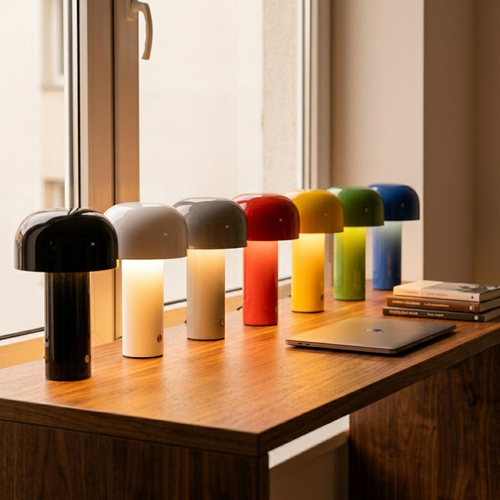
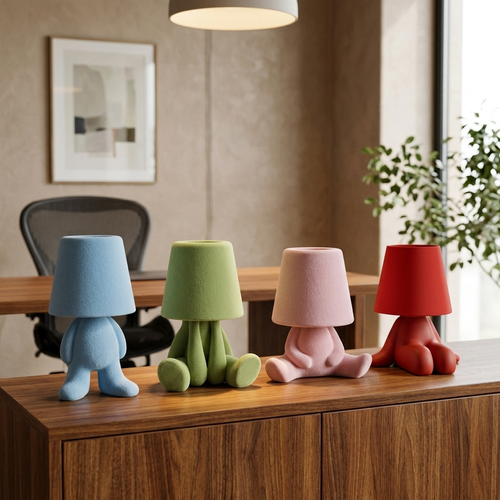
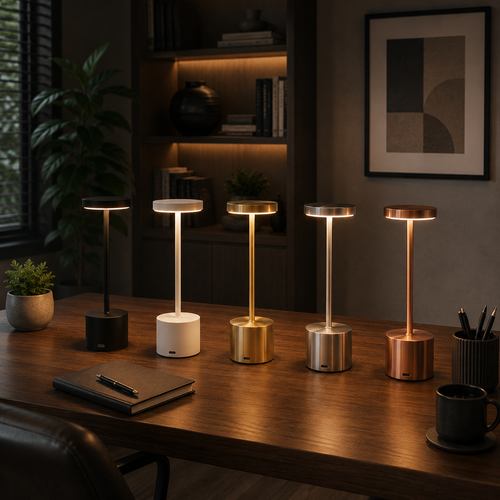
Not every bar needs to be a built-in installation to be effective. If you use a bar cart instead of a permanent fixture, your lighting needs to be just as flexible. Use a nearby table lamp or a small floor lamp to define its zone within the room. Keeping the lighting portable and flexible allows you to match how you actually use the space. It ensures that even a mobile cart feels like an intentional part of the home rather than a temporary addition. Focus on the objects that earn their place by giving them the right light to stand out.
Equip Your Bar for the Ritual
The room around you matters. If you spend your day at a desk, the transition to your evening ritual should be clear and intentional. You've learned how layering ambient, task, and accent lighting creates a functional workspace for the pour. You also know that warm color temperatures are the key to signaling rest. These home bar lighting ideas aren't about status symbols; they're about building a room that actually gets used.
Equip your space with intentional designs for the people who do the work. From wall lights that highlight your glassware to pendants that clear the shadows from your counter, every object should earn its place. A considered environment doesn't happen by accident. It requires deliberate choices and the right tools. We focus on providing accessories that are made for the work and the wind-down that follows.
Build a space worth using with Ergovanta lighting and bar essentials.
Take ownership of your environment. When your bar is lit with purpose, the ritual of the craft becomes more than just a drink. It becomes a well-earned pause in a productive day. Start building the space you'll want to come back to every evening.
Frequently Asked Questions
What is the best color temperature for a home bar?
The best color temperature for a home bar is between 2700K and 3000K. This warm range signals your brain to transition from work to relaxation; creating a clear boundary for your downtime. Avoid bulbs over 5000K, often labeled as "daylight," as they feel clinical and harsh in a hospitality setting. By choosing amber or warm-toned bulbs, you build an environment that supports the ritual of the craft rather than keeping you in a high-alert state.
How many lumens do I need for bar task lighting?
Aim for 300 to 500 lumens for your bar task lighting areas. This provides enough clarity to measure ingredients and garnish drinks without overwhelming the room with brightness. Since task lighting is made for the work, focus these lumens directly on the counter where you do the prep. Using dimmable fixtures allows you to adjust the intensity once the mixing is finished and you're ready to focus on the conversation.
Can I install bar lighting without hardwiring new fixtures?
You can easily implement home bar lighting ideas without hardwiring by using plug-in pendants or battery-powered LED strips. Many wall lights now come with cord-and-plug options that only require a standard outlet. This is a practical way to equip your bar if you rent your space or don't want to open up the walls. Puck lights and adhesive strips are intentional tools that earn their place by providing function without permanent construction.
How do I light a small home bar in an apartment?
Light a small apartment bar by focusing on verticality and small-scale fixtures. Use a single wall light or a small table lamp to define the bar zone without taking up valuable counter space. If you use a bar cart, a nearby floor lamp can ground the area in the room. These home bar lighting ideas help separate the bar from the rest of your living environment; making the space feel considered and ready for use.
From the catalog