July 24, 2026
A Considered Foundation: Choosing the Right Foot Stool for Your Desk

The floor is the most overlooked piece of real estate in your office. If you spend serious hours at a desk, the room around it matters more than you think. You've likely felt that nagging thigh pressure or the lower back fatigue that sets in when your feet don't quite reach the ground. Most people try to solve this with a cheap plastic accessory that slides across the floor or cracks under pressure, but a workspace should be built with more intentionality than that.
It's hard to stay focused when your body is constantly adjusting to find a stable position. We believe that every object in your space should earn its place on the floor through purposeful function. This guide will help you choose a foot stool for desk that provides a grounded foundation, helping you maintain better circulation and a posture made for the work. We'll look at how to select a durable, considered tool that stays exactly where you put it, ensuring your environment supports your productivity rather than distracting from it.
Key Takeaways
- Ground your posture by solving the "dangling feet" problem that leads to thigh pressure and lower back fatigue.
- Prioritize adjustability and multiple height levels when choosing a foot stool for desk to ensure your feet stay firmly planted.
- Opt for active textures or massage boards to encourage better circulation during long sessions spent working in socks or barefoot.
- Treat your foot rest as part of a larger ecosystem by pairing it with seat cushions to build a workspace made for the work.
Why Your Workspace Needs a Solid Foundation
The workspace shapes the work. Equip it deliberately starting from the floor up. While we often obsess over the height of our monitors or the tension of our chair backs, the foundation of a productive session actually begins where your feet meet the floor. If you spend serious hours at a desk, the room around it matters more than you think, especially the parts you can't see while you're staring at a screen.
Many people suffer from the "dangling feet" problem without realizing it. When your chair is set to the correct height for your desk but your feet don't quite reach the floor, your body pays the price. This lack of support creates constant pressure on the underside of your thighs and forces your spine to shift as it searches for stability. A foot stool for desk isn't just an accessory; it's a tool for ownership. It allows you to adjust your environment to your body rather than the other way around.
Achieving a neutral posture is the goal of a considered workspace. This means your feet are flat, your weight is evenly distributed, and your knees are at or slightly below hip level. When you build your space with this intentionality, you create a setting where focus comes naturally because your body isn't fighting against its furniture.
The Physical Impact of a Grounded Posture
Stabilizing your pelvis is the first step toward reducing lower back strain. When your feet are firmly planted on a foot stool for desk, your pelvis remains in a neutral position, which prevents the rounded lower back that leads to long-term fatigue. It's about creating a solid base that supports the entire kinetic chain of your body while you work.
Proper leg circulation is equally vital for long sessions. A well-placed foot rest prevents the tingling sensation in your legs by removing the sharp edge pressure of the chair from your sensitive nerves and blood vessels. By grounding your posture, you're not just finding a place to rest; you're equipping yourself for the work ahead.
Selecting a Foot Stool That Earns Its Place
Choosing a foot stool for desk requires more than just picking the first plastic option you see. You're building a toolset for your day, so the materials and mechanics matter. Start with adjustability. A considered stool should offer at least two height levels. This allows you to fine-tune your position if you switch chairs or adjust your desk height, ensuring your feet stay grounded regardless of the furniture you're using.
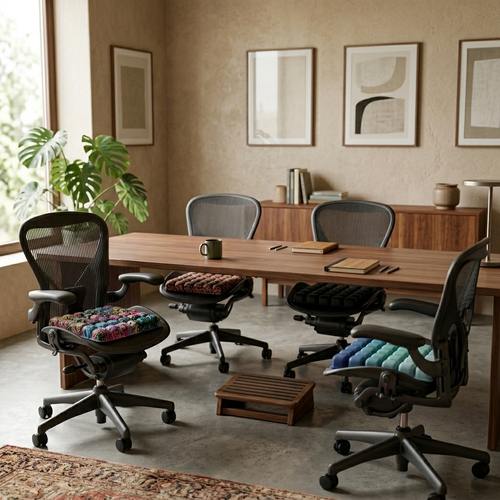
Stability is non-negotiable. A tool that slides around the floor is a distraction, not a support. Look for high-grip, non-slip bases that stay anchored during serious hours of use. Material choice also dictates the feel of your space. High-density foam provides a soft, cushioned touch for those who prefer working in socks, while rigid boards offer maximum stability and are better suited for those who wear shoes at their desk. Active surfaces with beads or rollers keep your feet engaged and help maintain circulation through purposeful texture.
Static Support vs. Active Movement
Static stools provide a fixed, reliable base for those who want a locked-in, focused position. They're built for stability and groundedness. In contrast, rocking boards and massage boards encourage active movement. These tools help you avoid the stagnation that comes with sitting for hours, keeping blood flowing through subtle, consistent motion. It's a choice between a solid anchor and a tool that keeps your body in motion while your mind stays on the task.
Choosing for Your Work Style
Your choice should reflect your daily habits. If you work barefoot or in socks, a foam surface or a board with massage beads feels intentional and supportive. If you keep your shoes on, a rigid, easy-to-clean surface is more practical. Size is the final factor. Ensure the platform is wide enough to support a natural, shoulder-width stance. If you're looking to equip your workspace with tools that earn their place, focus on the details that match your specific routine.
Equipping a Workspace Made for the Work
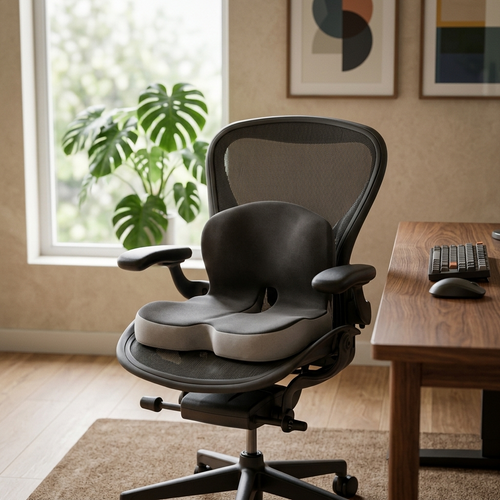
A foot stool for desk is not a solitary object; it's a critical component of a larger ecosystem. When you build your space, you should consider how each piece interacts with the others. For example, many people who use ergonomic comfort tools find that adding a high-quality seat cushion raises their sitting height. Without a considered foundation, this extra comfort at the hips leads to dangling feet and thigh pressure. A foot rest allows you to use that thicker cushion while maintaining the solid floor contact necessary for a grounded posture.
Intentional organization is the next step. A workspace made for the work requires a clear area under the desk so your stool can be positioned exactly where your body needs it. If cables or clutter block your range of motion, the tool loses its utility. Beyond the floor, the room around the desk matters. The way lighting hits your surface and the presence of intentional decor influence your ability to stay in the flow. Every object should earn its place by either supporting your body or sharpening your focus.
The Holistic View of Desk Comfort
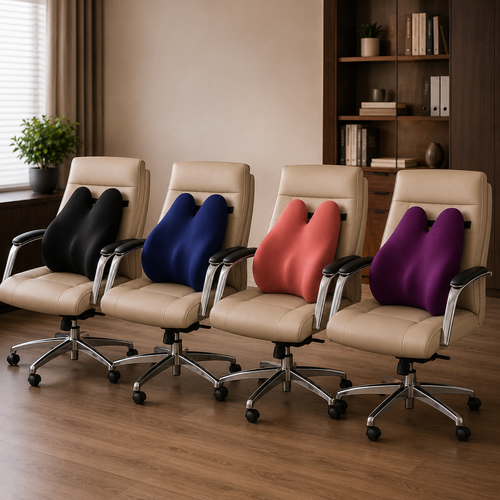
Your spine is a single system. Lumbar support and foot grounding work together to protect the natural curve of your back. When your feet are supported, your pelvis remains stable, which allows your lumbar pillow to do its job effectively. Even small tech accessories earn their place when they remove friction from your day, allowing you to focus on the task rather than the tools.
Taking Ownership of Your Environment
Ownership means regular evaluation. If you feel restless or find yourself shifting constantly, take a moment to adjust the angle or height of your stool. A workspace is never truly finished; it's a living environment that you refine as your needs change. Build a space you choose to come back to. Intentionality is the difference between a place where you just work and a place where you actually create.
Build a Workspace That Supports the Work
Grounding your posture is the first step in building a workspace that actually works. By choosing a foot stool for desk that offers adjustability and stability, you take ownership of your physical environment. This small object earns its place by removing the distraction of physical fatigue, allowing you to focus on the task at hand. It's about purposeful function in action; every part of your room should support the work you do.
A considered workspace is a collection of tools that work together. Whether you're pairing a foot rest with a seat cushion or organizing the area under your desk, every choice should be intentional. We provide tools curated for intentional workspaces because we believe the room around you shapes the quality of your output. Your environment isn't just a place to sit; it's the foundation of your productivity.
If you're ready to build a setup that feels like yours, equip your space with considered ergonomic tools. We make tools for the people who do the work. Start building a workspace you'll choose to come back to tomorrow.
Common Questions About Desk Foundations
Why do I need a foot stool if my chair is adjustable?
Adjustable chairs solve only half the equation because desk heights are often fixed. To keep your arms at a functional level for typing, you might have to raise your chair so high that your feet no longer reach the floor. A foot stool for desk bridges this gap, ensuring your feet remain grounded. This prevents the chair's edge from cutting off circulation in your thighs and helps you maintain a stable posture throughout the day.
How high should a foot stool for a desk be?
The ideal height allows your feet to rest flat while your knees remain at or slightly below hip level. Most considered stools offer a range between 3 and 6 inches, often featuring multiple height settings or tilt angles to accommodate different body types. Since every chair and desk combination is unique, look for a foot stool for desk that offers adjustability to help you find your specific neutral position.
Can a foot rest help with lower back pain at work?
A foot rest helps reduce lower back strain by providing a solid base that stabilizes your pelvis. When your feet dangle or rest unevenly, your lower back often rounds to compensate for the lack of stability, which leads to fatigue. By grounding your feet, you support the natural curve of your spine. This intentional setup removes the physical friction that often causes restlessness during long sessions at your desk.
What is the difference between a foot rest and a foot massage board?
A standard foot rest provides a static, stable foundation for those who prefer a locked-in position. A foot massage board is designed for active movement, featuring textures like beads or rollers that keep your feet engaged. These boards are particularly effective for those who work in socks or barefoot, as they encourage subtle motion and help maintain circulation. Both tools earn their place by helping you build a workspace made for the work.
From the catalog