September 5, 2026
Build a Clearer Workspace: A Buying Guide to White Office Decor
The workspace shapes the work. Equip it deliberately. You likely chose a white palette to find clarity, yet you might now be staring at five different shades of off-white that don't quite match. It's frustrating when a search for simplicity leads to more visual clutter. You want a room that feels personal and organized, not a cold environment that feels like a clinic. Choosing the right white office decor is about more than just picking a color; it's about creating an advantage in focus through visual silence.
We've built this guide to help you navigate the nuances of a bright, intentional workspace. You'll learn how to identify the right tones, such as the soft Cloud Dancer white currently trending in considered design. We'll show you how to layer textures and warm lighting to keep your space from feeling sterile. From monitor arms to the small objects that earn their place on your desk, this is how you build a workspace you'll actually choose to come back to.
Key Takeaways
- Understand how a neutral palette provides the visual silence needed to keep your focus on the task at hand.
- Discover how to use white desk lamps to provide purposeful function and maintain your energy throughout the day.
- Equip your space with white office chairs that provide ergonomic support while maintaining a light visual footprint.
- Learn to use white office decor, such as monitor arms and stands, to improve your eye-level alignment and clear desk clutter.
- Balance the room with faux plants and natural textures to ensure your workspace feels personal rather than clinical.
The Intentionality of a White Workspace
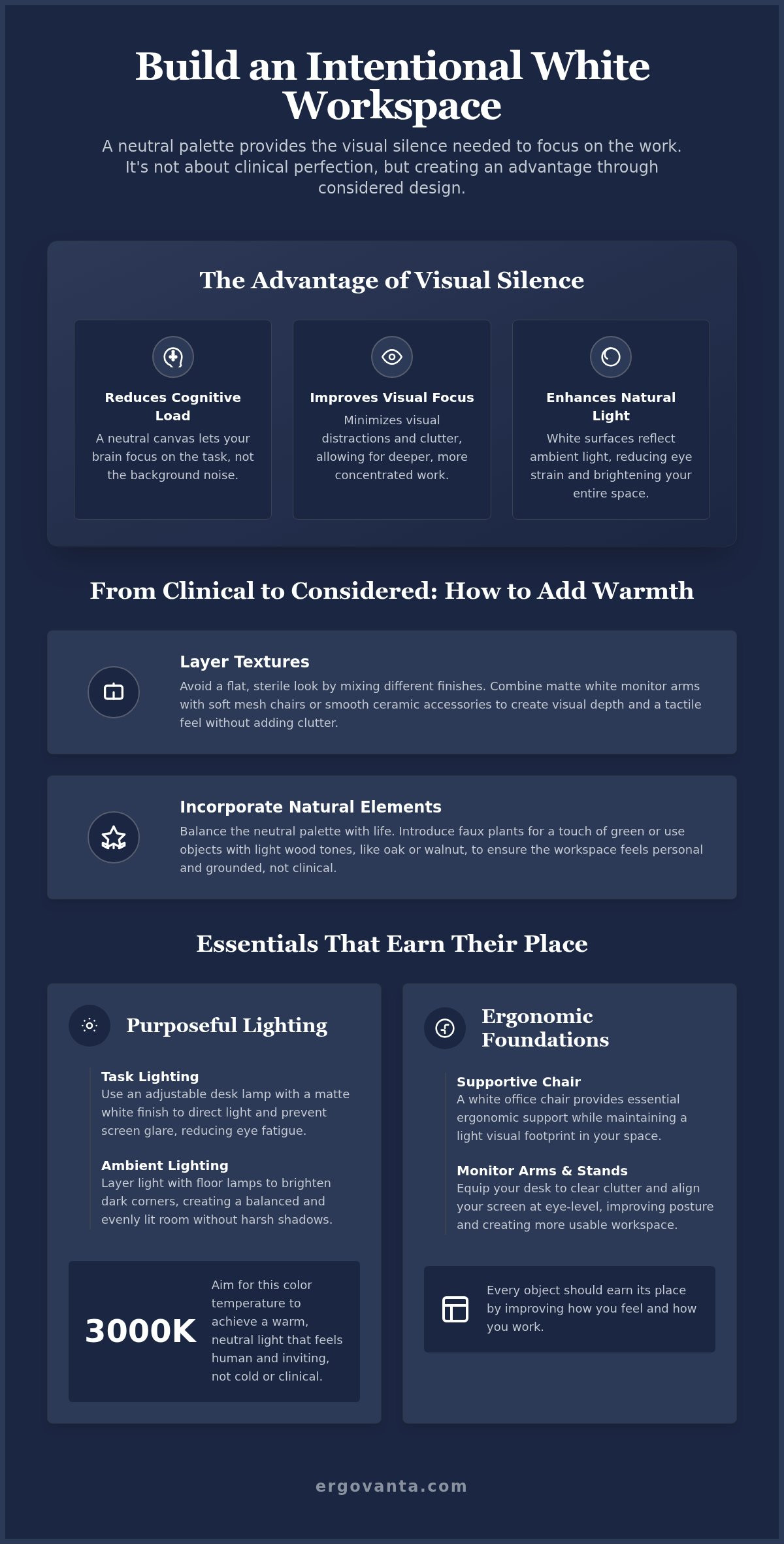
The workspace shapes the work. Equip it deliberately. When you choose white office decor, you aren't just following a trend; you're creating an environment designed for deep work. White serves as a canvas that minimizes visual noise. It allows the actual tasks you're performing to take center stage. Instead of being distracted by a chaotic mix of colors and textures, your eyes find rest in the neutral landscape of your desk. This visual silence is a tool, not just an aesthetic.
Building a sanctuary of productivity requires intentionality. It means moving away from the generic feel of a corporate cubicle and toward a space that feels like yours. Every object should earn its place. If a tool doesn't serve a purpose or provide the visual silence you need, it doesn't belong. You're not just filling a room; you're equipping a station for performance.
Clarity Over Clinical Perfection
One common fear is that a white workspace will feel like a hospital. You can avoid this clinical trap by selecting items with varied finishes. Mix matte white monitor arms with glossy ceramic vases or soft white mesh chairs. These subtle shifts in texture create depth without adding clutter. It's about finding the right balance between a clean look and a room that feels lived in.
Light reflection is another practical consideration. White surfaces bounce light, which can help reduce eye strain during long hours at the desk. However, you should focus on the tools that get touched and the rooms that get used. A workspace is a living environment, not a museum. Choose materials that feel good under your hands and look better as they age. This approach ensures your workspace essentials feel grounded and functional.
The Psychology of a Neutral Palette
There is a real psychological impact of color on how we process information. White promotes a sense of mental space and openness. By choosing a neutral palette, you effectively reduce the cognitive load of your environment. Your brain spends less energy processing background noise and more energy on the problem in front of you. It's a simple way to gain a mental advantage.
This isn't about achieving perfection. It's about a deliberate selection of minimalist style elements that support your workflow. When you build your space with objects that serve a clear purpose, you create an environment that supports your work rather than competing with it. Neutral tones don't just look organized; they help you feel organized.
Choosing White Lighting for Purposeful Function
Lighting is the most critical tool for maintaining energy throughout the day. It is more than a secondary decor element; it's the lens through which you see your work. When you equip your space with white office decor, the lighting determines whether those pieces look intentional or washed out. Poor lighting creates shadows that add visual noise, while a considered setup provides the clarity needed for deep work. You shouldn't settle for whatever overhead fixture came with the room.
Task Lighting and Desk Lamps
A desk lamp is a specific tool for a specific job. Select a white desk lamp with adjustable arms to get the light exactly where you need it. This follows standard workplace ergonomics guidelines for reducing physical strain and improving focus. Opt for matte white finishes. Glossy surfaces often cause distracting glare on your monitor, which defeats the purpose of a focused workspace. A well-placed lamp prevents the eye strain that leads to late-afternoon fatigue. You can explore our white lighting collection to find a tool that earns its place on your desk.
Ambient and Floor Lighting
Don't rely on a single light source. Layer your light by combining floor lamps with ceiling fixtures to create a balanced room. White floor lamps are effective for brightening dark corners without overwhelming the space with harsh intensity. Ceiling lights and pendants should distribute light evenly to avoid deep shadows that make a room feel cramped. Every light source in your office should serve a purposeful function. This layered approach ensures your environment remains functional even as natural light changes from morning to evening.
Consistency in tone is vital for a cohesive look. If you've chosen a soft white like Pantone's "Cloud Dancer" for your furniture, ensure your lighting doesn't cast a blue tint that makes the room feel clinical. Aim for a neutral temperature, typically around 3000K, to keep the room feeling human and inviting. This cohesion ensures your objects work together rather than competing for attention. If you're building a new layout and aren't sure which fixtures fit your needs, you can ask us for a recommendation to help get the balance right.
Ergonomic Essentials That Earn Their Place
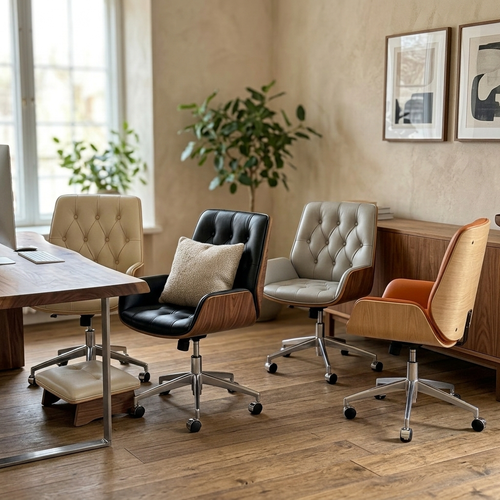
Comfort is often misunderstood in the workspace. Being "comfy" is a trap that leads to slumping, poor posture, and mid-afternoon fatigue. Real comfort is about support that lasts for hours. When you select white office decor, you're usually looking for a lighter visual footprint. Traditional ergonomic furniture is often bulky and dark, dominating the room like a piece of gym equipment you didn't ask for. White office chairs and mesh task chairs solve this by blending into the background, making your room feel larger while providing the structural integrity your body requires.
Seating and Posture Support
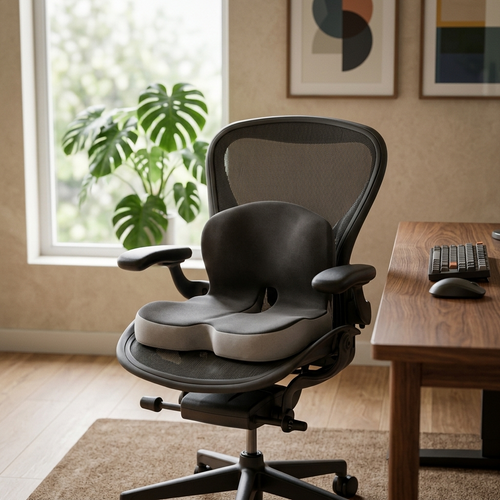
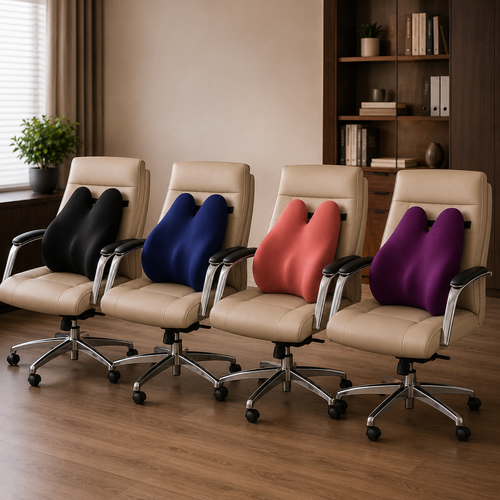
The chair is the foundation of your station. Look for white mesh office chairs that offer breathability and adjustability. Mesh allows for better airflow, which keeps you cool during intense focus sessions. Beyond the chair itself, consider how you can customize your support. Lumbar pillows should be firm enough to provide actual spinal support, not just a soft cushion that flattens under weight. If you find your current setup lacking, you can equip your space with tools from our ergonomics and comfort collection to ensure every object earns its place.
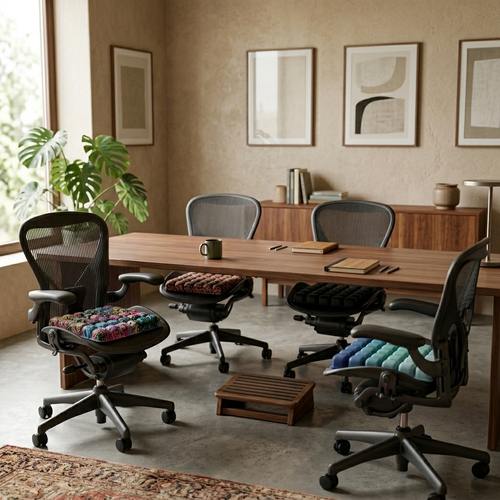
Adding a seat cushion can also change the way you interact with your desk. It is about the intentionality of the build. You aren't just buying furniture; you're equipping a tool for long-term health. A white palette allows these additions to feel like part of a cohesive system rather than a cluttered afterthought. This approach helps you maintain the visual silence necessary for deep work.
Movement and Stability
Proper posture starts at the floor. Foot rests help maintain proper circulation by ensuring your feet are flat and your knees are at the correct angle. This is especially important for shorter users or those with desks that sit slightly too high. Foot massage boards can also keep you grounded, providing subtle sensory input that helps you stay present during long sitting sessions. These small objects earn their place by solving physical problems you might not even realize you have until they're gone.
Instead of focusing on clinical medical metrics, think about how you feel at the end of the day. Do you feel tight in the shoulders? Is your lower back aching? White ergonomic tools blend into your desk setup, providing an advantage in focus without adding the visual weight of heavy black plastic. By choosing white office decor for your ergonomic needs, you create a space that feels personal and organized. It is a workspace you would choose to come back to because it respects both your body and your eyes.
Organizing Your Desk with White Tech and Accessories
The workspace shapes the work. Equip it deliberately. Tech is often the primary source of visual noise on a desk. Between tangled black cables and monitors sitting too low, the focus you've built with your white office decor can quickly disappear. Integrating tech accessories into your palette isn't just about aesthetics; it's about maintaining the visual silence needed for deep work. When your tools match your environment, they become part of a cohesive system rather than a distraction.
Monitor Arms vs. Monitor Stands
Choosing between a stand and an arm depends on how you use your desk surface. Monitor stands offer immediate height and often include extra storage underneath for notebooks or small tools. Metal stands provide the stability needed for heavy ultrawide screens, while white acrylic stands offer a lighter visual footprint for smaller laptop setups. If you need more flexibility, monitor arms provide the highest degree of adjustability. By lifting the screen off the surface, you reclaim the desk space that usually goes to waste. This allows for a more flexible screen position, which is vital for maintaining correct posture as you shift throughout the day. Check out our monitor and laptop stands to find the right fit for your build.
Small Objects That Earn Their Place
Desk organization is a practice of intentionality. Small objects like headphone stands and phone stands keep your tools within reach, preventing them from drifting across your desk and creating clutter. When these items match your white office decor, they contribute to a environment that supports focus rather than competing for it. Wireless chargers in white are particularly effective because they eliminate the need for the thick black cables that usually disrupt a clean look. To maintain this clarity, use cable management trays to keep power strips and excess cords hidden. A clear space leads to a clear mind, and these small additions ensure your desk remains a place where work actually happens. Every object on your desk should earn its place by serving a function or providing visual silence.
Adding Texture and Life to a Neutral Room
The workspace shapes the work. Equip it deliberately. After you've sorted your lighting and ergonomics, you might find that a strictly monochromatic room feels a bit flat. This is the sterile look that many people fear when starting with a white palette. It happens when there is plenty of color but no character. To build a room that feels lived-in and personal, you need to introduce texture and organic shapes. This is where white office decor moves from being a functional tool to a considered environment.
The Role of Faux Greenery
Greenery is one of the most effective ways to break up a monochromatic white wall. A single plant on a shelf provides a visual rest point and introduces an organic shape that contrasts with the clean lines of your desk. While some argue that only real plants will do, the reality is that many professionals don't have the time to manage a nursery. Real plants can become another source of stress if they start to wilt. Faux plants are "made for the work" because they provide the visual benefit of greenery with zero maintenance. They earn their place by looking good every day, regardless of how much light your office gets. You can view our faux plants collection to find low-maintenance life for your shelves.
Accent Pieces and Personal Touches
Small objects should earn their place on your desk through either function or personal resonance. White ceramic vases provide a subtle, organic texture that softens the hard edges of tech accessories. Unlike cheap plastic organizers, ceramic has a weight and a feel that makes the desk feel grounded. You might also select figurines that reflect your interests. The goal isn't to create clutter; it is to equip your shelves with objects that you genuinely enjoy looking at during a break in focus. This is about building a space that feels like yours through deliberate selection.
Intentional design means choosing decor that resonates with you rather than trying to match a corporate identity. Your workspace should be a place you choose to come back to. By layering different materials, such as matte ceramics, smooth metal, and textured faux leaves, you create a space that feels bright and organized without feeling cold. It becomes a sanctuary where the work can take center stage because the room itself is balanced.
Explore the full White Collection
Equip Your Station for Deep Work
The workspace shapes the work. Equip it deliberately. Choosing white office decor is about more than just a clean look; it's about creating the visual silence required for deep focus. You now have the tools to layer your lighting to prevent late-afternoon fatigue, select ergonomic essentials that support your body during long sessions, and integrate tech accessories that hide the clutter of cables.
Every object in your office should earn its place. We've curated a collection of 38 intentional pieces where ergonomic support meets a clean aesthetic, specifically for the people who do the work. Whether you're adding a mesh task chair or a simple ceramic vase, each choice helps you build a room that feels personal and organized. This isn't about following a corporate identity; it's about creating a station that works as hard as you do.
Your desk is where your best ideas take shape. Build the workspace you'd choose to come back to every morning.
Frequently Asked Questions
How do I stop my white office decor from looking like a hospital?
Avoid the hospital look by introducing natural textures and organic shapes into your space. Layering matte white metal with ceramic vases or a wood-based desk creates a room that feels lived-in and personal. Incorporating faux plants provides a visual break from monochromatic surfaces without adding a maintenance burden. The goal is to build a station that feels intentional through deliberate selection, ensuring your white office decor feels like a sanctuary of productivity rather than a clinic.
Is white office furniture hard to keep clean and maintain?
Maintenance depends entirely on the materials you choose for your build. High-quality finishes like powder-coated metal or acrylic are easy to wipe down and resist staining better than porous surfaces. For items you touch frequently, such as mesh office chairs, white materials are often manufactured to be more durable for daily use. Focus on equipping your station with tools made for the work that can handle regular contact while maintaining their visual silence and clarity.
What are the best materials for white desk accessories?
Ceramic and metal are the preferred materials for white desk accessories that last. Ceramic provides an organic, tactile feel that adds character to your desk, while metal offers the structural integrity needed for monitor arms and laptop stands. Avoid low-quality plastics that tend to yellow or crack over time. By selecting considered materials, you ensure your small objects earn their place and look as good in three years as they do today.
Can I mix different shades of white in the same workspace?
You can and should mix different shades of white to prevent the room from feeling flat. Layering a soft white like Pantone's "Cloud Dancer" against a starker white monitor stand creates a sense of depth and intentionality. This approach makes the room feel warmer and more human. It is about a deliberate selection of tones that work together to reduce the cognitive load of your environment, helping you stay focused on the task at hand.
Do white monitor stands help with eye strain?
White monitor stands help reduce eye strain primarily by ensuring your screen is at the correct eye-level alignment. This prevents the neck tilting that leads to physical fatigue. Additionally, white surfaces bounce ambient light more effectively than dark ones, which can reduce the harsh contrast between your monitor and the wall behind it. This creates a softer visual environment that supports focused work for longer durations without the discomfort associated with high-contrast setups.
What are the essential white decor pieces for a small home office?
For a small home office, focus on objects that provide a light visual footprint. A white mesh task chair and a monitor arm are essential because they reclaim physical and visual space. Add a white desk lamp for targeted illumination and a few small objects, like a phone stand or a faux plant, to make the space feel personal. These pieces help you build a functional station without overwhelming a compact room with heavy, dark furniture.
How do I choose the right white desk lamp for my work?
Choose a white desk lamp that offers an adjustable arm and a matte finish to prevent distracting glare on your screen. The lamp should provide targeted illumination for reading or writing without washing out the rest of your desk. Look for a fixture that supports a neutral color temperature, around 3000K, to keep the room feeling inviting. Every light source should serve a purposeful function in your considered workspace to prevent late-afternoon fatigue.
Disclaimer
Ergovanta publishes these guides to help people set up better workspaces. Product recommendations reflect what we sell. Specifications, prices and availability are accurate at the time of writing and may change. Nothing here is medical, ergonomic or professional advice; if you have a specific health concern about your workstation, speak to a qualified professional.
From the catalog