August 16, 2026
Home Office Decor: Build a Functional Workspace You Want to Use

A workspace shouldn't be a generic cubicle you're forced to inhabit. The workspace shapes the work. Equip it deliberately. It's frustrating when visual clutter and poor lighting drain your energy before the first meeting ends. You deserve a setup that earns its place in your daily ritual.
We agree that a desk is more than a place to park a laptop; it's the foundation of your daily output. This guide shows you how to use home office decor to build an intentional workspace that supports both focus and physical well-being. You'll learn to select objects made for the work and tools that reduce fatigue without the corporate fluff.
We'll explore how to choose lighting that prevents eye strain, ergonomic accessories that support your posture, and considered organizational pieces that keep your mind clear. It's time to build the workspace you'd actually choose to come back to every morning.
Key Takeaways
- Understand why home office decor must be intentional and serve the work instead of creating visual noise.
- Equip your space with layered lighting solutions to minimize eye fatigue and sustain focus during long sessions.
- Combine ergonomic tools with your personal style to build a workspace that supports your physical comfort.
- Select small objects that earn their place on your desk while using cable management to reduce mental clutter.
- Build your environment over time with considered materials to create a cohesive and functional setting.
The Purpose of Intentional Home Office Decor
The workspace shapes the work. Equip it deliberately. When people discuss home office decor, they often focus on aesthetics that look good in a social media post but fail during a ten-hour shift. True intentionality means every object in the room has a job to do. If a piece of decor doesn't support your focus or your physical comfort, it's just visual noise. Building a space that works requires moving past the idea of filling a room with furniture and toward the idea of equipping a station for performance.
Intentionality is the difference between a desk covered in distracting trinkets and a workspace outfitted with tools. You don't need a corporate cubicle, but you do need an environment that respects your time and your body. By selecting objects that earn their place, you transform a generic corner into a personal headquarters made for the work you actually do.
Why Your Environment Influences Your Output
Visual order isn't about being a minimalist for the sake of a trend. It's about reducing the cognitive load that comes from a messy environment. When your space is organized, your brain doesn't have to process unnecessary data, leaving more energy for deep work. The concept of the Small Office/Home Office (SOHO) has evolved from a simple desk in a bedroom into a dedicated environment where professional boundaries are built through physical cues. Entering a considered space signals to your brain that the workday has begun. It creates a necessary mental wall between your living room and your responsibilities. Without these signals, the lines between rest and labor blur, leading to fatigue and reduced focus.
Equipping a Space vs. Simply Decorating
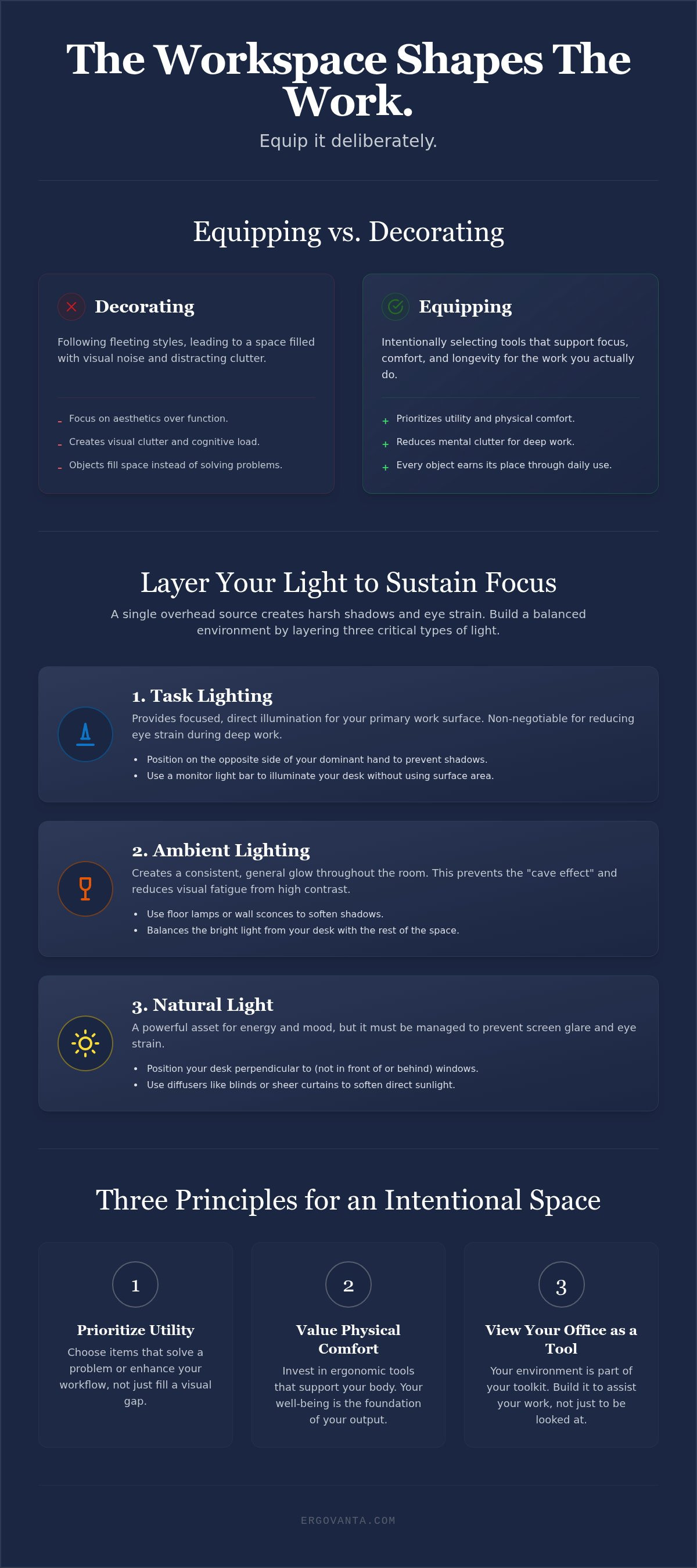
Decorating is often about following a fleeting style. Equipping is about longevity and function. Focus on workspace essentials that earn their place through daily use. This means prioritizing utility and physical comfort over what is currently popular on a design blog. Consider these principles when selecting items:
- Prioritize utility: Choose a desk lamp because it prevents eye strain during late sessions, not because it matches a specific color palette.
- Value physical comfort: A supportive seat cushion or a foot rest is a better investment than a fragile figurine that takes up valuable desk real estate.
- Think of your office as a tool: Your environment is an extension of your toolkit. Build it to assist your career, not just to fill a spare room.
An office that gets used is always better than one that just looks finished. When you view your space as a tool, you stop buying things to fill gaps and start investing in objects that solve problems. This approach ensures your desk remains a sanctuary of productivity rather than a collection of clutter.
Equip Your Space with Layered Lighting Solutions
Lighting is the primary foundation of a functional workspace. It dictates how long you can remain productive before physical fatigue sets in. When you build your setup, treat light as a critical tool rather than a final touch. Most people rely on a single overhead source, but this often creates harsh shadows and increases eye strain. Instead, layer your light to create a balanced, considered environment. This approach ensures your home office decor remains functional throughout the day, adapting as the sun moves across the sky.
The Role of Task Lighting
Task lighting is non-negotiable for deep work. A high-quality desk lamp provides focused illumination exactly where your tasks happen. Position your lamp carefully; placing it on the opposite side of your dominant hand prevents your own body from casting shadows over your notes or keyboard. For those with limited space, monitor light bars are an excellent alternative. These units clip to the top of your screen, casting a wide beam across your desk without occupying any surface area. They also help neutralize the harsh glow of the monitor, which significantly reduces the risk of eye strain during intense projects. Equip your desk with layered lighting solutions that earned their place through utility.
Ambient and Natural Light Integration
Ambient light defines the atmosphere and prevents the "cave effect" often caused by using only a desk lamp. Balance your task-specific light with softer sources, such as floor lamps or wall lights, to create a consistent glow throughout the room. This reduces the contrast between your bright desk and the dark corners of the room, which is a major factor in visual fatigue. Natural light is a powerful asset, but it requires management. Direct sunlight on a screen causes glare that forces your eyes to work harder. Position your desk perpendicular to windows or use diffusers to maintain a clear view.
Lighting also helps you transition between different types of work. Bright, cool-toned light is ideal for high-energy morning tasks. As you move into the afternoon, shifting toward warmer, dimmer tones can help you maintain a sense of calm. This transition makes the room easier to inhabit for eight or ten hours at a time. If you need assistance selecting the right fixtures for your specific room layout, contact us to discuss how to equip your space for better focus.
Integrating Ergonomic Tools into Your Design
Ergonomics often gets a bad reputation for looking clinical or like a medical device. In reality, the best home office decor is the kind that keeps you at your desk without a backache. If you've ever finished a long day feeling like your neck is made of glass, your setup is failing you. Equip your workspace with tools that support your body. It's about personal ownership of your health, not just following a corporate safety manual. When your physical comfort is handled, your mental focus follows. A workspace that hurts is a workspace you'll eventually avoid.
Integrating these tools doesn't mean sacrificing the look of your room. It means choosing objects made for the work that also happen to look considered. You don't need a specific tech-heavy aesthetic to have a healthy back. You just need to be intentional about the small objects that earn their place on your desk. Think of ergonomics as the quiet partner to your design style; it's the part you don't see but definitely feel after eight hours of deep work.
Monitor Alignment and Desk Risers
The goal is simple: your screen should meet your eyes. If you're looking down, you're straining your neck and shoulders. Using monitor stands or arms allows you to raise the display to a neutral height. This doesn't just save your posture; it saves your desk space. By lifting the monitor, you create a dedicated area underneath for your keyboard, phone, or notebook. Choosing materials like solid wood or metal ensures durability and adds a considered texture to your environment. It turns a piece of utility into a permanent part of your desk's landscape. These aren't just risers; they're organizational foundations that help you maintain a clear mental space.
Supportive Accessories for Long Hours
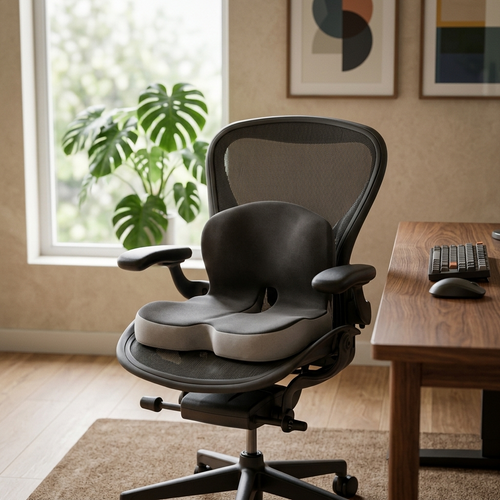
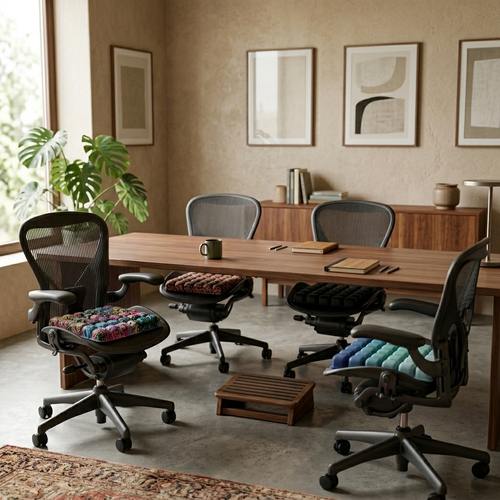
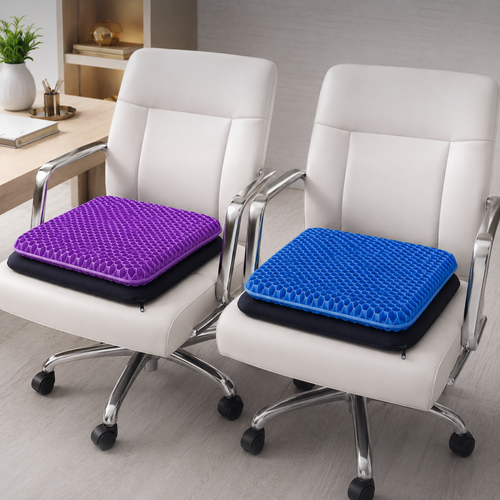
Your chair is likely the most used tool in your office. If it isn't quite right, you don't need to replace the whole thing immediately. Add lumbar pillows or seat cushions to provide the specific support your lower back needs. These are small objects that earn their place by improving your circulation and reducing the fatigue that sets in by mid-afternoon. Don't overlook your feet. A foot rest helps maintain a proper angle for your legs, preventing that restless feeling during long video calls. These accessories can easily blend into your room's aesthetic if you choose neutral tones and functional materials. It's about building a space that feels like yours while respecting the physical reality of sitting for hours. When you equip your space with these tools, you're making a long-term investment in how you feel at the end of the workday.
Choosing Desk Accessories That Earn Their Place
The workspace shapes the work. Equip it deliberately. It's easy to fall into the trap of "desk-scaping," where your surface becomes a gallery of objects you never actually touch. True home office decor focuses on the small objects that earn their place through daily interaction. If an item doesn't solve a problem or provide a specific tactile benefit, it's just a distraction. Your desk is your primary tool. Every inch of it should be optimized for the work you do. Building a space that gets used is more important than building one that just looks finished.
Selecting home office decor that manages the visual noise of technology is the first step toward a clear mental space. Cables, chargers, and loose devices create a sense of chaos that drains focus. By using specific organizational tools, you can soften the industrial feel of your tech and create a workspace that feels intentional rather than accidental. This isn't about hiding your life; it's about giving your professional tasks the room they need to breathe. When you remove the friction of a messy desk, you make it easier to start the workday.
The Essentials of Desk Organization
Cable management is the foundation of a clean desk. Use trays or clips to keep wires out of sight. When you remove the tangle of cords, you remove the feeling of being overwhelmed by your own equipment. A desk mat is another essential tool. It provides a tactile boundary for your keyboard and mouse, protecting your surface while defining your active work zone. To keep your devices within reach but out of the way, integrate tech stands for your phone or tablet. These small additions ensure your tools are accessible without cluttering your primary writing or typing area. It's about keeping the items you use most exactly where you need them.
Adding Personal and Natural Touches
Natural elements provide a necessary visual relief from the hard lines of monitors and hardware. Faux plants are a practical choice for a workspace. They offer the psychological benefits of greenery without the maintenance or the risk of water damaging your electronics. When selecting vases and accent pieces, choose items with simple, sculptural forms. These objects should add personality without creating a sense of crowdedness. Keep your personal items limited in number. One or two considered pieces are more effective than a collection of trinkets. This approach ensures your space feels like yours without compromising the order required for deep work. You want a room that feels lived in but remains ready for the task at hand.
How to Build a Cohesive Home Office Environment
A cohesive environment is the result of intentional choices rather than a single shopping trip. When you build your workspace, focus on consistency in materials to create a sense of calm. You don't need a professional designer to tell you that mismatched textures create visual friction. Instead, look for objects that share a common logic. This doesn't mean everything has to match perfectly. It means every piece of home office decor should feel like it belongs to the same story. Consistency reduces the background noise of a room, allowing you to focus on the task at hand.
Avoid the urge to buy everything at once. A room that is finished in a weekend often feels like a generic catalog. True ownership comes from equipping your space over time as you identify what your workday actually requires. Focus on quality equipment that will last for years. A solid desk lamp or a well-made monitor stand is an investment in your daily focus. By building slowly, you ensure that every object earns its place and serves a purpose. Your office should be a room that gets used, not just a room that gets looked at.
Selecting a Material Palette
Mixing materials is an effective way to add warmth to a tech-heavy room. Combine the natural grain of wood with the clean lines of metal for a grounded feel. You can use textures like felt or leather for desk mats or organizers to soften the environment. Coordinate your lighting finishes with your desk hardware. If you have matte black monitor arms, a matching black desk lamp creates a subtle visual link. This consistency reduces the cognitive load of a cluttered room, making it a space you'd choose to come back to every morning. When materials work together, the space feels considered and intentional.
The Ergovanta Approach to Workspace Design
At Ergovanta, we believe the workspace shapes the work. Our philosophy is rooted in the Ancient Greek ergon, meaning purposeful function, and vanta, which represents the advantage gained through a better environment. We design tools for the people who do the work. This means moving away from status symbols and toward intentional home office decor that supports your specific tasks. Whether you are a creator, a freelancer, or a student, your space should be a reflection of your own needs. Browse our best sellers to see how we prioritize utility alongside a clean aesthetic. We help you build a workspace that is personal, functional, and entirely yours.
Build the Workspace You Choose to Inhabit
The workspace shapes the work. Equip it deliberately. Building a functional environment requires more than just filling a room with furniture; it requires selecting objects that earn their place through daily utility. By layering your lighting to reduce eye strain and integrating ergonomic tools that respect your body, you create a station where focus happens naturally. Your home office decor should be a considered collection of tools made for the work, not a generic gallery of distractions.
Take ownership of your space one piece at a time. Ergovanta offers a curated selection of ergonomics and lighting designed for people who do the work, supported by national shipping across the United States. When every object is intentional, you don't just have an office; you have a sanctuary that supports your best output.
Start building a space that feels like yours. Your best work deserves an environment that supports it.
Frequently Asked Questions
How do I decorate a home office with a small footprint?
Focus on vertical space and multi-functional equipment to maximize a limited area. Use monitor arms to lift your screen and clear the desk surface for active tasks. Wall-mounted lights or monitor light bars replace bulky lamps that occupy valuable real estate. Choose small objects that earn their place instead of decorative items that offer no utility. By keeping the floor and desk surface clear, you make a small footprint feel intentional and highly functional.
What are the most important desk accessories for productivity?
The most important accessories are those that reduce physical friction and eye strain. A dedicated desk lamp is essential for focus, while a laptop stand or monitor arm ensures your screen is at a neutral height. These tools prevent the fatigue that sets in during long sessions. Additionally, a desk mat provides a tactile boundary for your work zone, helping you stay organized and mentally prepared for the tasks at hand.
How can I improve my home office lighting without windows?
You can improve a windowless space by layering different light sources to mimic natural depth. Combine a neutral overhead light with a focused desk lamp for task work. Add a floor lamp or wall lights to illuminate dark corners and reduce the "cave" effect. This variety prevents the flat, harsh glare often found in windowless rooms. Using light bars on your monitor also helps neutralize screen brightness, protecting your eyes during deep work.
Is it better to have a minimalist or a maximalist home office?
It's better to have an intentional workspace regardless of the specific aesthetic style. Minimalism works if visual clutter distracts you, while a more populated space can feel grounded if every object has a purpose. The goal isn't to follow a design trend but to build a room that supports your specific output. Whether you choose few items or many, ensure every piece of home office decor earns its place and doesn't hinder your workflow.
How do I choose the right color palette for a workspace?
Choose a palette that minimizes visual distraction while feeling personal. Neutral tones like grey, white, or navy provide a calm foundation that doesn't compete for your attention. You can add warmth through natural materials like wood, leather, or felt instead of using aggressive colors. This approach creates a cohesive environment that is easy to inhabit for eight hours. Coordinate your equipment finishes, such as your monitor arm and lamp, to maintain a streamlined look.
What is the best way to hide messy computer cables?
The best way to manage cables is to move them off the desk surface entirely. Use under-desk cable management trays to house power strips and excess cord length. For wires that must remain visible, use sleeves or clips to group them together into a single, clean line. Removing this visual noise is one of the fastest ways to improve your mental clarity and make your home office decor feel more considered and organized.
How do I make my home office feel more personal and less corporate?
Move away from generic office supplies and toward objects with character. Incorporate textures like a wood monitor stand or a felt desk mat to add warmth. Faux plants provide a natural touch that softens the hard lines of your technology. Personalize the space with a few sculptural accent pieces or a considered vase. The goal is to build a room that feels like yours through intentional ownership rather than following a corporate identity manual.
Should I prioritize ergonomics or style when choosing office decor?
You shouldn't have to choose between the two. The best workspace tools are those that provide purposeful function while maintaining a clean aesthetic. Prioritize how an object makes you feel after a full day of work. A supportive lumbar pillow or an adjustable monitor arm can be just as visually appealing as a decorative piece if you choose the right materials. Equip your space with items that support your body and your personal style simultaneously.
Disclaimer
Ergovanta publishes these guides to help people set up better workspaces. Product recommendations reflect what we sell. Specifications, prices and availability are accurate at the time of writing and may change. Nothing here is medical, ergonomic or professional advice; if you have a specific health concern about your workstation, speak to a qualified professional.
From the catalog