October 5, 2026
Solid Wood Standing Desk: How to Choose the Right Setup
The wood label can look clear and still tell you very little. A solid wood standing desk may suit your space beautifully, but the material alone won’t tell you whether the surface fits your equipment or adjusts to a comfortable working height.
It makes sense to want a desk that feels considered and lasts in your everyday setup. It’s also easy to mistake veneer or a wood-look finish for solid construction, then discover the desk doesn’t work as well as it looks. Choose for the work you do, not just the label.
This guide explains what to look for in wood construction, how to think through desk size and standing height, and when a complete standing desk makes more sense than a converter for your existing desk. You’ll also learn how to weigh everyday details, from equipment fit to seated comfort, so the setup feels like yours and earns its place in the room.
Key Takeaways
- Learn how solid wood differs from veneer and wood-look finishes, so the material label tells you more than it hides.
- Measure your room and map out your equipment before settling on a desktop size or adjustment range.
- Compare a complete standing desk with a converter by considering your existing desk, available space, and daily routine.
- Use the same checklist to assess construction, finish, equipment fit, and everyday usability across desk options.
- See how a walnut-finish converter can suit a setup where keeping your existing desk makes sense.
Solid Wood Standing Desks: What the Material Label Actually Tells You
Choosing wood and choosing a complete standing desk are two different decisions. A solid wood standing desk describes a material claim, not whether the desk fits your room, equipment, or preferred working height. Treat the material as one part of the setup, not the whole decision.
A solid wood furniture piece is made from components of solid timber, rather than a wood layer or wood-look surface over a different core. That doesn’t mean every part of a desk must use the same material. The desktop, frame, and other major components can have different constructions. The phrase standing desk covers a range of desk formats, so construction details help clarify what a specific product actually is.
For another perspective on the topic, watch this video:
Solid wood, veneer, and wood-look finishes: how they differ
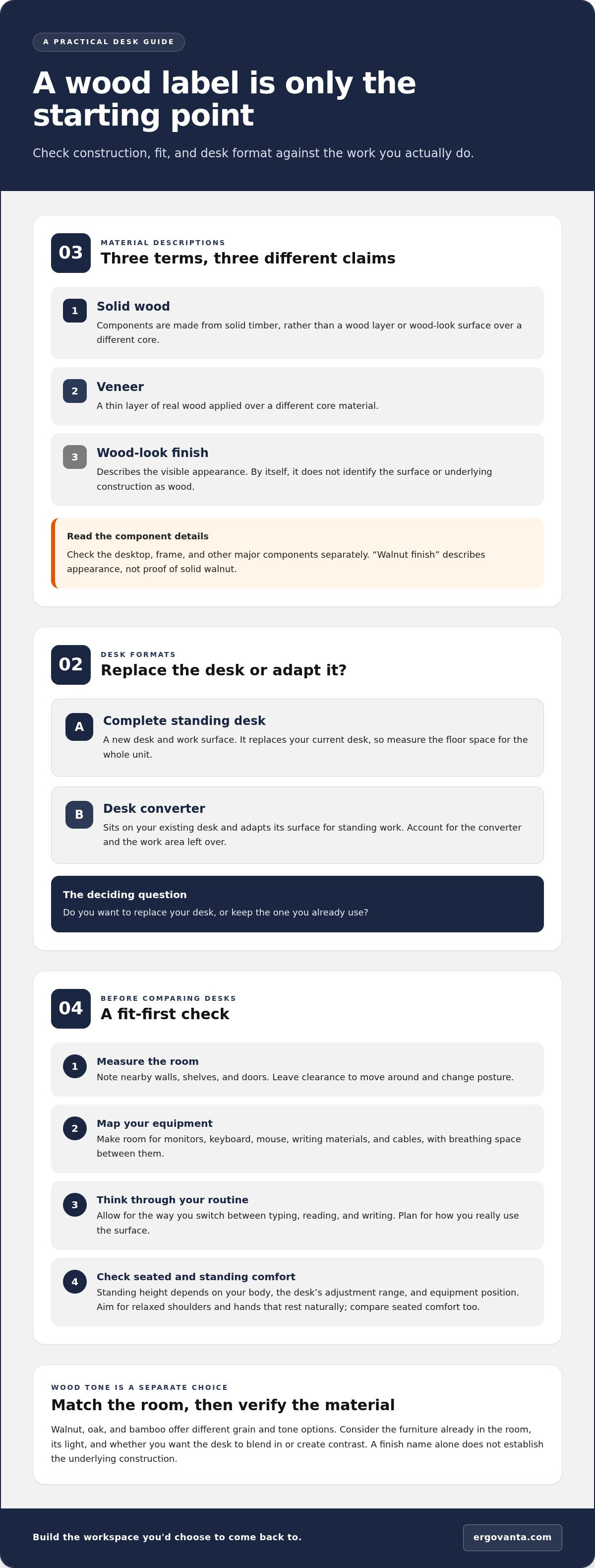
Read the material terms literally. Solid wood refers to components made from solid timber. Veneer is a thin layer of real wood applied over a different core material. A wood-look finish describes the visible appearance, but doesn’t by itself tell you that the surface or the structure is made from wood.
These descriptions aren’t interchangeable. A desk could use solid timber in one component and other materials elsewhere. Veneer can show a real wood surface while its core is another material. A wood-look finish may imitate grain without identifying the underlying construction. The label is a starting point; the component-by-component description gives you the useful detail.
Read a desk material description with care
Look for separate information about the desktop, frame, and other major components. If a description names walnut, oak, or another wood, check whether it’s identifying the material itself or simply the finish. “Walnut finish” describes appearance; it isn’t proof that a product is made from solid walnut.
That distinction applies to formats beyond a complete desk. The Riser is a height-adjustable, dual-tier standing desk converter with a walnut finish. It sits on an existing work surface, and its finish shouldn’t be mistaken for a claim that the converter is solid wood. Ergovanta’s wood material collection brings together walnut, oak, and bamboo forms, offering a considered way to bring wood into your workspace. Start with what each description says, then decide whether the material and desk format suit the work you do.
How to Match Wood, Desk Size, and Height to Your Work
A desk can fit the room and still feel cramped by lunchtime. Match the wood and dimensions to the work you actually do, then consider how the desk will feel at both sitting and standing heights. A solid wood standing desk is a better fit when its surface and adjustment range suit your setup, not just because its material sounds right.
Use this sequence before comparing options: measure the room, list the equipment that needs a place, think through how you work, then compare desk formats. A general overview of standing desk designs is available at wikipedia.org, but your room and routine should make the final call.
Measure the workspace before comparing desks
Start with the space available for the desk. Note nearby walls, shelves, and doors, and leave enough clearance to move around and change posture without turning the area into an obstacle course. Then list what needs to stay on the desktop: monitors, keyboard, mouse, writing materials, and cables. A useful tabletop has room for these essentials and some breathing space between them.
Desk fit depends on both the space you have and the equipment you use. Check the listed tabletop dimensions against your full setup, not an imaginary tidy version of it. Consider your habits, too. If you switch between typing, reading, and writing, leave room for each activity. If you rarely clear the surface, plan for that honestly.
Standing height isn’t a universal number. It depends on your body, the desk’s adjustment range, and how your equipment is positioned. At your preferred standing height, aim for a setup that lets your shoulders feel relaxed and your hands rest naturally while you work. Compare how the desk feels seated as well, especially if you’ll alternate positions throughout the day.
Choose a wood tone and grain for your room
Once the practical fit is clear, consider the visual one. Walnut, oak, and bamboo offer distinct grain and tone options in the wood collection. Look at the furniture already in the room, the light it gets, and whether you want the desk to blend in or create contrast. There’s no universal best match. Choose the finish you’ll be glad to see during an ordinary workday, not only in a product photo.
For a closer look at wood options for your space, explore the wood material collection. Then compare formats using your measurements and routine. A well-chosen surface should make room for the work without asking the room to rearrange itself around the desk.
Solid Wood Standing Desk or Converter: Which Setup Makes Sense?
The choice isn’t simply between standing and sitting. It’s whether you want to replace your desk or adapt the one you already use. A complete standing desk gives you a new desk and work surface; a converter sits on top of an existing one. Neither format suits every room or routine. Start with what you want to keep.
| Consideration | Complete standing desk | Desk converter |
|---|---|---|
| Footprint | Replaces the current desk, so measure the floor space for the whole unit. | Uses space on your existing desktop, so account for the converter and the remaining work area. |
| Existing desk | Best suited to a plan that includes replacing the current desk. | Lets you keep your current desk and adapt its surface for standing work. |
| What changes | You choose a new desk and organize your equipment around its surface and height. | You place a raised work surface on the desk and arrange equipment on the converter. |
When a complete standing desk may fit the plan
A complete desk makes sense if you’re ready to choose the work surface, material, and standing setup together. Consider the room dimensions, your equipment, and the wood construction you want as one decision. That can make it easier to plan a cohesive workspace from the start, especially if your current desk no longer fits the way you work.
Think through both seated and standing use, along with where monitors, keyboard, mouse, and other everyday items will go. The aim is a desk that fits your room and supports the work, not a new centerpiece that crowds everything else out.
When a sit-to-stand converter may be the practical choice
If your current desk works well and you want to keep it, a converter offers another route. It sits on the existing work surface, so check that there’s room for the converter and the equipment you use. It also changes the height and layout of the area where you work, which may affect how the setup feels when seated.
The Riser is a 32-inch, height-adjustable, dual-tier standing desk converter with a walnut finish. It’s a converter, not a solid wood standing desk, and its finish describes its appearance rather than establishing its internal construction. Choose this format if keeping your current desk matters; choose a complete desk if replacing it is part of the plan. For general information about movement and health, visit cdc.gov.
A Solid Wood Standing Desk Buying Checklist: Fit, Finish, and Everyday Use
Compare desks using the same questions each time. A strong material label can catch your eye, but construction, fit, adjustment, and daily routine determine whether the setup works once it’s in your room.
Questions to answer before choosing
Use this checklist to compare a complete desk and a converter on practical terms:
- Construction: Does the description identify what the desktop, frame, and other major components are made from?
- Dimensions: Will the surface fit your room and leave space for your monitors, keyboard, mouse, writing materials, and cables?
- Adjustment: Can the desk reach a standing position that feels comfortable for you, and does the seated setup still work if you plan to alternate?
- Equipment: Can your everyday devices fit without taking over the entire work surface?
- Finish: Does the description name a wood construction, or only a finish that gives the product a particular look?
- Daily routine: Will the setup replace your current desk or adapt it? Consider how you’ll use the space throughout a typical workday.
Check product materials and desk format separately. A description may state a wood finish without identifying solid wood construction, and a standing desk converter isn’t the same format as a complete standing desk.
Mistakes that can make a desk feel wrong
Appearance matters, but choosing by looks alone can leave you with a surface that doesn’t fit your room or your equipment. Measure first, then compare the dimensions with the items you actually use. Leave space for the way you work, not just the way a styled product photo looks.
Common mix-up: A walnut finish doesn’t mean an item is made from solid walnut. Finish describes appearance; construction describes what the components are made from. Keep those claims distinct as you compare product descriptions.
Also avoid expecting a converter to function exactly like a complete desk. A converter adapts an existing work surface, while a complete standing desk replaces it. The right fit depends on whether you want to keep your current desk and how much space your work needs.
Use the same checklist for every solid wood standing desk you consider. That makes it easier to compare construction and format without letting one appealing label make the decision for you.
Build a Wood-Focused Standing Desk Setup That Feels Like Yours
Choose the construction and desk format around the work you do. A solid wood standing desk may be the right foundation if you want a complete desk, while a converter can make sense if your existing desk already earns its place. Start with the main surface. Add the smaller objects only after you know what the setup needs to do.
A considered setup starts with the pieces you use
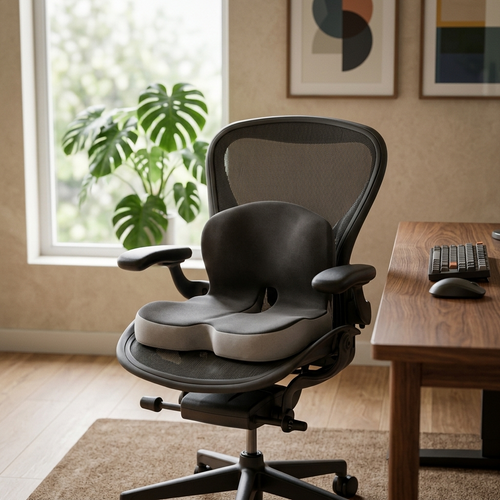
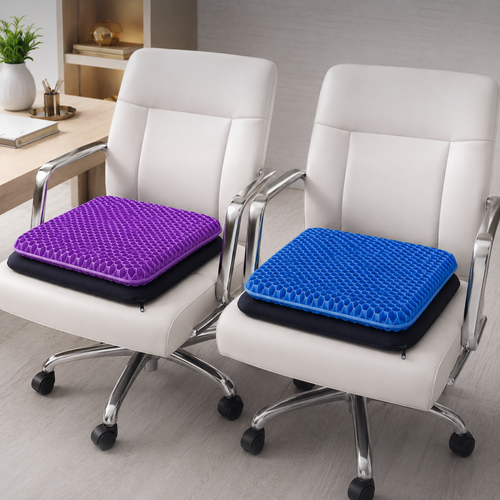
Think about your everyday work before choosing accessories. If you use multiple screens, plan for their placement and leave room for the keyboard, mouse, and notes you reach for. Monitor and laptop stands can help organize screen placement, while comfort accessories may support the way you sit or shift positions. Choose each piece for a reason. A desk doesn’t need a supporting cast of objects that just happen to match.
Wood can help bring a workspace together without requiring every item to share the same tone. Walnut, oak, and bamboo offer distinct visual options among the wood forms in the collection. Pick a material and finish that work with the room, then let a few useful details complement them. Coherence is not the same as making every surface look like it came from one very enthusiastic tree.
If you’re keeping your current desk, the Riser is a 32-inch, height-adjustable, dual-tier standing desk converter with a walnut finish. It gives you a way to add a standing option while retaining your existing work surface. Its walnut finish describes its appearance, not a claim that it’s made from solid wood.
Explore wood options and choose your next step
Build around the work first, then choose the material and format that fit your space. The wood material collection includes walnut, oak, and bamboo forms, not all of them desks. Browse with your room, routine, and intended use in mind. The goal is a workspace that feels personal, functions well, and gets used every day, not one that looks finished but makes the work harder.
Explore the wood material collection
Build a Setup That Works for You
A solid wood standing desk is only the right choice if its construction, dimensions, and adjustment suit your space and routine. Check what the desktop and frame are made from, measure for the equipment you use, and decide whether you want a complete desk or a converter for your existing work surface.
Keep material and appearance distinct. A walnut finish describes a look, not necessarily solid walnut construction. The Riser is a height-adjustable, dual-tier standing desk converter with a walnut finish, an option for adapting a desk you already use. The wood collection also features walnut, oak, and bamboo forms, so you can choose the material tone that feels at home in your room.
Build around the pieces that make your work easier. Let the essentials earn their place, and leave room for the way your day actually unfolds.
Your workspace doesn’t need to look like anyone else’s. Choose deliberately, make it yours, and build a setup you’ll want to return to.
Frequently Asked Questions
What is the difference between a solid wood standing desk and a wood veneer desk?
A solid wood standing desk uses components made from solid timber, while a veneer desk has a thin layer of real wood over a different core material. The distinction can vary across a desk: its top, frame, and other parts may use different materials. Read the description component by component. Don’t assume that a solid wood claim about one part means the entire desk has the same construction.
Is a walnut-finish standing desk made from solid walnut?
No. A walnut finish describes the product’s appearance, not the material beneath it. Look for an explicit construction description that identifies what the desktop and frame are made from. For example, the Riser is described as a walnut-finish standing desk converter. That wording identifies its finish and format, but it doesn’t establish that it’s made from solid walnut.
Can I use a standing desk converter instead of buying a full standing desk?
Yes. A converter can adapt an existing desk if you want to keep its work surface rather than replace it. A complete standing desk is a different format, with its own surface. Compare your available space, equipment, and how you’d like to shift positions during the day. The Riser is a height-adjustable, dual-tier converter with a walnut finish, designed for an existing desk setup.
How do I choose the right size standing desk for my setup?
Measure the floor space available, then note the room your monitors, keyboard, mouse, and other work materials need. Consider whether those items must remain in place when you raise the desk. Compare your measurements with the dimensions and adjustment information provided for each option. Choose a surface that supports your actual routine while leaving room to move around, rather than crowding the workspace.
Are solid wood standing desks worth considering for a home office?
A solid wood standing desk may suit you if you value the look and feel of natural wood and find a construction that matches your expectations. Compare the material description, dimensions, adjustment information, and fit for your equipment. Don’t decide by the label alone. A desk earns its place when its construction and format suit your room and your everyday work routine.
What should I check before buying a wood standing desk?
Check what the desktop and frame are made from, then review the desk dimensions, adjustment information, and room for your equipment. Distinguish solid wood construction from veneer and wood-look finishes. Decide whether you need a complete desk or a converter for an existing one. Then consider how the wood tone will sit in your room. Function first; a perfect visual match can wait.
Disclaimer
Ergovanta publishes these guides to help people set up better workspaces. Product recommendations reflect what we sell. Specifications, prices and availability are accurate at the time of writing and may change. Nothing here is medical, ergonomic or professional advice; if you have a specific health concern about your workstation, speak to a qualified professional.
From the catalog