October 22, 2026
How to Create a Cozy Reading Nook with Layered Lighting
A chandelier can make a built-in reading nook feel like a room within a room. Creating a cozy reading nook with lighting starts with a quiet spot, comfortable seating, and layered light: use a chandelier for ambient illumination, then add a warm lamp that directs light onto the page.
A good reading corner feels inviting before you even open a book. An armchair, a soft throw, and a small surface for your book make it practical, while thoughtful lighting keeps it useful from daylight through evening.
Learn how to choose a spot, pair an armchair with layered textures, and balance a chandelier or other ambient lighting with focused reading light. The goal is a personal corner that feels settled, suits your reading habits, and earns its place in the room.
Key Takeaways
- Choose a quiet corner, ideally near a window, and give it a clear purpose with books, artwork, or a plant.
- Build comfort with an armchair, supportive cushions, and a mix of soft textures that suit your space.
- Layer warm ambient light with a focused lamp so the nook feels inviting and pages stay easy to see.
- Use adjustable architectural lighting beside the chair to direct light where you need it without relying on overhead light alone.
- A chandelier can add ambient light to a built-in nook, while a separate reading light handles the close-up work.
1. How do you create a reading nook?
Start with a quiet corner, then decide what will make it feel like yours. A window alcove, bedroom corner, or spot beside the fireplace can become a reading nook with a chair, a place for books, and lighting suited to the room. Keep it clear of busy household paths. A small table or shelf gives your book a home between chapters.
For practical ideas on combining ambient, task, and accent lighting, watch this video from Tara Talks Design:
Choose colors to create the mood you want in your living space. Cream, soft green, or muted blue can keep a small corner visually calm; rust, ochre, or deep green can make an alcove feel more enclosed. Repeat one color in a cushion, book cover, or artwork so the nook feels connected to the room, not like a chair that wandered off.
Built-in shelves and alcoves provide useful boundaries. Place a bench or compact armchair inside the recess, with the books you reach for nearby. A wall light or floor lamp can keep the seat-side surface free. For a cohesive look, echo the room’s existing wood or metal finishes rather than introducing several competing materials.
A fireplace gives a nook a natural focal point, but leave a clear route through the room. Angle an armchair toward the hearth, with a side table within reach. A rug can define the reading area, while a floor lamp provides light when the fire is out. Keep fabrics and cords away from heat sources, and follow the lamp and fireplace manufacturers’ instructions.
A view can do some of the decorating. Place a chair near a window if the layout allows, and use curtains to soften the edges without blocking daylight. A window seat pairs well with a supportive cushion and a nearby bookshelf. Add a reading lamp for cloudy afternoons and evenings, when natural light no longer reaches the page.
For lamps, cords, and outlets, follow the manufacturer’s instructions, use undamaged equipment, and route cords away from walkways and heat sources. Avoid overloading outlets, and place lamps on stable, level surfaces.
The cost depends on what your room already has and what you choose to add. Reusing a chair and shelf keeps the project focused on lighting or textiles; a built-in bench, new seating, or extra fixtures adds more components.
Let daylight handle daytime reading, then switch on a lamp as the room dims. Position the lamp to illuminate the page without shining directly into your eyes, and use general room light to soften the contrast around the book. A ceiling fixture or chandelier can provide that ambient layer, while a focused lamp supports close reading. Explore lighting options for layered illumination when planning the nook.
2. Reading corners with armchairs and layered textures
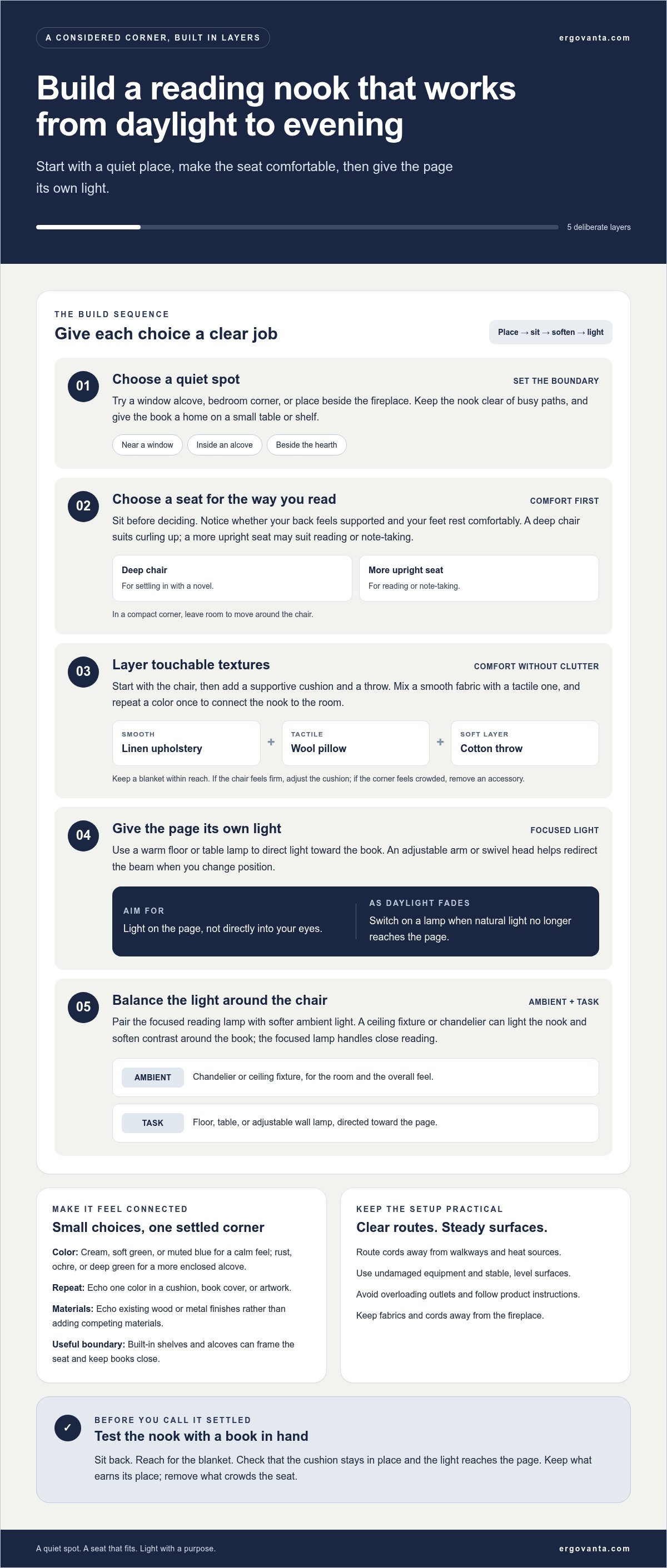
Choose an armchair that supports the way you read. Sit in it before deciding, and notice whether your back feels supported and your feet rest comfortably. A deep chair suits curling up with a novel, while a more upright seat may work better for reading or note-taking. In a compact corner, make sure the chair leaves room to move around it.
Build comfort in layers. Start with the chair’s upholstery, then add a cushion and a throw in a contrasting texture. For example, pair a linen-upholstered armchair with a wool pillow and a cotton blanket. The contrast keeps the corner from looking flat without requiring matching accessories. A lumbar pillow can add support if the chair’s back feels too open.
Use pillows for comfort and shape. One supportive cushion can make a firm seat more inviting; a smaller accent pillow adds color without taking over the chair. Try rust against a neutral armchair, or choose a subtle pattern that picks up a color from nearby artwork. Leave enough clear seat space to shift positions easily.
Keep a blanket within reach rather than folded away. Drape it over one arm or place it in a basket beside the chair. A chunky knit adds texture, while a light cotton throw suits a warmer room. If the chair has a strong pattern, choose a solid blanket. With a plain chair, a restrained stripe can add contrast.
Give the fabrics a simple relationship. Combine a smooth surface, such as linen, with a tactile material, such as wool, and a softer layer, such as a cotton throw. Repeat a color in two places, perhaps in the pillow and rug, to connect the nook to the rest of the room. A small side table keeps the book close without adding another fabric layer.
Before settling on the arrangement, test it with a book in hand. Sit back, reach for the blanket, and check that the pillow stays in place. If the chair feels too firm, adjust the cushion; if the corner feels crowded, remove an accessory. For a seat used throughout the day, a task chair may suit your reading habits better than an oversized armchair. Explore ways to get in touch about your setup if you’re considering how seating pieces fit your space.
Layering soft blankets and pillows can add warmth and texture to a reading nook, with the fabrics bringing softness as well as visual interest. A reading nook can be furnished with a chair upholstered in soft fabric, linen window treatments, wool pillows, and a throw. These pieces can create a comfortable setting without requiring every surface to match.
Comfortable seating, such as a plush armchair or cozy ottoman, can make a reading nook more inviting. Finish the space with a small side table, drapery, a rug, or a throw. Choose additions that suit the available space and keep the seat easy to approach, so the corner feels welcoming rather than overfilled.
3. Warm lighting for nighttime reading
Choose a warm light source that still makes the words on the page easy to see. A floor lamp beside the seat or a table lamp on a nearby surface can direct light toward your book. An adjustable arm or swivel head makes it easier to redirect the beam when you change position.
A practical approach to creating a cozy reading nook with lighting is to give each light source a distinct job. Use a focused lamp for the page, then add softer ambient light to reduce the contrast around the chair. This keeps the room inviting without asking one bright overhead bulb to do everything.
The shade shapes the glow. Linen, cotton, and silk shades diffuse light, while heavier, opaque shades direct more light downward. A drum shade spreads light broadly; a conical shade creates a more focused beam. Choose according to whether you want light across the seating area or mainly on your book.
Brightness matters as much as atmosphere. Aim the shade at the page, not your eyes, and move the lamp if your hand casts a shadow. A dimmer lets you soften ambient light while keeping the reading beam useful. Test the arrangement after dark, when daylight no longer fills the room.
Affordable improvements can start with what you already own. Move a table lamp closer to the chair, add a compatible dimmer, or reposition a floor lamp to serve as the main reading light. The best adjustment depends on the nook’s layout and whether you need more light on the page, across the room, or both.
Renters can layer light without hardwiring by using plug-in floor and table lamps. Place a floor lamp beside the chair, then add a small lamp on a nearby surface. Route cords along the wall and away from walkways. This keeps the setup practical without making permanent changes to the room.
For balanced lighting, keep the task beam on the book and use a softer source to illuminate nearby surfaces. A wall light can add an accent layer, while a floor lamp can provide broader illumination. Adjust each source from your usual seat; a small change in angle can reduce glare and distracting shadows.
Creating a cozy reading nook with lighting works best when the layers complement one another. Start with a focused lamp, then add warm ambient or accent light only where the corner still feels dim. The result should make reading comfortable while keeping the surrounding room calm.
4. Architectural lighting beside an armchair
Architectural lighting can give an armchair a deliberate pool of light without relying on a single ceiling fixture. Consider a wall sconce beside the chair, a slim floor lamp behind it, or a pendant above a nearby table. The best fit depends on the room’s layout, available outlets, and whether you want focused reading light or broader ambiance.
A floor lamp is flexible beside an armchair because it can stand close to the seat without altering the wall. Choose an adjustable arm or swivel head, then direct the beam toward the book. A wall light saves floor space and can define an alcove. A table lamp works well when a side table is within reach. A pendant usually suits general illumination better than close reading, unless its shade directs light onto the page.
Position matters more than visual symmetry. Sit in your usual reading posture, then place the light slightly behind or beside your shoulder. Aim the beam at the open book, not your eyes or a glossy page. If your hand creates a shadow, move the light to the other side or adjust its angle. Test the placement while reading: an arrangement that looks balanced across the room may not work from the chair.
Let the furniture guide your fixture choice. A chaise needs a light that reaches the reading position along its length, while a compact armchair can sit beside a wall sconce. If an ottoman changes where your legs rest, check the lamp’s reach from that position too. Keep the fixture clear of the route around the seat, especially where its base or cord could become an obstacle.
Architectural details can also help the nook feel connected to the room. Match a wall light’s finish to a nearby shelf bracket, or repeat a shade material beside a chair upholstered in textured fabric. In a built-in alcove, a wall-mounted fixture can frame the seat and keep the side table free for a book. Choose one visual detail to repeat; the light does not need to match every object in the room.
Before settling on a fixture, check how its light falls on the chair, book, and nearby wall. A focused beam supports reading, while a softer second source can reduce stark contrast around the seat. If the armchair is in a shared living room, direct the reading beam inward so it doesn’t spill across the whole space. Make one adjustment at a time, then read a few pages in the actual setup.
5. Chandelier lighting in a built-in nook
A chandelier can give a built-in reading nook a clear sense of place. In a living room, it can mark an alcove as a destination rather than leftover space. In a bedroom, it can make a tucked-in bench or reading corner feel intentional. Treat it as the ambient layer, not the only light you need for reading.
Start by looking at the nook’s shape and ceiling. A chandelier centered over a built-in bench can spread general illumination across the seat and nearby shelves. In a narrow alcove, choose a fixture that doesn’t interrupt movement or compete with the built-in’s lines. Check the view from the doorway, the seat, and the room’s main walkway before settling on its position.
Next, consider how the fixture relates to the rest of the room. A simple chandelier can balance detailed shelving, while a sculptural shape can give a plain alcove a focal point. Repeat one material or finish elsewhere, such as on a shelf bracket or nearby table. In a home library, that small connection helps the nook feel part of the room’s design.
Use the chandelier for overall room lighting, then add focused light beside the reader. A wall light or floor lamp can direct light toward an open book while the chandelier illuminates the seat and surrounding shelves. This pairing is especially useful when the built-in is away from a window or the nook is used after dark. Give each source one clear job.
Test the lighting from the actual reading position. Sit on the bench or chair, open a book, and notice whether the chandelier shines into your eyes or leaves the page dim. Adjust the seating position or use a separate reading lamp to direct light onto the book. A chandelier with a diffusing shade can soften the ambient layer, while a focused lamp handles close reading.
Finally, edit the nook around the fixture. Keep the shelves orderly, display a few meaningful objects, and add a cushion or throw that connects with the room’s palette. A built-in nook already has structure; a chandelier, reading lamp, and a few personal details may be enough. Let the chandelier define the nook, and rely on a separate task light for the page.
Recessed lights, chandeliers, or large pendant lights can provide general illumination in a reading nook. Consider which option suits the nook’s layout and the role you want the fixture to play. A built-in bench gives the seating area a clear outline, while an armchair beside a fireplace, a chaise with a window view, or a loveseat with pillows can also define a comfortable place to read.
Let the seating and overhead light work together without crowding the nook. Keep the seat easy to approach, and consider how the fixture looks from the rest of the room. If the layout changes, revisit the light’s position so the seating area remains the focus and the general illumination serves the space as intended.
Ergovanta: desk lamps
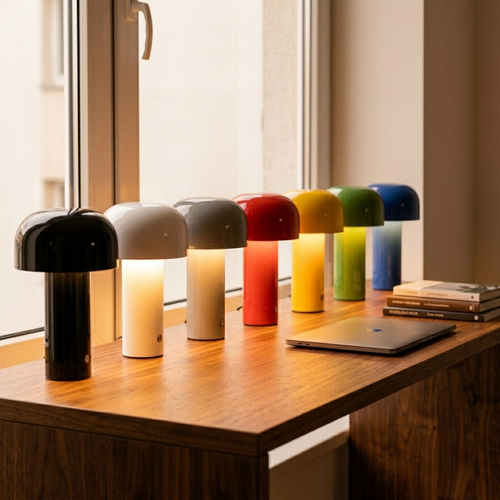
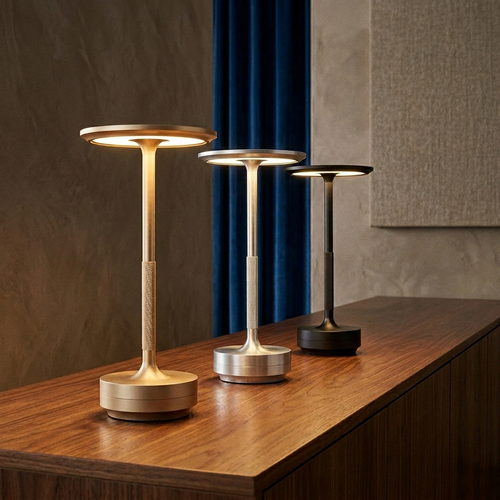
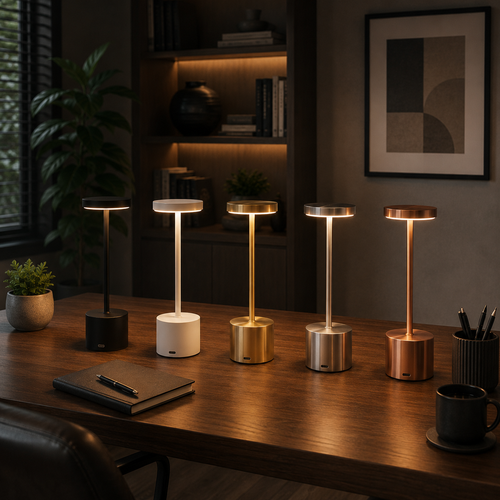
Ergovanta offers desk lamps for focused light beside a reading chair or built-in nook. Choose one when overhead lighting sets the room’s mood but leaves the page dim. A desk lamp can sit on a nearby table, keeping reading light within reach without changing the room’s broader lighting plan.
For a different layout, consider a floor lamp beside the armchair, a wall light near an alcove, or a ceiling light for general illumination. Each option can support a different lighting layer, so choose based on the nook’s available surfaces and where you need light to fall. The right fixture is the one that works in your space.
Explore lighting for your reading nook, or contact Ergovanta to continue planning your setup.
Make the corner yours
Let your reading nook evolve with your routines. Start with the light you need most, then adjust the space as you notice what works during a quiet morning or a late chapter. Creating a cozy reading nook with lighting is an ongoing process, not a one-time styling project. Keep what earns its place, and move what doesn’t.
When you’re ready to plan the lighting, explore Ergovanta’s desk lamps, floor lamps, and wall lights for different nook layouts. A desk lamp can focus light on the page, while a floor lamp or wall light can complement the room’s existing illumination. Choose the layer that solves the gap you actually have.
Build the corner around the way you read, not the way a showroom arranges a chair. A good nook is one you’ll return to, book in hand.
Frequently Asked Questions
How do you create a reading nook?
Choose a spot you can use without rearranging the room each time, such as an unused corner beside a bookcase. Keep essentials within reach: reading material, a place to rest your drink, and a light suited to evening use. In a shared living room, angle the chair away from the television or a busy walkway. Try the layout for a few reading sessions, then move anything that interrupts your routine.
How much does it cost to create a reading nook with lighting?
The cost depends on what your room already has and what you choose to add. Reusing a chair and shelf keeps the project focused on lighting or textiles, while a built-in bench, new seating, or additional fixtures adds more components.
Disclaimer
Ergovanta publishes these guides to help people set up better workspaces. Product recommendations reflect what we sell. Specifications, prices and availability are accurate at the time of writing and may change. Nothing here is medical, ergonomic or professional advice; if you have a specific health concern about your workstation, speak to a qualified professional.
From the catalog