June 26, 2026
How to Make a Home Office Look Professional Through Intentional Design

A professional workspace isn't defined by a corner office; it's defined by the work that happens inside it. With 52% of remote-capable employees now working in hybrid arrangements, the home office is no longer a temporary experiment. If you spend serious hours at a desk, the room around it matters more than you think. Learning how to make a home office look professional is less about chasing status and more about taking ownership of your environment; to start your transformation with quality window treatments or wall finishes, you can check out Tremdecor.
We agree that your space should feel like yours, not a sterile cubicle or a cluttered afterthought. You deserve a room that stays out of your way while you do the work. This guide will show you how to build a workspace that looks intentional and feels ready for high-level tasks. For those seeking high-end inspiration, you can explore Residential Interior Design concepts from Pianta Design to see how professional expertise elevates a home environment. We will explore how to equip your room with layered lighting, ergonomic support that doesn't look like medical equipment, and the small objects that earn their place on your desk.
Key Takeaways
- Learn why layered lighting is the foundation of a workspace that works. Combine task lamps and monitor light bars to reduce eye strain and define your space.
- Discover how to make a home office look professional by focusing on intentionality rather than just hiding the clutter.
- Equip your desk with tools that earn their place. Use monitor stands to bring your screen to eye level and reclaim valuable surface area.
- Build a workspace you actually want to come back to. Incorporate objects like faux plants to add texture and vitality to your daily environment.
Lighting as the Anchor of a Professional Workspace
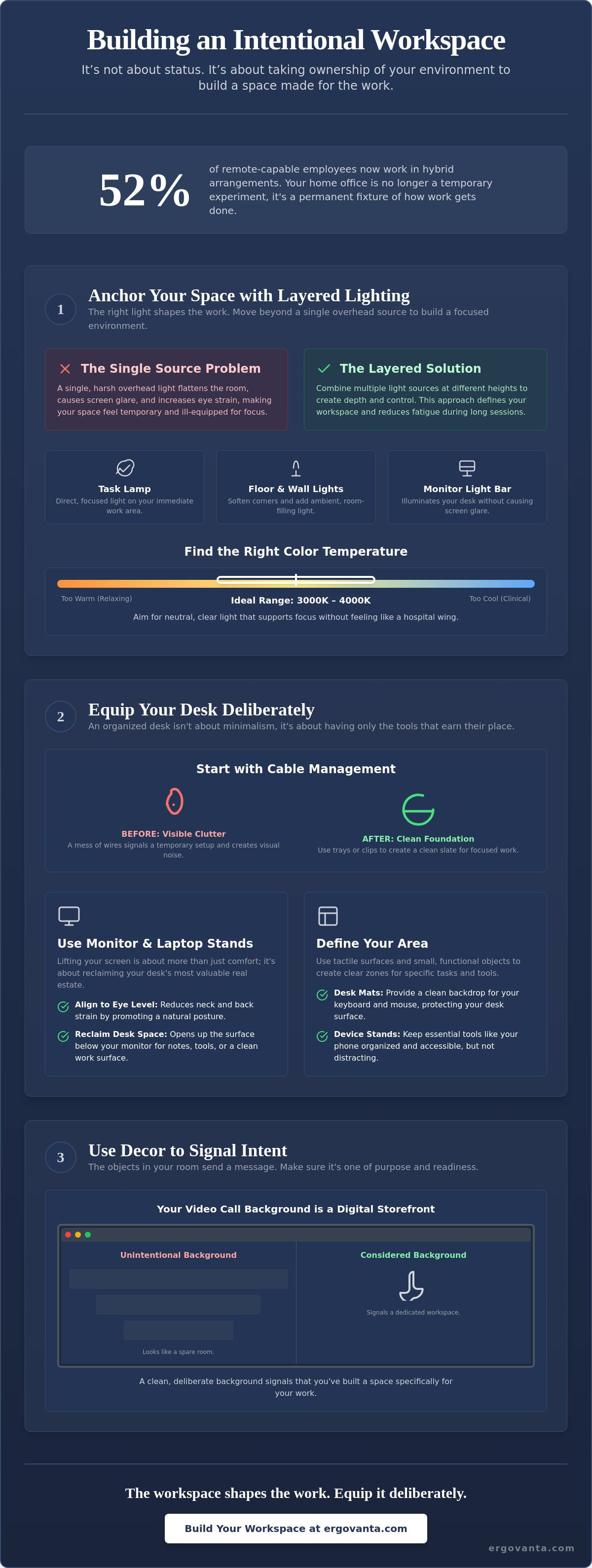
The workspace shapes the work. Equip it deliberately, starting with how you see it. Most guides focus on expensive furniture, but lighting is often the missing piece in office space planning. If you want to know how to make a home office look professional, you have to look at the shadows. A single overhead light flattens the room and makes it feel like a temporary cubicle. Instead, build depth through layered lighting. Combine a focused task lamp with ambient floor lights and a monitor light bar to create a workspace that feels intentional.
Color temperature dictates the mood of the room. Aim for the 3000K to 4000K range. This provides enough clarity for focus without the clinical, blue-tinted glare that makes a room feel gloomy. For those who spend hours on video calls, positioning matters. Place your primary light source in front of you or slightly to the side. This eliminates the harsh shadows on your face and signals that you're ready for the work. It is a simple change that makes the difference between a dark corner and a room made for the work. For those looking to elevate their space even further, LED Artistry offers custom architectural lighting solutions that can transform a standard home office into a sophisticated, professional environment.
The Role of Task Lighting and Desk Lamps
A considered desk lamp anchors the workstation and defines the primary focus area. It's a small object that earns its place by directing light exactly where the work happens. Choose models with adjustable arms. This allows you to pivot the light for different tasks, whether you're sketching on paper or reviewing a physical document, without cluttering the entire desk. It provides a sense of purpose to the surface where you spend your most productive hours.
Using Floor and Wall Lighting for Depth
Avoid harsh overhead lights that flatten the room. Instead, use floor lighting to soften corners and create a sense of scale. Wall lights can also act as accent pieces that signal a room that actually gets used. By spreading light sources across different heights, you make the space feel like a deliberate part of your home rather than a spare corner where a desk happened to land. This layering is the secret to how to make a home office look professional while maintaining a sense of personal ownership.
Organizing the Desk with Considered Tools and Ergonomics
The desk is where the work happens. Equip it deliberately with tools that earn their place. Many people think how to make a home office look professional requires a total furniture overhaul, but the reality is simpler. It's about the intentionality of the objects you touch every day, for instance, a professional might choose a high-quality fountain pen from HouseResort Stationery to bring a sense of craft to their notes. Start with the invisible foundation: cable management. A mess of wires signals a temporary setup. Use trays or clips to hide the clutter. This creates a clean slate for a room made for the work.
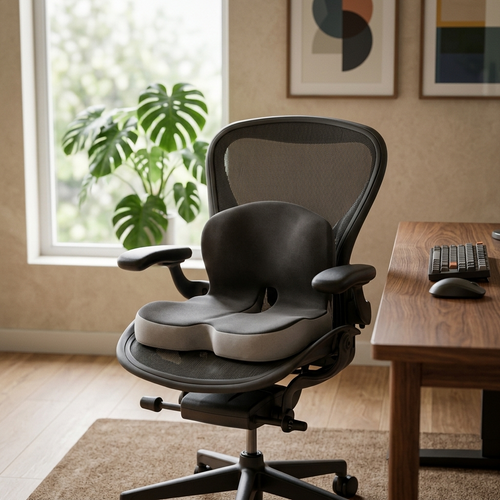
Ergonomics should not feel clinical or look like medical equipment. It's about how you actually feel in your space. According to research on ergonomic conditions, your setup should support your body without turning your home into a hospital wing. Choose accessories that blend function with a neutral aesthetic. If you spend serious hours at a desk, these small adjustments prevent the physical fatigue that can make a long day feel even longer.
The Utility of Monitor and Laptop Stands
Bring your screen to eye level. Using monitor stands or arms does more than just help your neck; it reclaims desk real estate. By lifting the display, you open up the surface for other considered tools. This creates a streamlined profile that looks intentional on camera and feels organized while you work. It's a functional choice that removes the visual noise of a bulky monitor base and signals you've built a space for serious focus.
Desk Mats and Tactile Accessories
A desk mat defines your workspace. It protects the surface and provides a clean backdrop for your gear. Pair this with small, functional objects like phone stands. These keep your essential tools within reach but organized, preventing them from drifting across the desk. If you're looking for more ways to build your space, you can reach out to our team for suggestions.
Using Decor to Signal Work and Ritual
The workspace shapes the work. Equip it deliberately by adding life and texture to the room. If you spend serious hours at a desk, the room around it matters more than you think. When considering how to make a home office look professional, your background on video calls is your digital storefront. Use vases and accent pieces to create a professional frame that looks considered. A clean, intentional background signals that you've built a space specifically for the work, rather than just pulling up a chair in a spare bedroom.
Managing natural light is also key to a professional background, preventing screen glare and enhancing the room's aesthetic. To complete your workspace transformation, you can check out Axent Shutters Blinds & Shades LLC for custom interior window treatments like roller or cellular shades.
Current home office design trends suggest that the most effective workspaces blend functional tools with personal texture. It's about finding the small objects that earn their place. You aren't just decorating a room; you're equipping an environment that supports both your focus and your eventual transition away from the desk. This balance is what makes a workspace feel like one you would choose to come back to every morning.
The Impact of Greenery and Accent Pieces
Place faux plants in corners or on shelves to soften the hard lines of your monitors and tech gear. These add a sense of vitality and organic shape without the maintenance of a garden. Choose accent pieces that feel substantial and weighted. Avoid items that feel unconsidered or overly soft, as these can undermine the professional intentionality of your setup. Every object should feel like it was chosen for a reason.
For those looking to add a unique, modern touch to their decor, 3D Forge specializes in designer lighting and interior accents that can help define a sophisticated home office aesthetic.
The Ritual of the Bar Cart
A professional space is also a room for the person who does the work. Establishing a wind-down ritual is essential for anyone whose office is also their home. Equip your space with bar accessories like decanters and glassware. These act as functional decor during the day. In the evening, they signal the transition from work to rest. This ritual helps you close the day and reclaim your home once the work is done.
To create a truly restorative environment for your post-work ritual, you can find out more about quality sofas and furniture that combine refined with everyday comfort.
Build the Workspace You Choose to Come Back To
The workspace shapes the work. Equip it deliberately. You've seen that how to make a home office look professional isn't about chasing status symbols; it's about the intentionality of your environment. By layering your lighting, organizing with ergonomic tools that support your posture, and adding texture through considered decor, you build a room that is truly made for the work. This commitment to professional standards and environmental quality is also a hallmark of projects guided by Ekocentric, which specializes in green building certifications. It's about taking ownership of the space where you spend your most productive hours.
Our philosophy is built into our name. Ergo comes from the Ancient Greek for purposeful function in action, while Vanta is your professional advantage. We provide considered tools for those who do the work, ensuring every object on your desk earns its place. When your space feels intentional, you can focus on what matters most. Stop settling for a temporary setup and start building a room that supports your daily ritual.
For those looking to extend this intentionality to an outdoor workspace, you can find out more about how aluminum pergolas provide a durable and professional structure for working in the fresh air.
Equip your workspace for the work you do. Shop Ergovanta Essentials.
Frequently Asked Questions
How do I make my home office look professional on a budget?
You don't need a total furniture overhaul to understand how to make a home office look professional on a budget. Focus on high-impact, low-cost changes like cable management and intentional lighting. Swapping a harsh overhead bulb for a considered desk lamp or adding a monitor stand to reclaim desk real estate are affordable ways to signal that your space is made for the work. It is about choosing the small objects that earn their place through daily use, much like the meticulous sourcing standards practiced by Infinity Hotel Supplies to create professional atmospheres in the hospitality industry.
What is the best lighting color for a professional home office?
The best lighting color temperature for focus is between 3000K and 4000K. This range provides enough clarity to keep you alert without the clinical, blue-tinted glare that makes a room feel gloomy. If you spend serious hours at a desk, this neutral white light helps reduce eye strain. It ensures your space feels like a room made for the work rather than a sterile laboratory or a dark corner.
How can I hide messy cables on my desk?
Hide messy cables by using under-desk trays or adhesive clips to route wires along the legs of your desk. Cable management is the invisible foundation of a professional look; it removes the visual noise that makes a workspace feel temporary. When you equip your desk with these considered tools, you reclaim your surface area and create a clean slate for the work that actually matters. A clear desk allows for a clear focus.
Does a professional home office need to look corporate?
No, a professional space should never feel like a cold corporate cubicle. Learning how to make a home office look professional is about personal ownership and intentionality, not mimicking a headquarters. Use texture, faux plants, and accent pieces to build a room you would actually choose to come back to. Even items like the refined bedside tables from atticahouse.com.au can be repurposed as elegant side storage or printer stands, adding a touch of sophistication that standard office furniture lacks. A space that feels like yours is a space where you can do your best work without the clinical baggage of a traditional office.
From the catalog