August 21, 2026
The Minimalist Buying Guide: Equip Your Space with Intention (2026)

The workspace shapes the work. Equip it deliberately. Most desks are crowded with objects that don't belong; they are visual noise that disrupts your flow and cables that clutter your focus. It's a common cycle to purchase low-quality items that fail just when you need them most. You deserve a minimalist environment that supports your output instead of a collection of distractions that demand your attention.
You already know that a clear desk leads to a clear mind. We'll show you how to select workspace objects that earn their place through reductive design and purposeful function. This guide breaks down the essential criteria for choosing tools that last, including a look at the BIFMA e3-2024 sustainability standards and the latest durability benchmarks. Learn how to build a streamlined workspace using considered tools like monitor light bars and laptop stands. We'll help you equip the rooms that get used, creating a space that provides calm and clarity every time you sit down to start your day.
Key Takeaways
- Understand how to remove friction by choosing objects that earn their place through purposeful function.
- Select tools based on considered materials and durable construction rather than low-quality alternatives that break.
- Equip your space with minimalist tools that clear your desk surface and help focus your attention.
- Identify which objects, from monitor arms to focused lighting, provide a genuine functional advantage for your daily tasks.
- Apply a structured workflow to strip away clutter and build a workspace you actually want to come back to.
What Is Minimalism in the Workspace?
The workspace shapes the work. Equip it deliberately. In a professional setting, minimalism is the strategic removal of everything that does not support the work. It is a decision to strip away friction, leaving only the tools that provide a functional advantage. While the broader concept of What is Minimalism? spans art and architecture, in your space, it's about clarity and intentionality. It's the difference between a desk covered in distractions and a surface built for focus.
This approach is characterized by reductive forms and single materials. When you choose a monitor stand or a desk lamp, you aren't looking for ornaments. You're looking for objects made from honest, durable materials like solid walnut or cold-rolled metal. These items don't shout for attention; they earn their place through quiet utility and lasting quality. By focusing on a minimalist aesthetic, you ensure that every object on your desk serves a purpose, reducing the cognitive load that comes with visual clutter. It is about choosing the few things that matter over the many that don't.
The Aesthetic vs. The Function
Visual simplicity should never come at the cost of utility. A desk that is completely empty might look good in a photo, but it isn't functional if you're constantly reaching into drawers for basic tools. True minimalism is about the objects that earn their place. We avoid positioning tools as "cute" or "fun" because those are temporary traits. Instead, we focus on items that are made for the work. If a tool doesn't help you finish a task, it's just more noise. The goal is to build a setup where the form of your equipment follows its function perfectly, ensuring your space remains a sanctuary for deep work.
Intentionality in Your Daily Build
Every item on your desk should have a defined purpose. When you equip your space, consider how an object shapes the way you work. A well-placed monitor arm doesn't just hold a screen; it clears the desk surface for physical documents or a notebook. A laptop stand isn't just a riser; it's a tool that helps you feel better during long hours of concentration. By being intentional with your minimalist selections, you build a room that gets used rather than a showroom that stays pristine. Equip your space deliberately today to avoid the inevitable creep of future clutter. This is how you create an environment that feels personal and functional.
How to Select Minimalist Objects That Earn Their Place
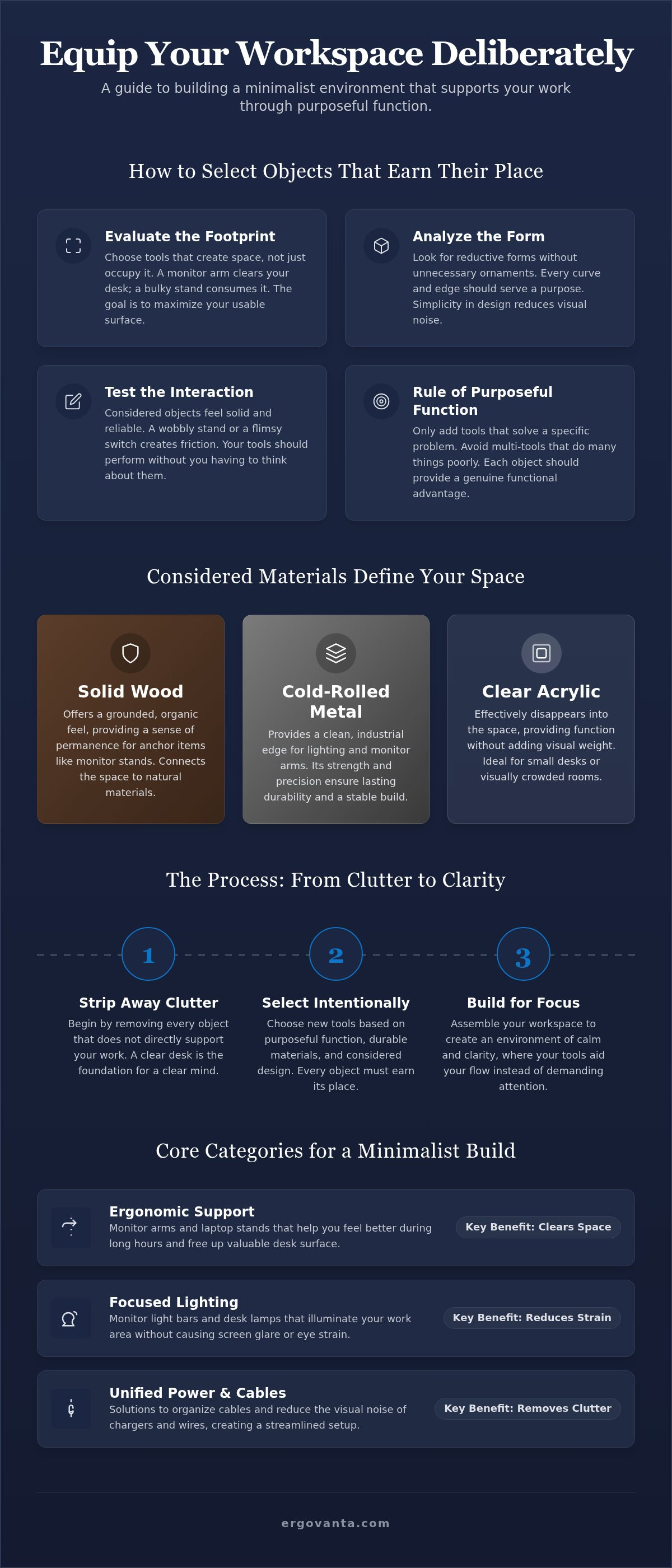
Selection is a discipline. To equip your space with intention, you must look past the surface. Every object you add to your desk either supports your flow or creates friction. Choosing minimalist tools requires a cold evaluation of utility. Start by checking the footprint. Does the object save space or merely occupy it? A monitor arm that clamps to the edge creates space; a bulky plastic stand consumes it. There are documented psychological benefits of minimalism in a workspace, specifically the reduction of stress that comes from a clear, predictable environment.
Analyze the form of every potential purchase. Are there unnecessary ornaments or features you'll never use? Test the interaction. How does the button on a desk lamp feel? How does the laptop stand react when you type? If it wobbles or feels flimsy, it hasn't earned its place. Durable, considered objects feel solid and reliable in the work. When an object is made for the work, you don't have to think about it; it just performs.
Materiality: Wood, Metal, and Acrylic
Material choice defines the atmosphere of your daily build. Solid walnut offers a grounded and organic feel, providing a sense of permanence for items like monitor stands that anchor your setup. Metal provides a clean, industrial edge for lighting and cable management. For small desks or crowded rooms, acrylic is an excellent choice. It effectively disappears into the space, providing function without adding visual weight to your environment.
The Rule of Purposeful Function
Only buy tools that solve a specific problem. A minimalist workspace is not a showroom; it is a workshop. Avoid multi-tools that claim to do five things but perform each one poorly. We believe in the Ergon philosophy, which focuses on purposeful function and giving the user a distinct advantage. You can learn more about this approach on our about us page. Focus on the small objects that earn their place and ignore the rest. If you are unsure which tools fit your specific workflow, you can talk to us about your setup.
Core Categories for a Minimalist Build
A functional build starts with a clear hierarchy of needs. A minimalist workspace is not about what is missing; it's about what remains. To create a space you'd choose to come back to, you must categorize your tools by their functional advantage. This ensures that every object earns its place through purposeful function rather than just filling a void on the desk. This approach supports our focus on ergon (purposeful function) and providing a vanta (advantage) for the people who do the work.
Lighting with Intent
Good lighting is the foundation of focus. You should choose lighting that targets the work area directly without causing glare on your screens. Single-source desk lamps provide a pool of light exactly where you need it, while wall lights can provide ambient clarity without consuming any desk real estate. If you need to define a specific zone in a larger room, floor lamps are an effective tool that doesn't add to your surface clutter. You can find specific options designed for these needs in our lighting collection.
Display and Ergonomic Support
Ergonomics is about how you feel during the work. Your screen should be at eye level naturally, preventing the neck strain that comes from hunching over a laptop or a low monitor. Monitor arms are essential because they clear the desk surface entirely, giving you back the room that standard plastic stands take away. Similarly, laptop stands should be stable and made for the work, providing a solid platform that doesn't bounce as you type. Explore different material options like solid walnut and metal in our collection of monitor and laptop stands.
Organization and Visual Rest
A clear desk is a clear mind. Use tech accessories and cable management tools to hide the tangle of wires that often disrupts focus. Small everyday objects, like minimalist wallets or phone stands, should have a designated home to prevent them from drifting across your workspace. This level of order reduces the visual noise that competes for your attention.
Finally, consider the role of decor. While minimalism favors function, your space still needs to feel human. Faux plants and sculptural accent pieces provide "visual rest." These are points in the room where your eyes can land to take a break from the screen. They aren't distractions; they are intentional additions that make the room feel like yours. By balancing these categories, you build a workspace that is both highly functional and personally grounding.
Standout Picks from the Minimalist Collection
The workspace shapes the work. Equip it deliberately. Choosing the right tools is a process of filtration; you are looking for the objects that earn their place through daily utility. In our minimalist collection, we prioritize items that solve specific problems without adding visual noise. A desk lamp should provide a thin profile and adjustable arms to direct light exactly where it is needed. A monitor arm is not a decoration; it is a tool for reclaimed territory. By prioritizing models with integrated cable management, you remove the tangled friction that usually lives behind your screen.
The Walnut Monitor Stand
A monitor stand should do more than just lift a screen. Our walnut stands are built from solid wood and metal, offering a grounded alternative to the hollow plastic found in corporate offices. This single piece of wood earns its place through durability and purposeful function. It provides the necessary height to keep your screen at eye level, which helps you feel better during long stretches of focus. These stands pair naturally with wool desk mats. This combination creates a tactile, intentional surface that defines your work zone. It is a build that feels personal and permanent, adhering to the ANSI/BIFMA X5.5-2021 standards for desk and table products to ensure it handles the weight of your hardware for years.
Minimalist Tech Accessories
Your tech should support your flow, not disrupt it. We focus on accessories that hide the infrastructure of your work. Wireless chargers should blend into the desk surface, providing power without the need for additional loose cables. Headphone stands provide a dedicated home for your gear, ensuring that when you're done with a call, your desk remains clear. To keep the floor as organized as the desktop, cable management trays are essential. They tuck away power strips and bricks, leaving your space feeling open and considered. These are the small objects that make a room feel like it was built for the person doing the work.
Even the smallest items matter. Minimalist wallets use reductive designs to hold only the essentials, preventing pocket clutter from migrating to your desk. To finish the space, faux plants offer a sense of life and visual rest. They provide the calming benefit of greenery without the maintenance clutter of soil, water, and falling leaves. Every pick in this collection is made for the work, ensuring your environment remains a sanctuary of productivity.
Building Your Space: From Clutter to Clarity
The workspace shapes the work. Equip it deliberately. If your current environment is a graveyard of old receipts and tangled cables, clarity will remain out of reach. Building a minimalist workspace begins with a total reset. Clear everything off the desk. Every single item. This isn't just about organization; it's about reclaiming the surface where your best ideas happen. When the desk is empty, you can finally see the space for what it is: a workshop for your professional output.
Now, add back only the objects you use every day. If a tool hasn't been touched in forty-eight hours, it doesn't earn its place on your primary surface. Evaluate each potential addition against the criteria we've established: is the material considered, is the form reductive, and does it provide a functional advantage? A monitor arm is an intentional choice that clears the desk; a stack of unused notebooks is just friction. Your space should be made for the work, containing only the small objects that earn their place.
Maintaining the Minimalist Environment
Building the space is only the beginning. You must defend it. Perform a weekly audit of your desk to ensure that clutter hasn't started to drift back into your flow. It's easy to be tempted by "desk toys" or items that look interesting but serve no purpose; these are visual distractions that compete for your attention. Focus on the rooms that get used. A workspace is not a showroom for others to admire; it is a sanctuary for your own productivity. If an object doesn't help you finish a task, move it or remove it.
Ready to Build Your Workspace?
The right tools provide a professional advantage that supports your daily ritual. By choosing items that reflect your own intentionality, you create a space you'd choose to come back to every morning. This isn't about status or corporate identity. It's about personal ownership of the environment where you spend your most valuable hours. Equip your space with minimalist tools that are as disciplined as your work ethic.
Browse the full Minimalist Style collection to find your next essential.
Build a Space with Purpose
The workspace shapes the work. Equip it deliberately. By moving from clutter to clarity, you've seen how a few minimalist tools can transform a room that gets used into a sanctuary of focus. We focus on ergon, the purposeful function of every object, ensuring that each of our 51 considered items provides a clear advantage for your daily tasks. Whether it's a monitor arm that reclaims your desktop or a walnut stand that puts your screen at a comfortable height, these choices reflect your own intentionality and ownership of your environment.
Designing a workspace is a discipline of filtration. It's about keeping only the objects that earn their place and stripping away the noise. We build these tools for the people who do the work, focusing on durable materials like solid walnut and metal that last through years of concentration. Your workspace should feel like yours, not a corporate showroom. It's time to build a room that supports your best output and provides a sense of calm every time you sit down.
Build a workspace you want to come back to. Shop the Minimalist collection here.
Frequently Asked Questions
What is the most important item in a minimalist workspace?
The foundation of your space is the desk surface itself. It is the territory where your work happens. Every other object you choose must support this surface rather than consume it. A high-quality desk or a standing desk converter allows you to define your work zone. By keeping the surface clear, you reduce visual friction and allow your focus to remain on the task at hand. It's about building a room that gets used effectively.
How do I hide cables in a minimalist setup?
You can hide cables by using dedicated management trays that mount under the desk. These trays house power strips and bulky bricks, keeping the floor clear. Additionally, prioritize monitor arms and laptop stands that feature integrated cable routing. This keeps wires tucked away behind the hardware. A truly minimalist setup isn't just about having fewer things; it's about making the necessary infrastructure invisible to maintain a sense of calm and order.
Can a minimalist workspace still be comfortable?
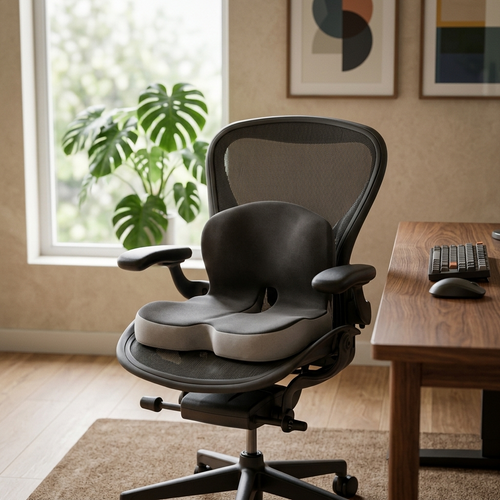
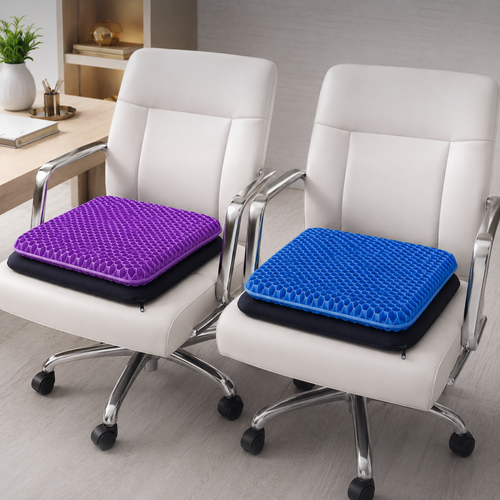
Comfort is essential for long hours of work and is fully compatible with this aesthetic. You don't need overstuffed furniture to feel better. Instead, equip your space with intentional ergonomic tools like mesh office chairs, lumbar pillows, and seat cushions. These items provide physical support without adding visual bulk. A foot rest or massage board can also improve how you feel during the day. Minimalism means choosing tools that earn their place through purposeful function.
What materials are best for minimalist desk accessories?
The best materials are those that offer durability and a considered feel, such as solid walnut and metal. Wood provides a grounded, organic texture that ages well, while metal offers a clean, industrial edge for lighting and monitor arms. Acrylic is another excellent choice because it is visually light and almost disappears on the desk. These materials are chosen because they are made for the work and don't feel like temporary, low-quality plastic alternatives.
Does minimalism mean I cannot have any decor?
Minimalism does not mean a total lack of decor. It means choosing accent pieces that provide visual rest. Faux plants, vases, and small figurines can make a space feel personal without creating maintenance clutter. These objects shouldn't be distractions; they should be intentional additions that help the room feel like yours. When you build your space, select a few high-quality items that you actually enjoy looking at to balance the functional tools.
How do I start transitioning to a minimalist desk?
Start your transition by clearing everything off your desk. This reset allows you to see the surface as a blank canvas. Add back only the objects you use every single day, such as your laptop stand or a single desk lamp. Everything else should be stored away or removed. Evaluate every new purchase against the criteria of utility and form. This deliberate process ensures that you only equip your space with items that support your work.
Why should I choose wood over plastic for my monitor stand?
Choosing solid walnut over plastic for a monitor stand is a decision for longevity and stability. Wood is a grounded material that doesn't flex or wobble under the weight of your hardware. It offers a permanent feel that plastic cannot replicate. Furthermore, high-quality wood stands are built to meet industry standards like ANSI/BIFMA X5.5-2021 for durability. It's a considered choice that avoids the corporate look of mass-produced plastic gear while providing a functional advantage.
What are the benefits of a minimalist wallet for professionals?
A minimalist wallet helps you carry only the essentials, which reduces physical clutter in your pockets and on your desk. For people who do the work, moving away from a bulky, disorganized wallet is a small but effective way to practice intentionality. These reductive designs are made for the work and support a streamlined daily carry. It's an ownership-anchored choice that reflects a preference for quality and purposeful function over carrying unnecessary items every day.
Disclaimer
Ergovanta publishes these guides to help people set up better workspaces. Product recommendations reflect what we sell. Specifications, prices and availability are accurate at the time of writing and may change. Nothing here is medical, ergonomic or professional advice; if you have a specific health concern about your workstation, speak to a qualified professional.
From the catalog