September 5, 2026
Top Classroom Lighting Ideas to Enhance Focus and Learning
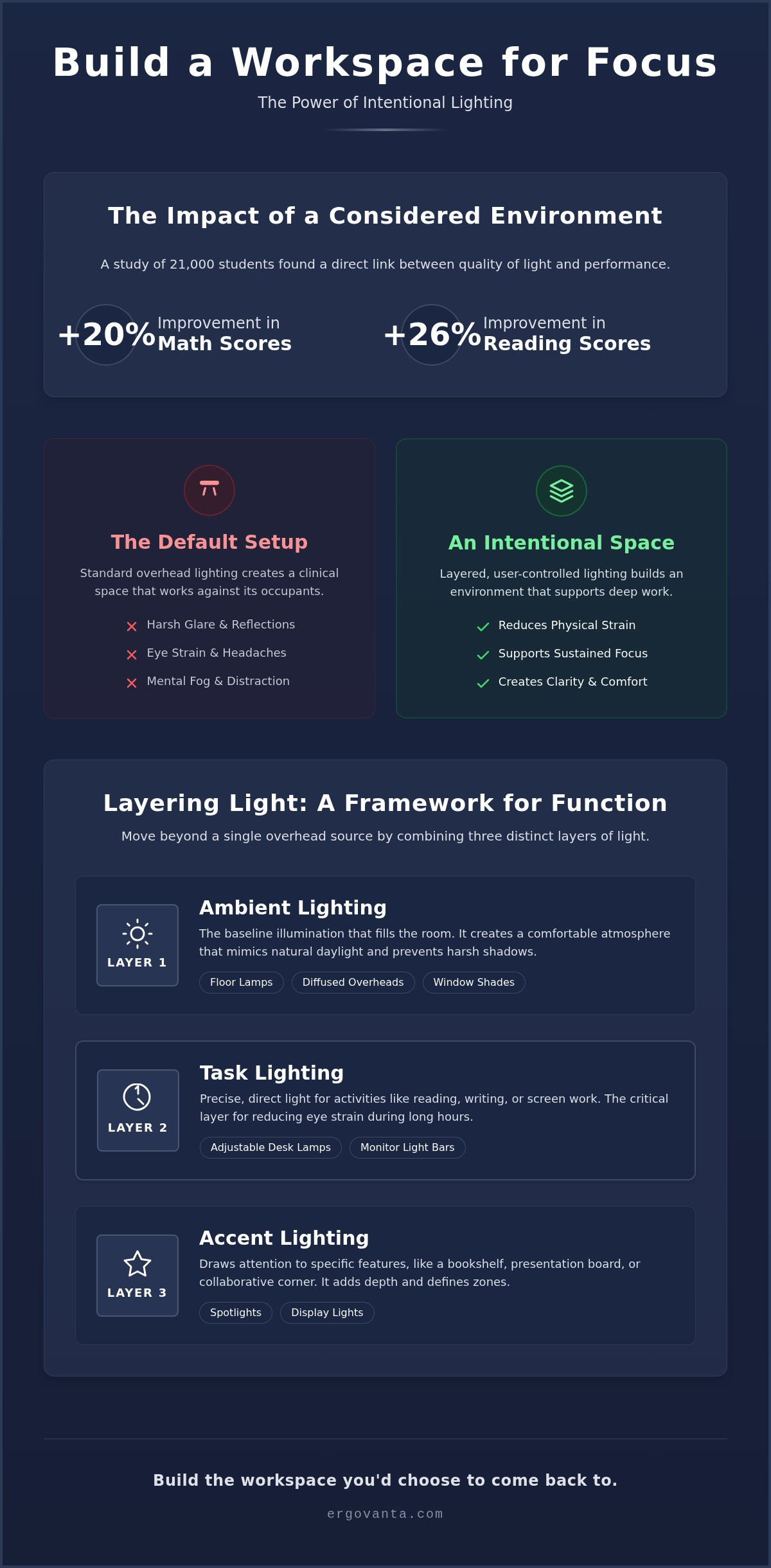
A study of 21,000 students found that classrooms with maximum daylight exposure saw test scores improve by as much as 20% in math and 26% in reading. It's a striking figure that confirms a simple truth: the workspace shapes the work. Equip it deliberately. Yet, most learning spaces remain trapped under flickering fluorescent tubes and harsh glares that trigger headaches before lunch. If you're looking for classroom lighting ideas to fix a space that feels clinical and uninviting, you aren't just decorating a room. You're building a tool for concentration.
We agree that a classroom should feel like a place where people actually want to spend time. You deserve a setup that reduces eye strain during long hours and eliminates the distractions of poor visibility. This article shows you how to equip a learning environment with intentional lighting that supports the specific work being done. We'll cover everything from layering light with desk lamps to using monitor light bars for screen clarity, helping you create a considered workspace that feels personal, functional, and ready for use.
Key Takeaways
- Lighting is a foundational tool for the work being done. Move beyond clinical overhead tubes to build a space that supports focus and reduces physical strain.
- Implement effective classroom lighting ideas by layering ambient, task, and accent sources to create a flexible environment for different activities.
- Equip your workspace with intentional tools like desk lamps and monitor light bars that are built for long hours and earn their place on the desk.
- Create distinct zones for different tasks using light rather than physical barriers to help students transition between focused study and collaboration.
- Build a learning environment you would choose to come back to by prioritizing personal ownership and intentional function in every corner of the room.
The Impact of Lighting on the Learning Workspace
The workspace shapes the work. Equip it deliberately. Lighting isn't an afterthought or a decorative flourish; it's a foundational tool for any learning environment. Most classrooms are built around a single, aggressive light source: the overhead fluorescent tube. These fixtures create a clinical atmosphere that feels more like an industrial warehouse than a sanctuary of productivity. When the lighting feels uninviting, the space feels temporary. It creates a sense of friction that works against the people in the room rather than supporting them.
Addressing the Overhead Light Problem
Standard classroom lighting is often "loud" without being useful. It provides flat, high-glare illumination that washes out contrast and bounces off whiteboards, making it harder to process information. We often confuse "bright" with "functional," but for deep focus, excessive brightness is a distraction. Poorly equipped spaces rely on outdated standards that lead to eye fatigue and physical discomfort. Researching light in school buildings shows that visual performance is tied to the quality of the light, not just the raw intensity of the bulbs. To fix this, you must identify the specific needs of the desks and work surfaces rather than settling for the default ceiling glow.
Lighting as a Tool for Focus
Intentional lighting acts as a silent cue for the brain. It signals when it's time to hunker down for a difficult task or when it's time to collaborate. When you move away from standard overheads and incorporate varied classroom lighting ideas, you reduce the friction of the environment. If you spend eight hours at a desk, you know exactly how poor lighting feels. It's the squinting, the neck tension, and the mental fog that sets in by mid-afternoon. Equipping the room with considered lighting tools isn't about status; it's about making the room usable for the people who do the work.
The goal is to build a workspace you'd choose to come back to. This requires a shift in mindset. Treat the classroom as a professional workspace. Every object in the room should earn its place by supporting the person using it. By layering your light sources, you create a space that feels personal and intentional, allowing for a level of focus that a clinical, one-size-fits-all room simply can't provide. It's about building a room that gets used, not just a room that exists.
Layering Light: A Framework for Intentional Spaces
The workspace shapes the work. Equip it deliberately. Building a functional room requires more than just flipping a switch. Layering light is the intentional use of multiple sources to serve different purposes. A single light source is never enough for a productive room; it creates shadows and flat spots that drain energy. When exploring classroom lighting ideas, think of your space in three layers: ambient, task, and accent. This approach allows you to balance natural light with artificial sources throughout the day, ensuring the room adapts to the work being done.
Layer 1: Ambient Lighting for Atmosphere
Ambient light is your baseline. In many classrooms, this is the job of the overhead fluorescent tubes. However, you can create a much more considered baseline by using floor lamps to bounce light off the ceiling. This technique provides a softer feel that mimics natural daylight. Managing window light is also crucial. During peak hours, glare on screens becomes a barrier. Use shades to filter natural light while maintaining visibility. This baseline should provide clarity without the clinical harshness that causes fatigue.
Layer 2: Task Lighting for Direct Work
Task lighting is where the real work happens. Equip individual desks or shared tables with dedicated lamps for reading and writing. This is about precision. The importance of adjustable arms cannot be overstated; they allow the user to direct illumination exactly where it is needed. By providing enough task light, you reduce the need for high-intensity overheads. This helps students focus on their immediate task without the mental fog of a fully lit room. According to the Department of Energy classroom lighting studies, having control over light intensity can significantly impact the usability of a learning space.
Layer 3: Accent Lighting for Ownership
The final layer is about defining the room. Use light to highlight specific areas like libraries, project zones, or art displays. These are the small objects that earn their place. Accent lighting helps a shared environment feel like a collection of intentional spaces rather than one big, anonymous box. It creates a sense of personal ownership. When students feel like a corner of the room belongs to them, they are more likely to use it effectively. If you are looking for specific classroom lighting ideas to build your workspace, you can reach out to our team for guidance on equipping your room.
Essential Lighting Tools for the Modern Classroom
The workspace shapes the work. Equip it deliberately. When searching for functional classroom lighting ideas, don't look for temporary decor or fragile objects. You need tools made for the work. There is a significant difference between home decor lamps and functional workspace lighting. One is designed to look good on a shelf; the other is designed to support the person using it for eight hours a day. Focus on the rooms that get used. Choose equipment that earns its place through durability and intentionality.
Desk Lamps and Adjustable Task Lights
Every individual workspace needs a dedicated light source. Relying solely on shared overheads is a recipe for eye strain and physical tension. When selecting tools, look for features like dimming capabilities and adjustable necks. A lamp should adapt to the user, not the other way around. Ergovanta lamps are designed as intentional tools for people who spend serious hours at a desk. They provide consistent, flicker-free illumination that helps the brain signal it's time for focused work.
Monitor Light Bars for Screen-Based Learning
Laptops and tablets introduce a specific type of friction: screen glare. This glare makes it harder to process information and leads to the mental fog often felt by mid-afternoon. A monitor light bar solves this by providing focused illumination directly on the desk surface without bouncing off the screen. It's a considered choice that saves valuable desk space while equipping the digital workspace for long-term eye comfort. It's a small object, but it earns its place by making screen-based tasks feel less draining.
Floor Lamps for Indirect Illumination
If you can't turn off the overhead fluorescents, you can at least balance them. Using floor lighting allows you to bounce light off the ceiling and walls, creating a softer baseline for the entire room. Position these lamps in corners to widen the perceived space and eliminate dark pockets that make a room feel cramped. Choose materials like metal or wood that fit a minimalist, considered aesthetic. This isn't just about aesthetics; research on lighting in higher education suggests that student perception of comfort is tied to how light is distributed across these surfaces. By choosing tools built to last, you ensure the room remains a sanctuary of productivity for the long haul.
Setting Up Lighting Zones for Different Tasks
The workspace shapes the work. Equip it deliberately. A modern classroom isn't a single-purpose room. It's a hybrid space where people switch from digital research to physical writing. Instead of using physical barriers like dividers, use classroom lighting ideas to define functional zones. This allows the room to adapt as the work changes throughout the day. By treating light as a structural element, you create a space that feels personal and intentional rather than anonymous. This layout ensures that every corner of the room has a purpose and that the people using it feel a sense of ownership over their environment.
The Deep Focus Zone
Deep work requires a specific environment. For high-concentration tasks like testing or drafting, use cooler, brighter light. This isn't about clinical intensity; it's about clarity. Position task lamps to create a "bubble" of focus around the desk. Directed illumination minimizes visual distractions, helping the brain stay locked on the task. It's a simple way to signal that it's time for individual output. These are the small objects that earn their place by supporting the person doing the work. When the light is directed exactly where it's needed, the rest of the room fades into the background, allowing for true concentration.
The Collaborative and Group Zone
When the work shifts to discussion, the light should follow. Use warmer, more diffused light to create a welcoming atmosphere. Floor lamps are excellent for this; they bounce light off the walls to make the space feel less formal. Even light distribution ensures everyone in the group has visibility without the harsh shadows that overheads often cast. This setup encourages sharing and collective problem-solving. It transforms a room from a storage space for people into a tool for collaboration. Transitioning between these zones can be as simple as switching from a desk lamp to a floor lamp, signaling a change in the room's purpose.
The Quiet and Reading Zone
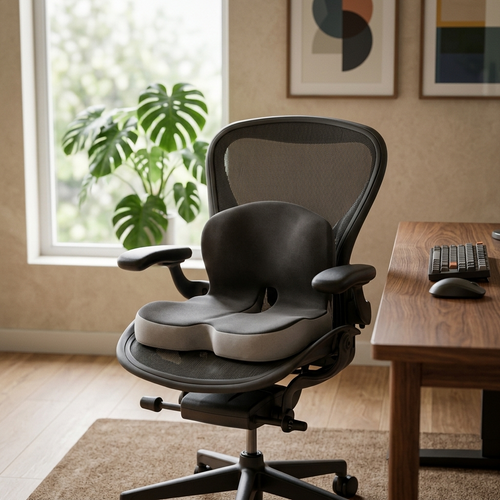
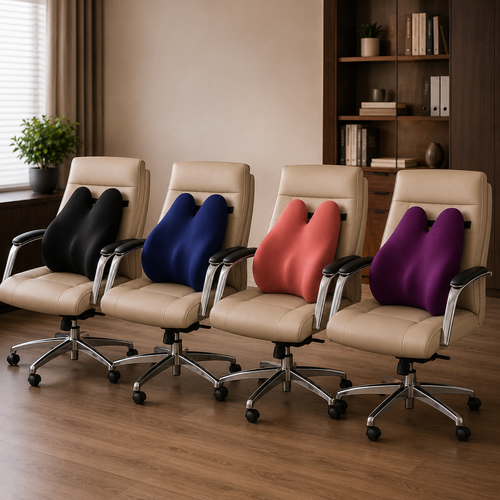
Every workspace needs a place to slow down. For reading or reflection, use soft, warm light that defines the boundaries of the zone. Small accent lights can mark these areas as distinct from the rest of the room. Equip this space with ergonomic comfort items like seat cushions or lumbar pillows to match the relaxed lighting. This intentionality ensures the room remains functional for every part of the day. Using smart classroom lighting ideas means you don't have to choose between focus and comfort; you can build a room that provides both. It's about creating a space you actually choose to come back to because it supports the way you feel during the work.
Equip Your Learning Environment with Intentionality
The workspace shapes the work. Equip it deliberately. Your classroom or study area is a sanctuary of productivity. It's the room where serious hours are spent and where the foundation for future work is built. Don't let it feel like a clinical afterthought or a space you merely tolerate. While a full renovation might be out of reach, light is the most manageable way to change how a room feels. It is a tool you can control immediately. By implementing intentional classroom lighting ideas, you take ownership of the environment rather than letting the architecture dictate your comfort.
Making the Transition
Building a considered environment takes time. Don't feel overwhelmed by the need for a total overhaul. Start with an audit of your current space. Identify the points of friction: where do people squint to see a screen? Which desks are left in the shadows of overhead fixtures? Prioritize the areas where the most intense work happens first. You might start with one small object that earns its place, such as a monitor light bar for a computer station or a dedicated task lamp for a reading nook. When you choose equipment that reflects the purpose of the space, you ensure every addition is functional. This isn't about filling a room with objects; it's about equipping it for the people who use it.
The Ergovanta Advantage
At Ergovanta, we operate on the belief that your environment is a direct reflection of the work you intend to do. Our name stems from the Ancient Greek "ergon," meaning purposeful function, and "vanta," representing the advantage that comes from a well-built setup. Our tools are made for the people who do the work. We focus on the small objects that earn their place and the rooms that actually get used. We don't believe in one-size-fits-all solutions or clinical metrics that ignore how you actually feel at your desk.
Building a space you choose to come back to every day is a process of personal ownership. It's about intentionality. Whether you are managing a large shared classroom or a personal study corner, the goal is to create a setting that supports focus rather than draining it. Light is the foundational element of that support. It is the silent cue that tells the brain it's time to begin. Explore our full lighting collection to start building your space one considered layer at a time. Equip your room for the work that matters.
Build a Space Made for the Work
The workspace shapes the work. Equip it deliberately. By implementing intentional classroom lighting ideas, you move past the clinical feel of overhead tubes and build a room that supports actual focus. You now have the framework to layer ambient, task, and accent light to create a flexible environment. You also know how specific tools, like monitor light bars, solve the physical friction of screen glare and eye strain.
Every piece we offer is designed for purposeful function with minimalist aesthetics that earn their place. We provide national shipping for all educators and students, ensuring you can equip your learning environment with tools that last. Don't settle for a space that feels anonymous. Start with one small, considered object and build a workspace you choose to come back to every day.
The rooms that get used are the ones built with personal ownership. Your workspace is a sanctuary for productivity; treat it with the intentionality it deserves.
Frequently Asked Questions
How do I stop fluorescent lights from giving me headaches in the classroom?
Balance the overhead light with layered sources to reduce the physical strain of harsh fluorescents. Use floor lamps to bounce light off the ceiling and walls, creating a softer, indirect glow. Adding individual task lamps to desks provides focused illumination, allowing you to dim or turn off the primary overhead fixtures. This reduces the invisible flicker and sharp glare that typically trigger headaches during long study or work sessions.
What is the best light temperature for a learning environment?
Opt for a cooler temperature, around 4000K to 5000K, during periods of high concentration to mimic natural daylight. This range helps the brain stay alert for testing or deep research. For collaborative work or reading, switch to warmer tones around 2700K to 3000K. These warmer temperatures create a calmer, less clinical atmosphere, making the room feel like a considered space you would choose to come back to.
Can I use desk lamps if my classroom has limited power outlets?
Yes, you can equip your space with battery-powered or USB-rechargeable lamps to bypass outlet limitations. Another option is using a monitor light bar that draws power directly from a laptop or monitor's USB port. These tools allow you to implement intentional classroom lighting ideas without needing a full electrical overhaul or messy extension cables, keeping your workspace organized and functional for the people who do the work.
How do I reduce glare on computer screens in a bright classroom?
Position your screen perpendicular to windows to avoid direct sunlight reflection on the glass. If overhead lights are the issue, a monitor light bar is a specific tool made for this work. It clips to the top of your screen and directs light downward onto your documents rather than onto the monitor. This eliminates the washout effect and reduces the physical discomfort of squinting at a high-glare display.
What are the most important lighting zones to have in a classroom?
Prioritize three distinct zones: a deep focus zone, a collaborative zone, and a quiet reading zone. The focus zone needs bright, directed task lighting to minimize distractions. The collaborative zone benefits from diffused ambient light that covers group tables evenly. Finally, the reading zone should use soft accent lighting to define its boundaries. Defining these zones through light helps you transition between different types of tasks without needing physical walls.
Are floor lamps safe to use in a busy classroom environment?
Floor lamps are safe when positioned in corners or along walls where foot traffic is minimal. Choose models with weighted bases to prevent tipping and use cable management tools to secure cords to the floor or baseboards. These lamps are foundational for changing the room's feel; they replace the clinical glare of overheads with a softer baseline of light that makes the entire workspace feel more personal and intentional.
How can I improve my classroom lighting on a small budget?
Start with one small object that earns its place rather than attempting a total overhaul. Adding a single, well-placed desk lamp to a high-use area can significantly change the usability of that corner. You don't need to replace every fixture at once. Focus on building your space over time by prioritizing the areas where the most intense work happens. Small adjustments to how you use natural classroom lighting ideas can improve the room's functionality.
What is a monitor light bar and do I need one for my desk?
A monitor light bar is a compact fixture that sits atop your screen to illuminate your workspace without causing glare. It is a considered tool for anyone who spends serious hours at a digital desk. You need one if you struggle with screen reflections or if you have limited desk space for a traditional lamp. It provides a bubble of focus that supports screen-based learning while reducing the mental fog caused by eye fatigue.
Disclaimer
Ergovanta publishes these guides to help people set up better workspaces. Product recommendations reflect what we sell. Specifications, prices and availability are accurate at the time of writing and may change. Nothing here is medical, ergonomic or professional advice; if you have a specific health concern about your workstation, speak to a qualified professional.
From the catalog